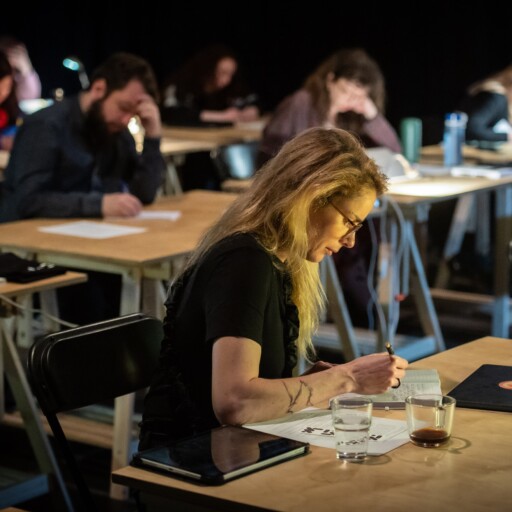
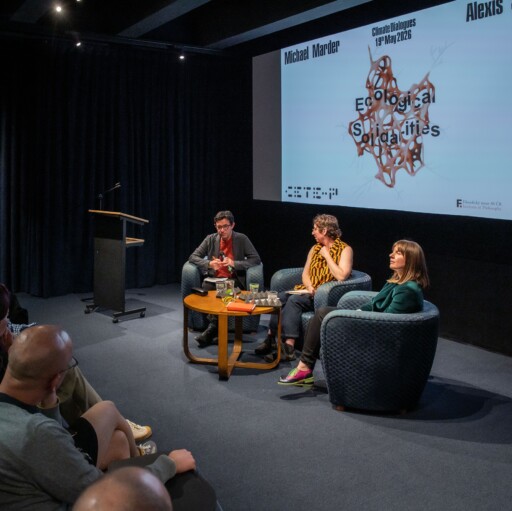
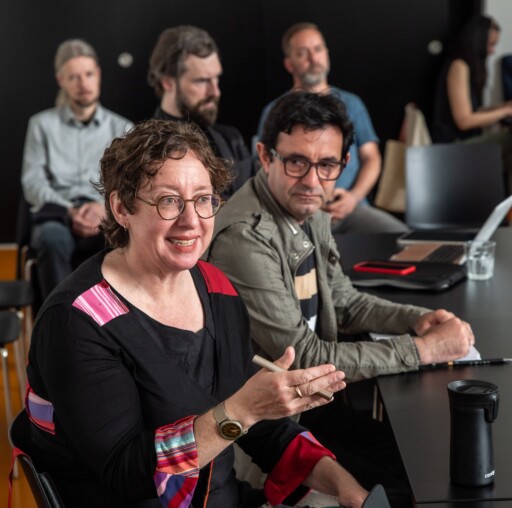
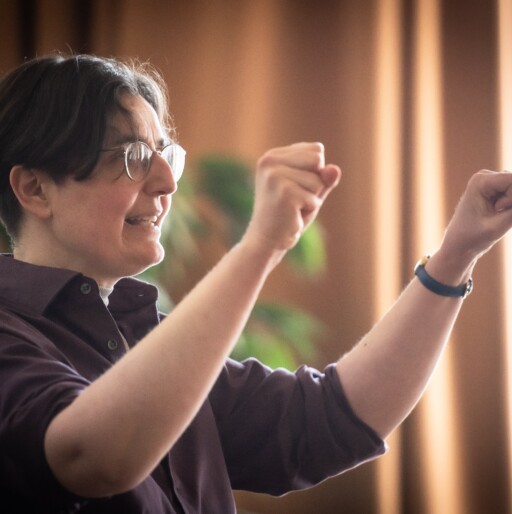
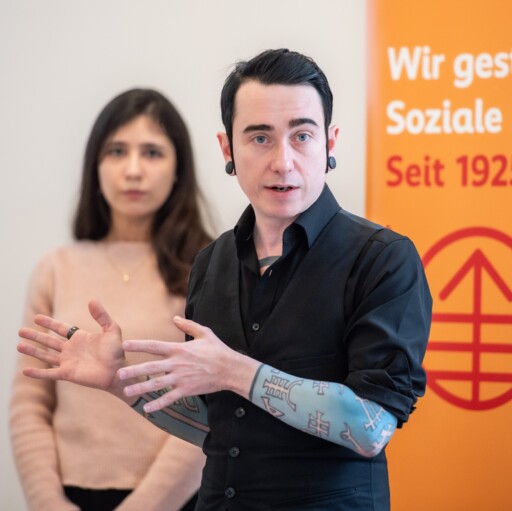
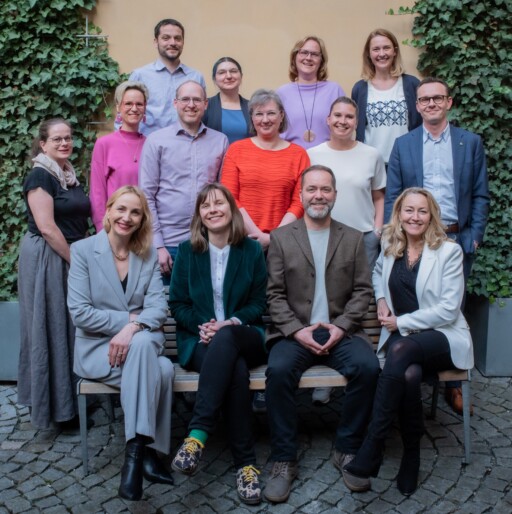
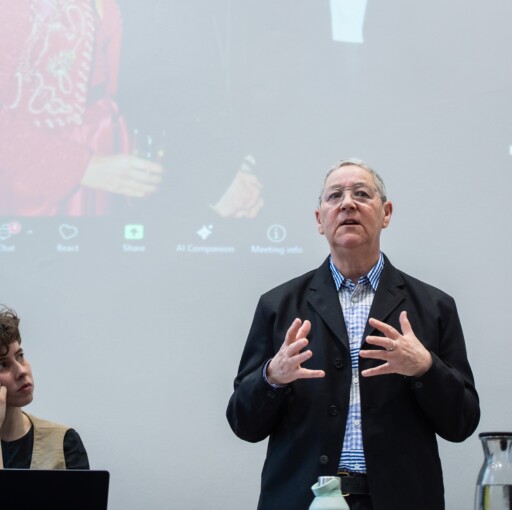
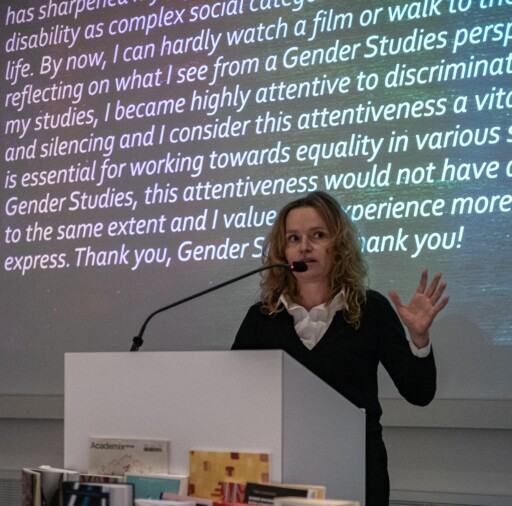
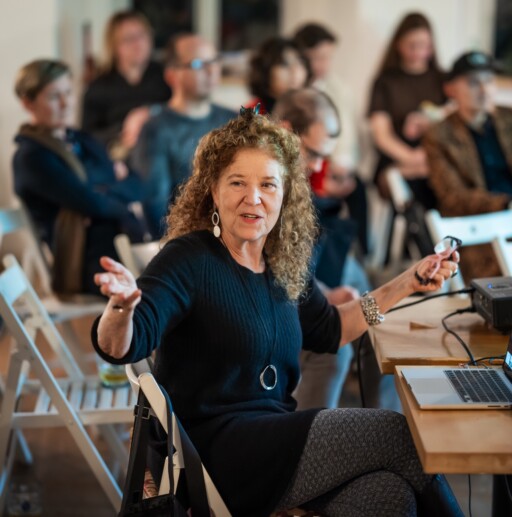
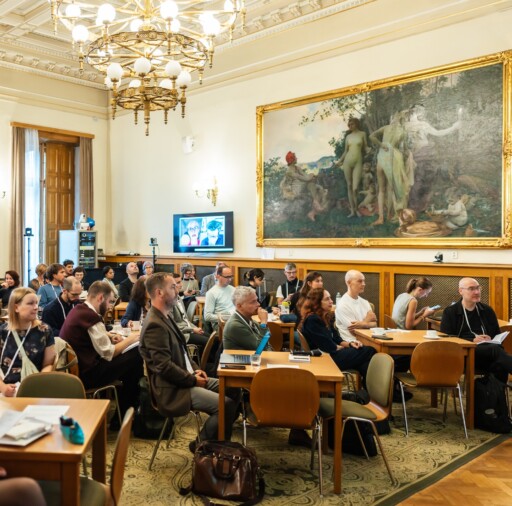
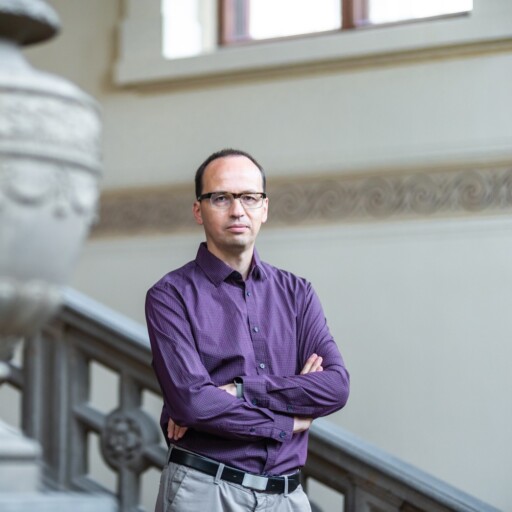
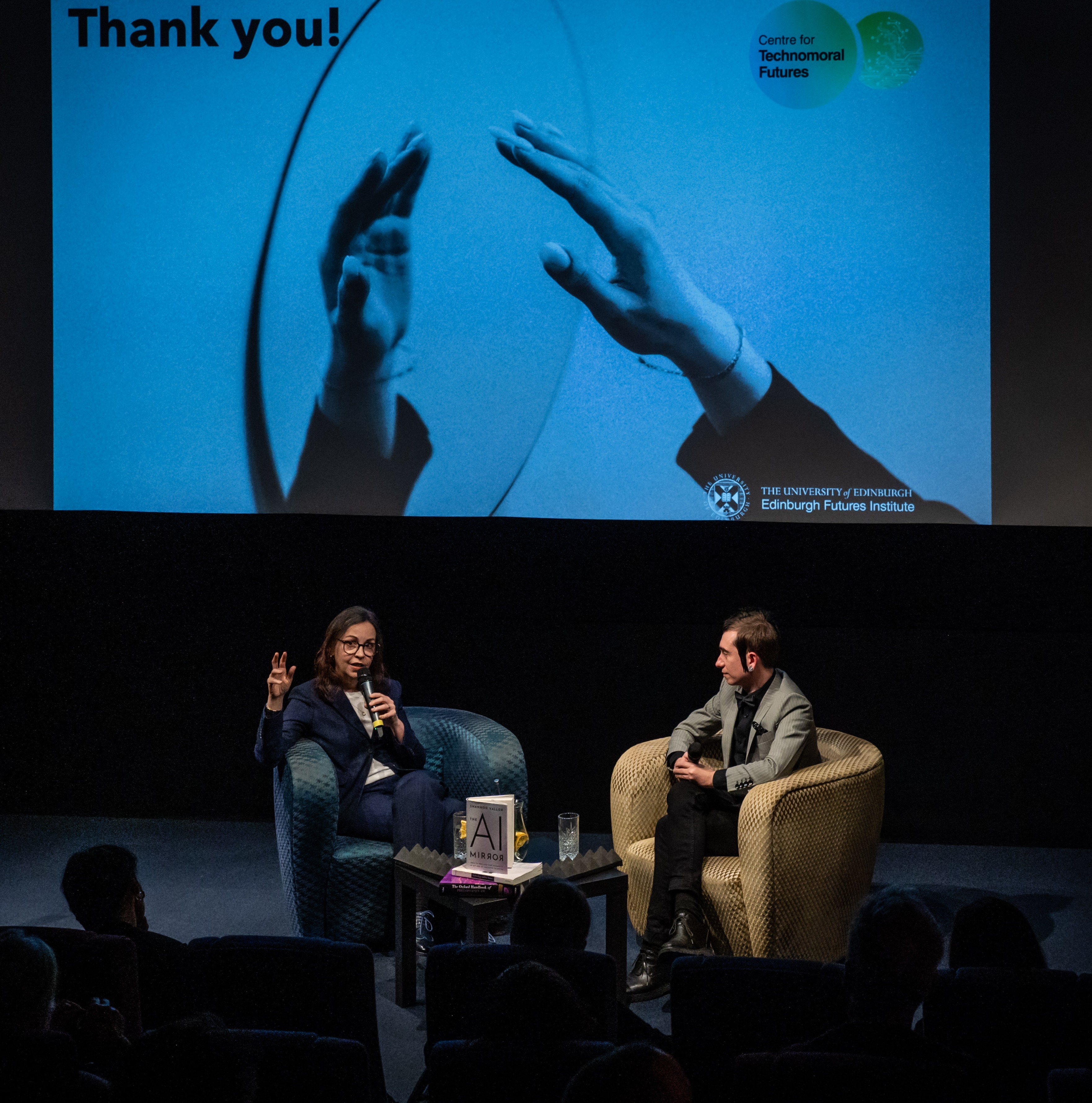
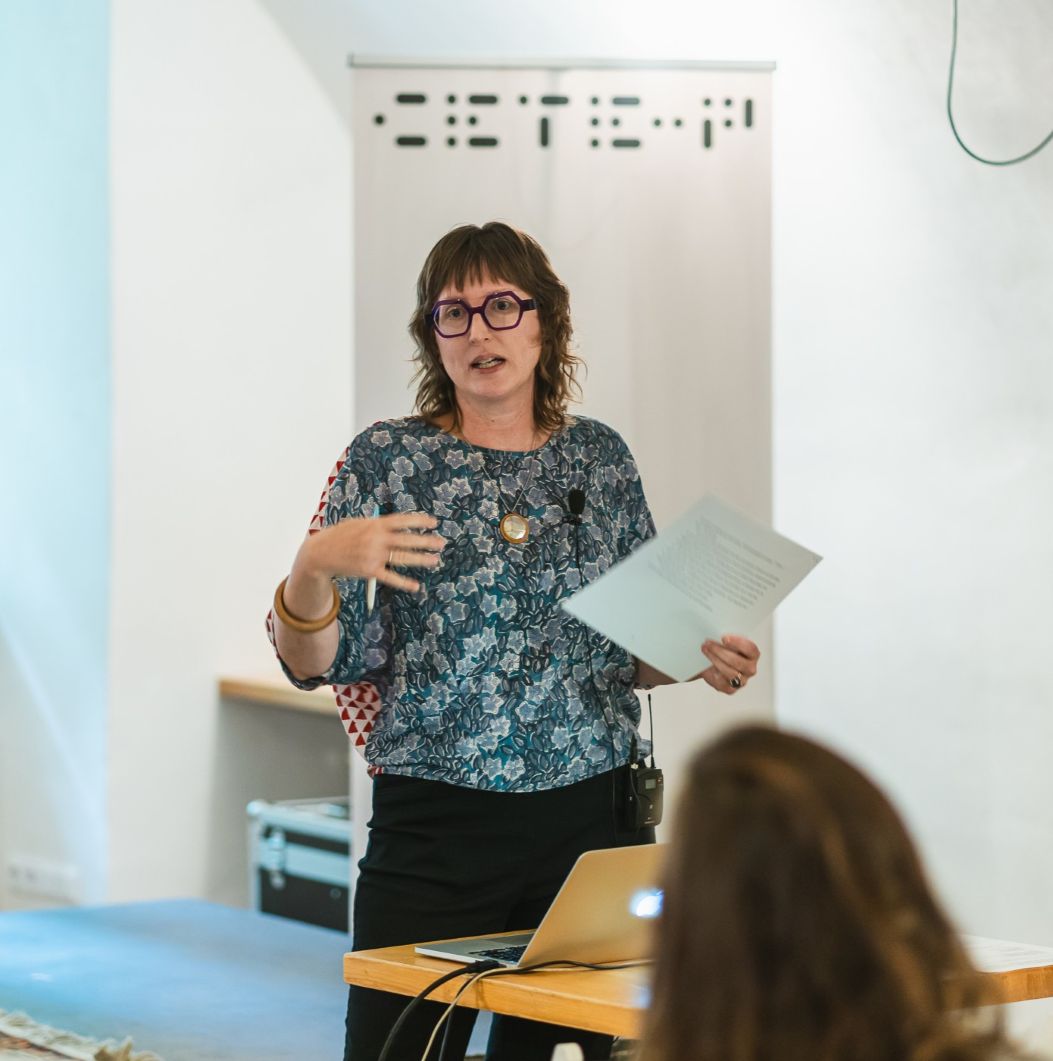
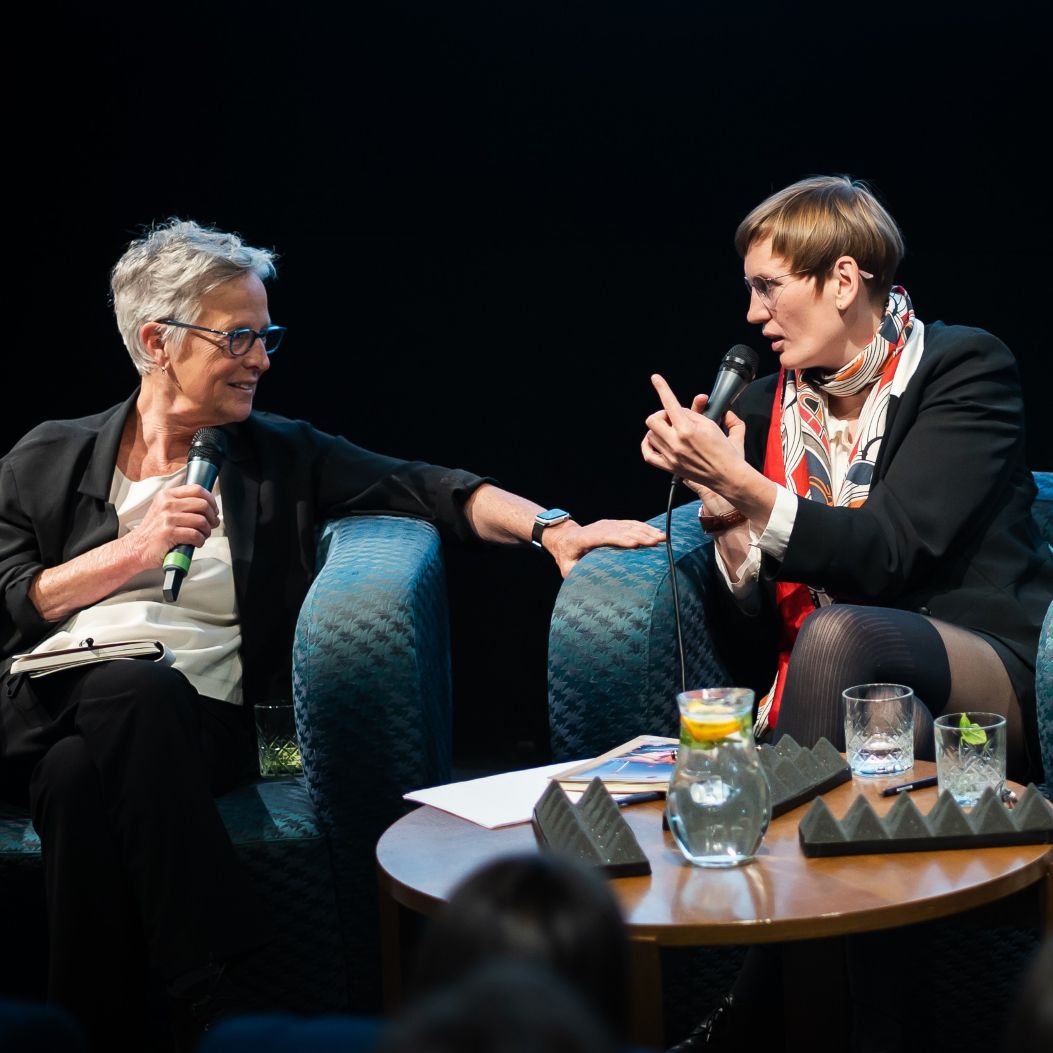
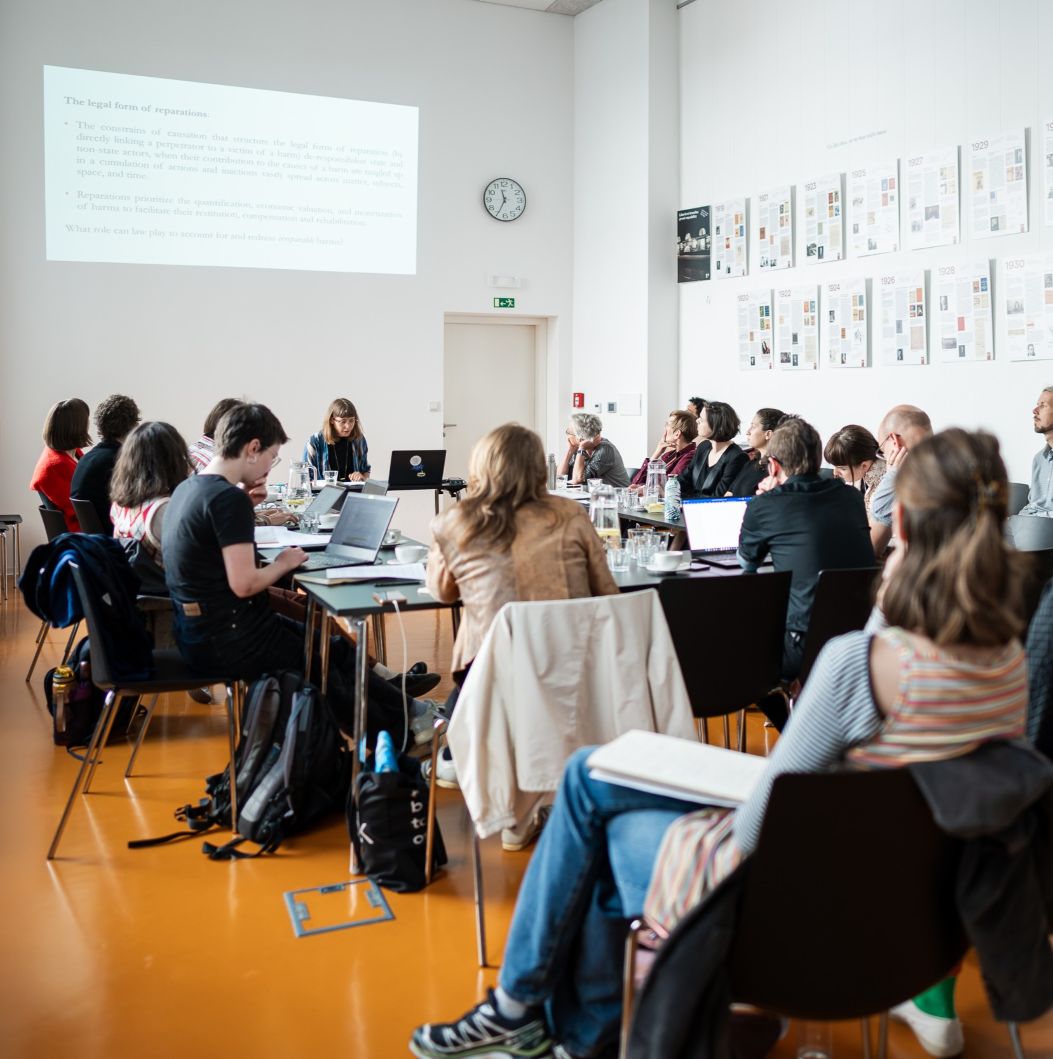
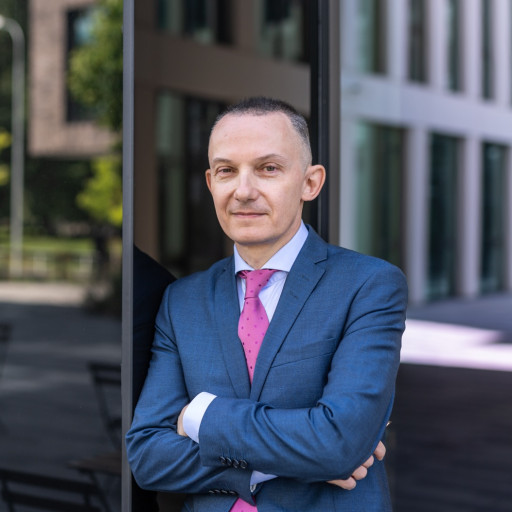
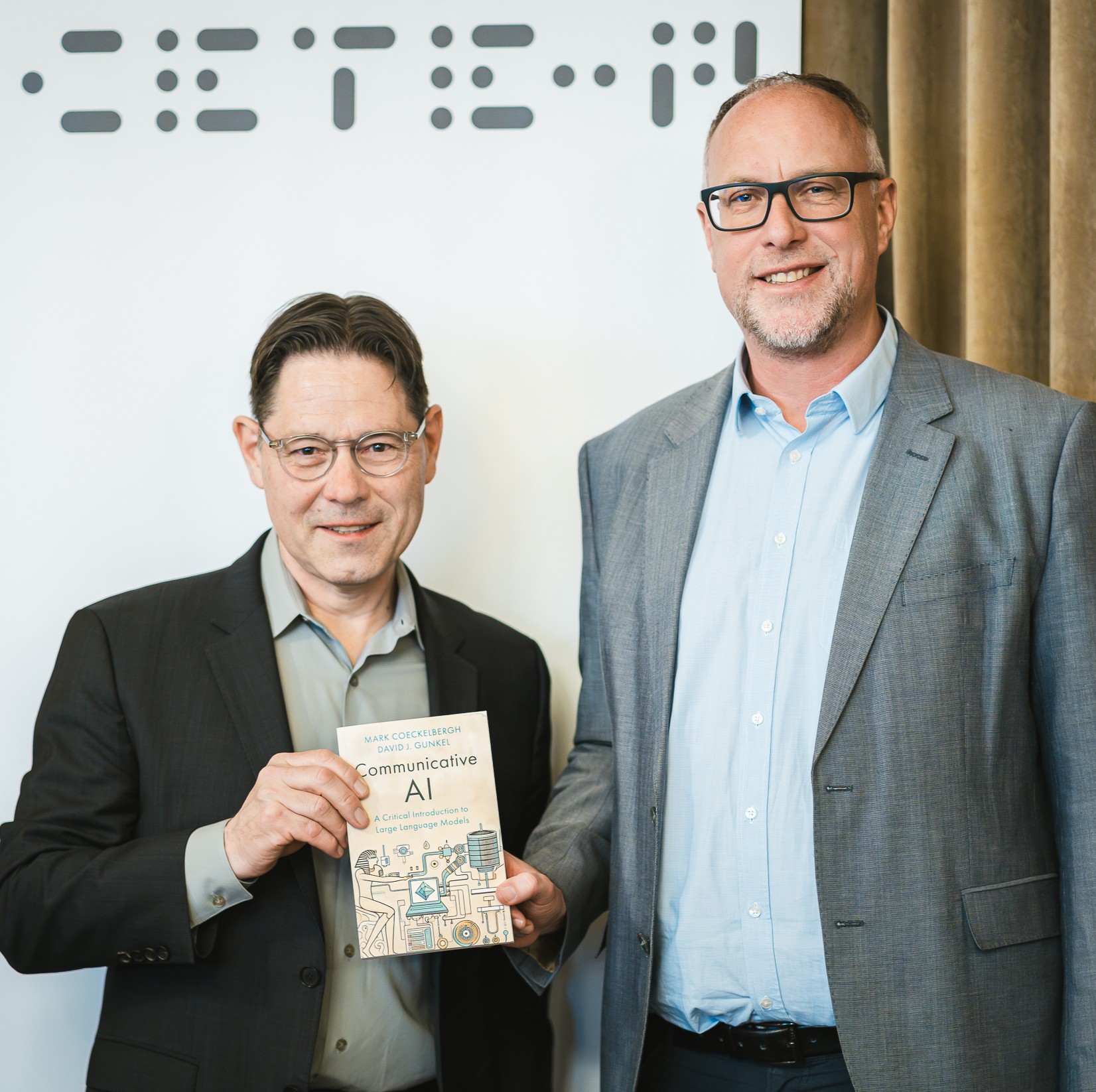
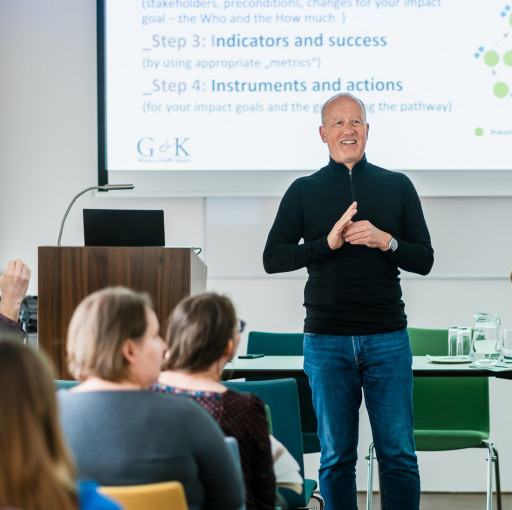
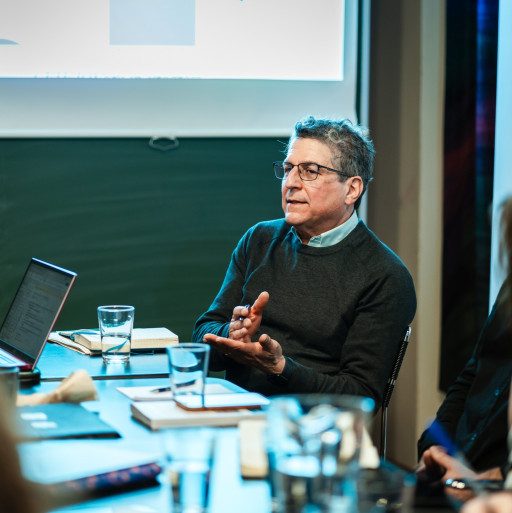
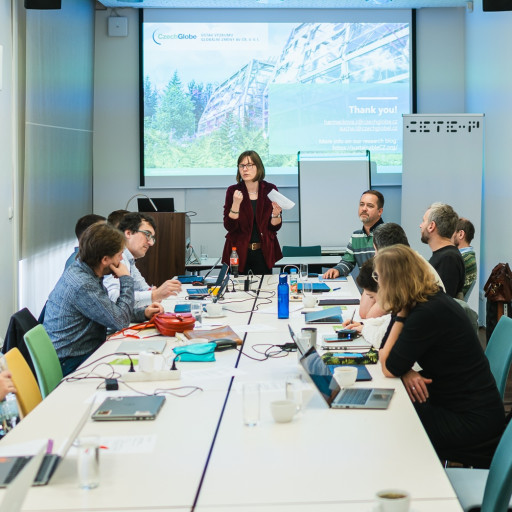
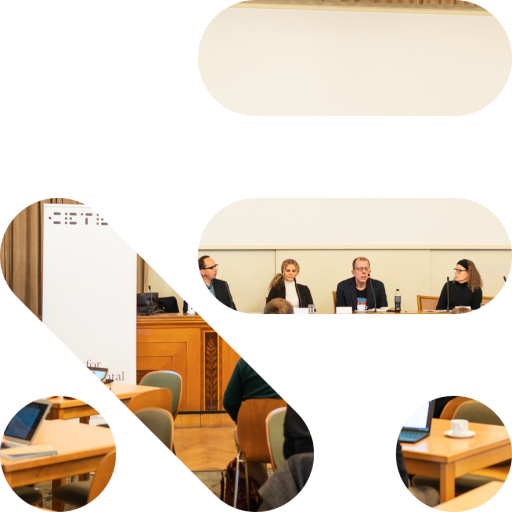
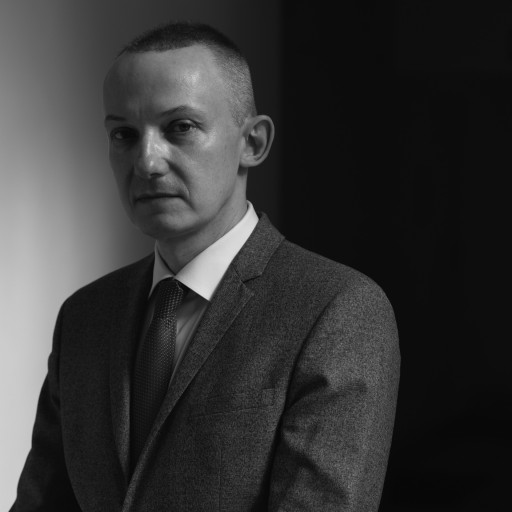
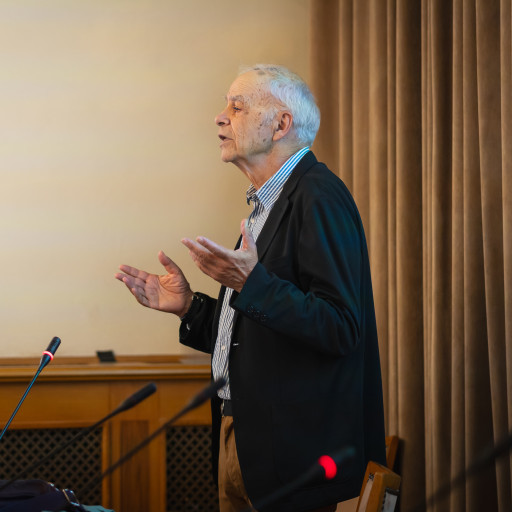
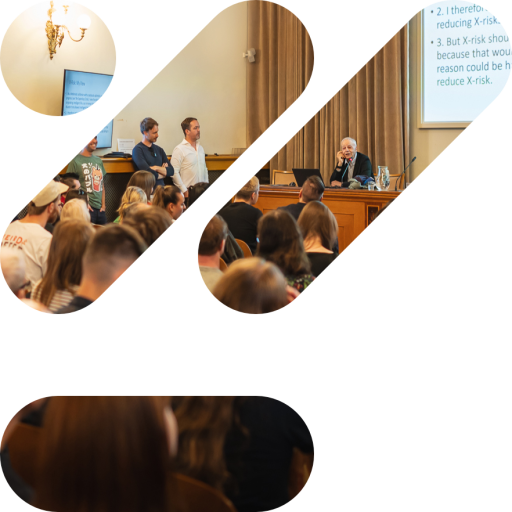
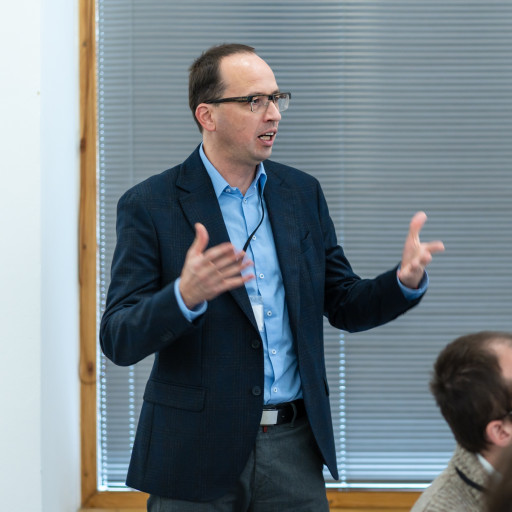
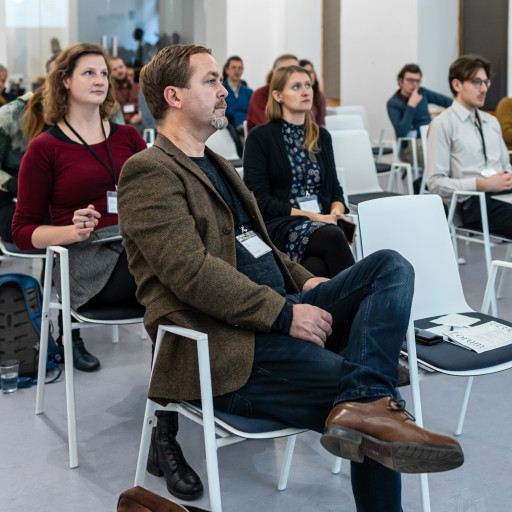
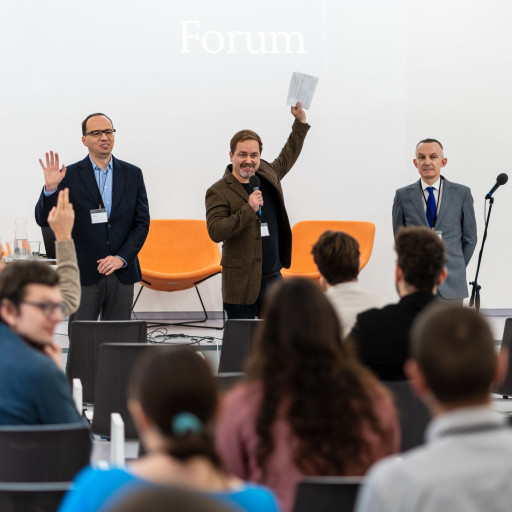
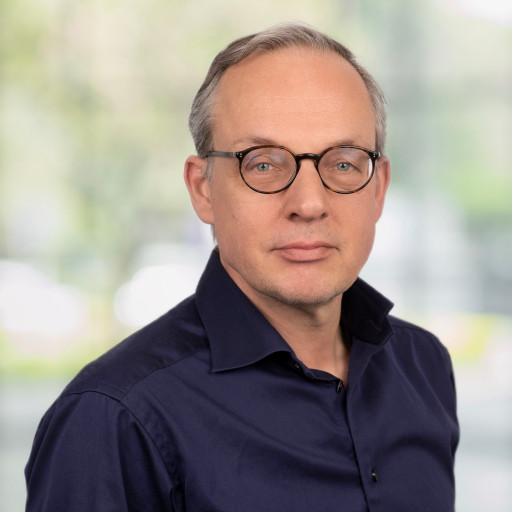
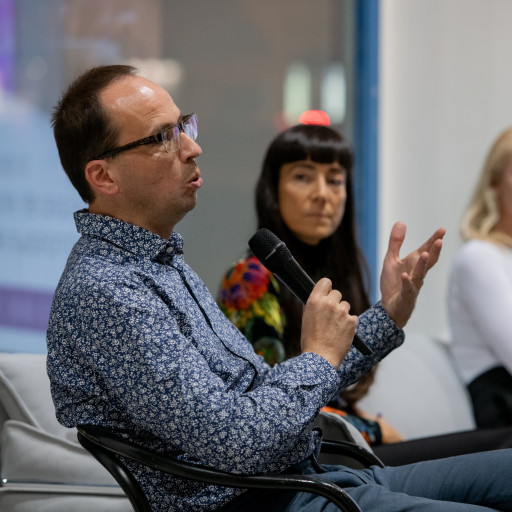
Three days in September 2026, from 21st to 23rd, a workshop entitled Philosophy of AI took place at the Inter-University Center in Dubrovnik, Croatia. The event was put together by Juraj Hvorecký from CETE-P and Jurgis Karpus from Catholic University Eichstatt-Ingolstadt. The event brought together 16 researchers from the Czech Republic, Germany and Croatia to discuss pressing issues of current AI system from a philosophical perspective. While a lot of attention is paid to AI ethics, and the issue had its place in our discussions as well, the emphasis was on other areas of philosophy that witness changes due to major advances of the AI models. We looked at areas of epistemology, metaphysics, but also just war theory, population ethics, issues of control, consciousness and others. Each contribution was accompanied by a sufficiently long time to discuss pertinent issues and the workshop was held in a great collegial atmosphere. From the side of CETE-P, three participants took part in the event. Alongside Juraj, the main organizer, Kateřina Marková and Tuğba Yoldaş also gave presentations and contributed to the success of the workshop. The environs of Dubrovnik and the dramatic history of its Inter-University Center provided an inspiring backdrop to our up-to-date debates. Everyone agreed that the event was both educational and socially enriching and we already contemplate the possibility to hold the event next year again.


The event was organized as part of the project Human-centred AI for a Sustainable and Adaptive Society (HumanAId, reg. no. CZ.02.01.01/00/23_025/0008691), implemented by the Institute of Philosophy CAS. The main objective of the project is to develop methodologies and tools that will enable the potential of large language models (LLMs) to be used in a way that is in line with the value and normative requirements of specific users in civil society and government.
Our thanks goes also to the BAYHOST program that facilitated travels of our German and Croat colleagues.


Three days in September 2026, from 21st to 23rd, a workshop entitled Philosophy of AI took place at the Inter-University Center in Dubrovnik, Croatia. The event was put together by Juraj Hvorecký from CETE-P and Jurgis Karpus from Catholic University Eichstatt-Ingolstadt. The event brought together 16 researchers from the Czech Republic, Germany and Croatia to discuss pressing issues of current AI system from a philosophical perspective. While a lot of attention is paid to AI ethics, and the issue had its place in our discussions as well, the emphasis was on other areas of philosophy that witness changes due to major advances of the AI models. We looked at areas of epistemology, metaphysics, but also just war theory, population ethics, issues of control, consciousness and others. Each contribution was accompanied by a sufficiently long time to discuss pertinent issues and the workshop was held in a great collegial atmosphere. From the side of CETE-P, three participants took part in the event. Alongside Juraj, the main organizer, Kateřina Marková and Tuğba Yoldaş also gave presentations and contributed to the success of the workshop. The environs of Dubrovnik and the dramatic history of its Inter-University Center provided an inspiring backdrop to our up-to-date debates. Everyone agreed that the event was both educational and socially enriching and we already contemplate the possibility to hold the event next year again.

The event was organized as part of the project Human-centred AI for a Sustainable and Adaptive Society (HumanAId, reg. no. CZ.02.01.01/00/23_025/0008691), implemented by the Institute of Philosophy CAS. The main objective of the project is to develop methodologies and tools that will enable the potential of large language models (LLMs) to be used in a way that is in line with the value and normative requirements of specific users in civil society and government.
Our thanks goes also to the BAYHOST program that facilitated travels of our German and Croat colleagues.

•• All News
Celetná 988/38
Prague 1
Czech Republic
This project receives funding from the Horizon EU Framework Programme under Grant Agreement No. 101086898.