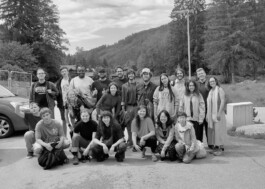
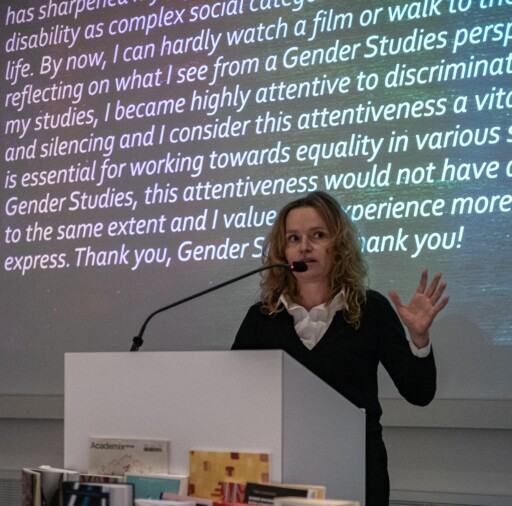
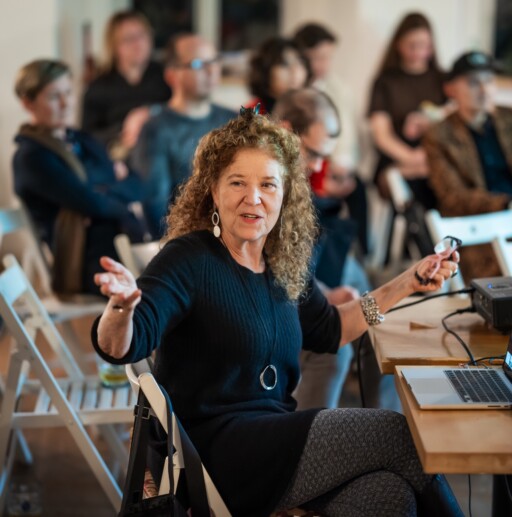
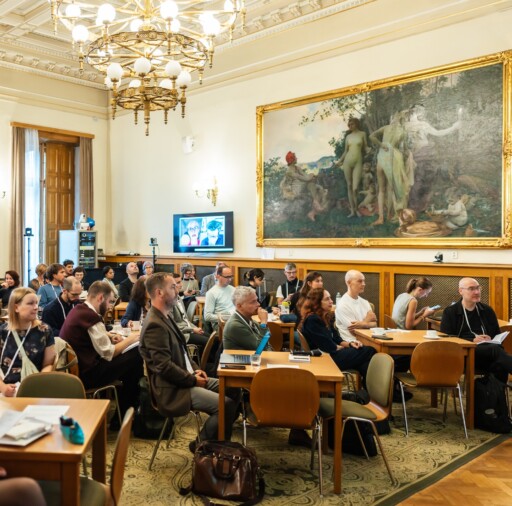
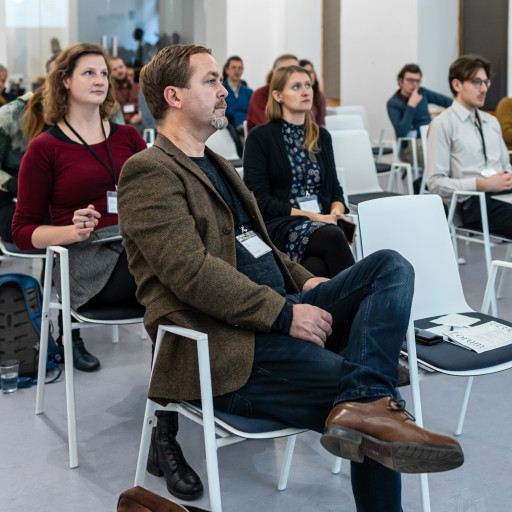
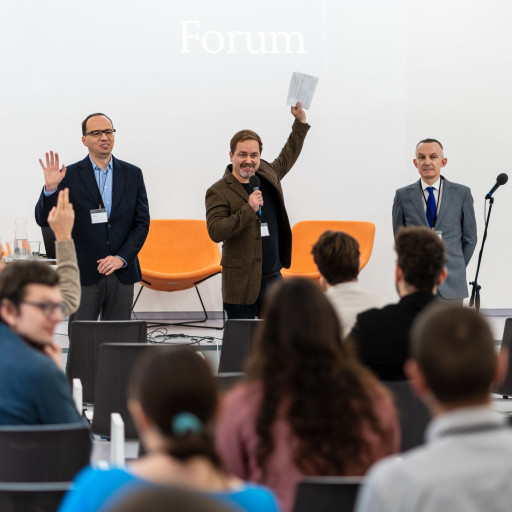
The third Visegrad Environmental Philosophy Summer School (VEPSS) took place from 1 to 7 June 2026 in the Low Tatras National Park in Slovakia. The event was organised by the Department of Philosophy at Matej Bel University in Banská Bystrica and the Center for Environmental and Technology Ethics – Prague (CETE-P). It was co-funded by the Erasmus+ Blended Intensive Programme (BIP), with the consortium consisting of University of Wrocław, the University of Pardubice, Charles University Prague, and Wageningen University; some individual researchers were supported by the International Visegrad Fund.
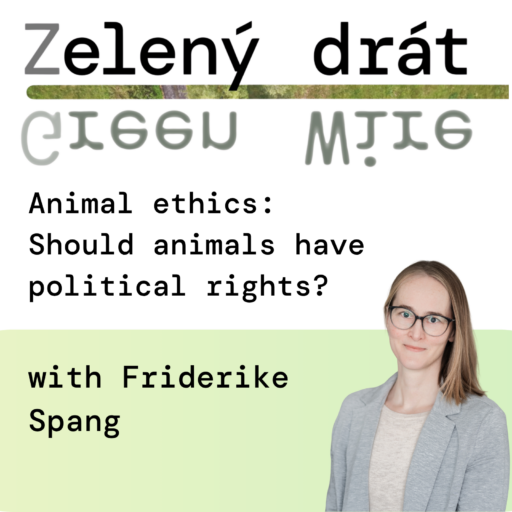
This year’s overarching theme was Ecological Transition: Purity, Politics and (Green) Populism. The on-site programme was preceded by an online workshop led by Friderike Spang (CETE-P), who examined the ethics of vegan activism as an argumentative dimension of ecological transition and explored how well-intentioned efforts to promote change can have unintended consequences.
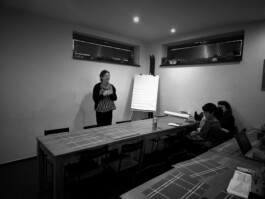
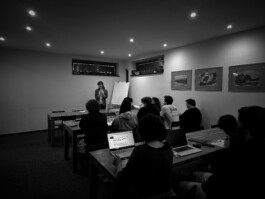
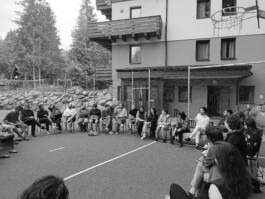
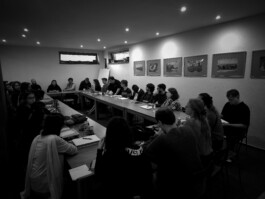
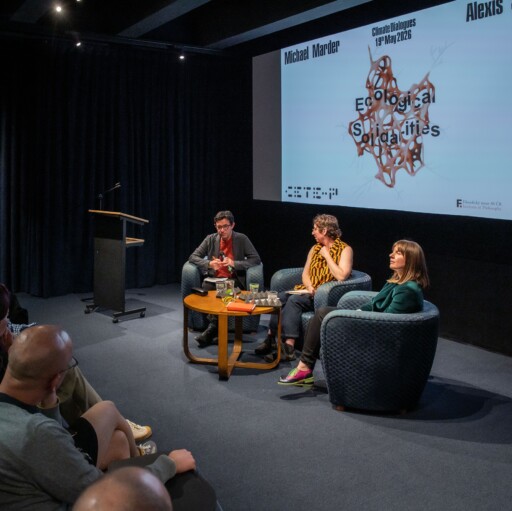
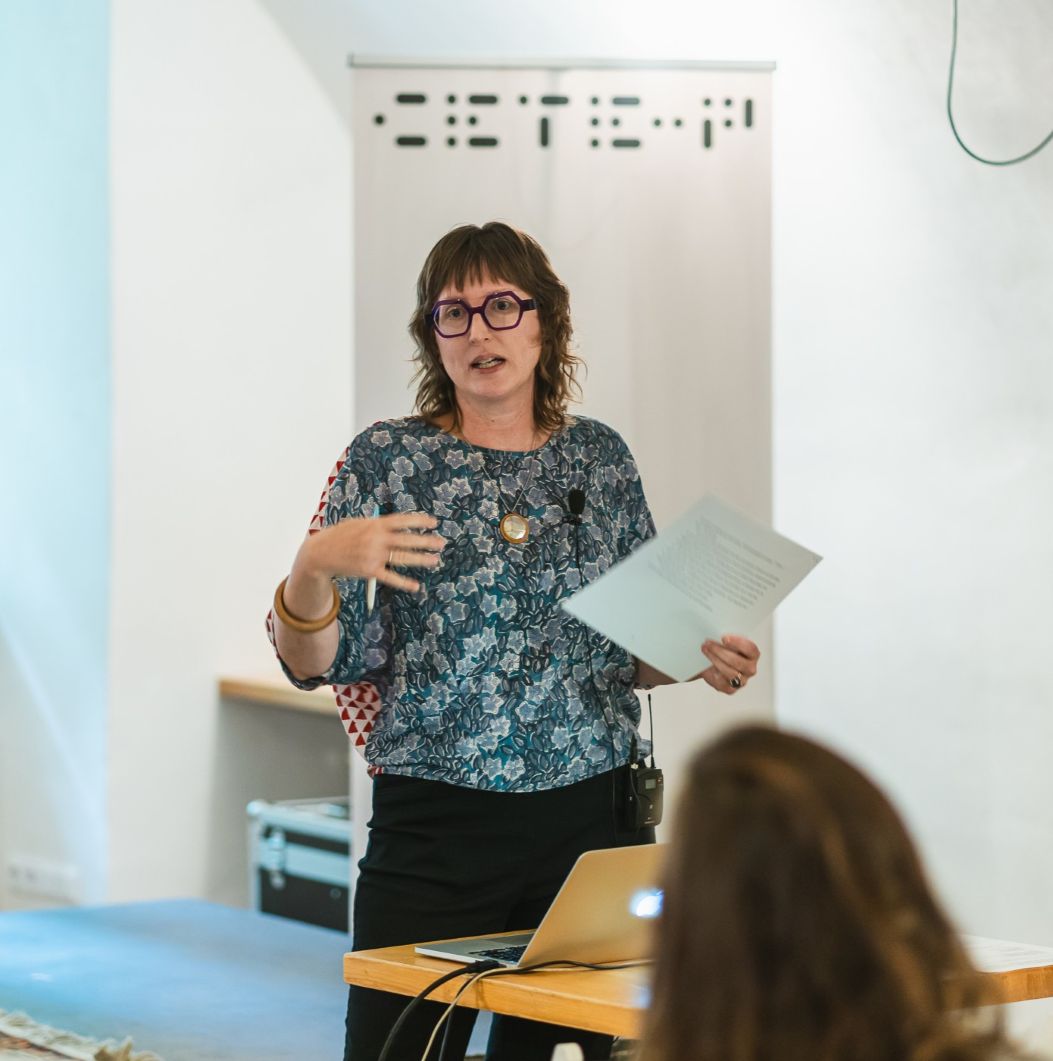
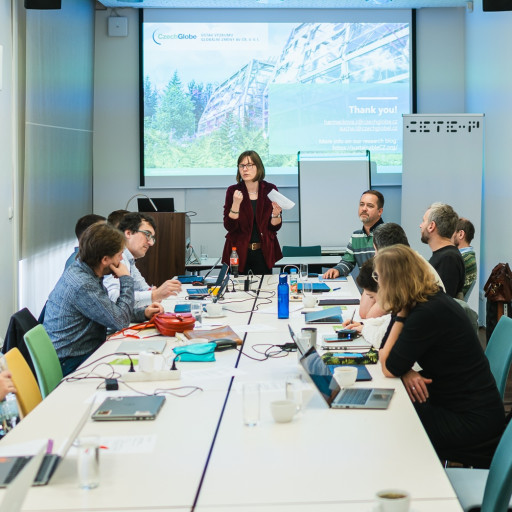
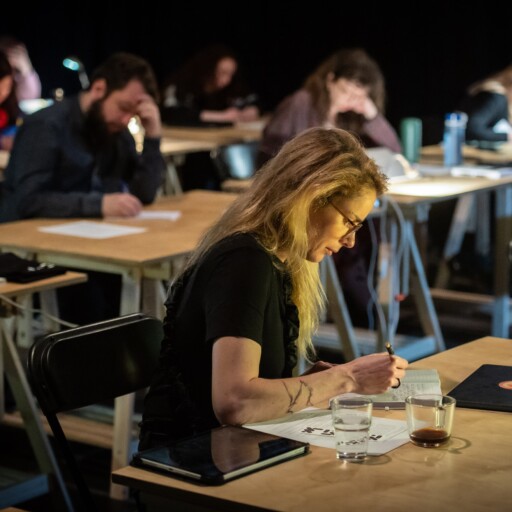
During the school, three masterclasses were delivered by Alexis Shotwell (Carleton University), whose work on climate feelings and the politics of purity set the intellectual tone for the week. Shotwell introduced these themes to students and provoked lively, wide-ranging discussion about how to think about experiencing and approaching ecological transition. On the last day of the summer school, Shotwell also ran a writing workshop aimed at fostering the habit of and enthusiasm for writing in the context of the increasing impact of LLMs and chatbots in academia.
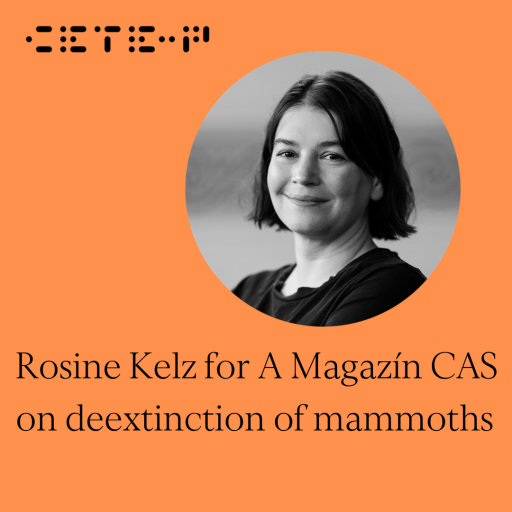
Rosine Kelz (CETE-P) in her seminar focused more specifically on biodiversity loss and ecosystem deterioration in the context of climate change; together with students, she explored how nature conservation and restoration can move forward in the Anthropocene.
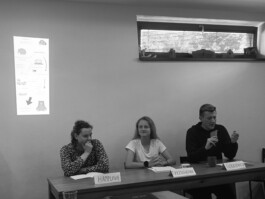
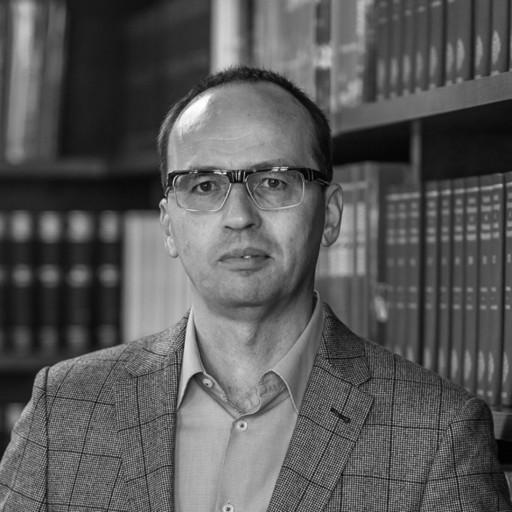
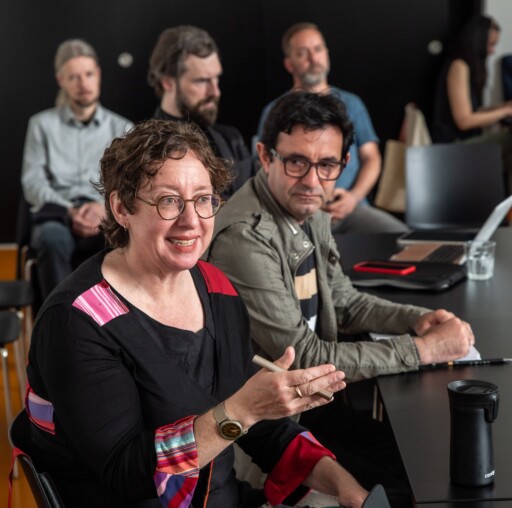
Other sessions addressed the legal personhood of non-human actors, politicisation of non-human animals, political strategies for ecological transition, and the problem of pristine nature, among other topics. Speakers included Urszula Lisowska (University of Wrocław), Michal Kalaš (Matej Bel University), Julia Grillmayr (University of Art and Design Linz), Johannes Kaminski (Slovak Academy of Sciences), and Anthony Fredriksson (University of Pardubice).

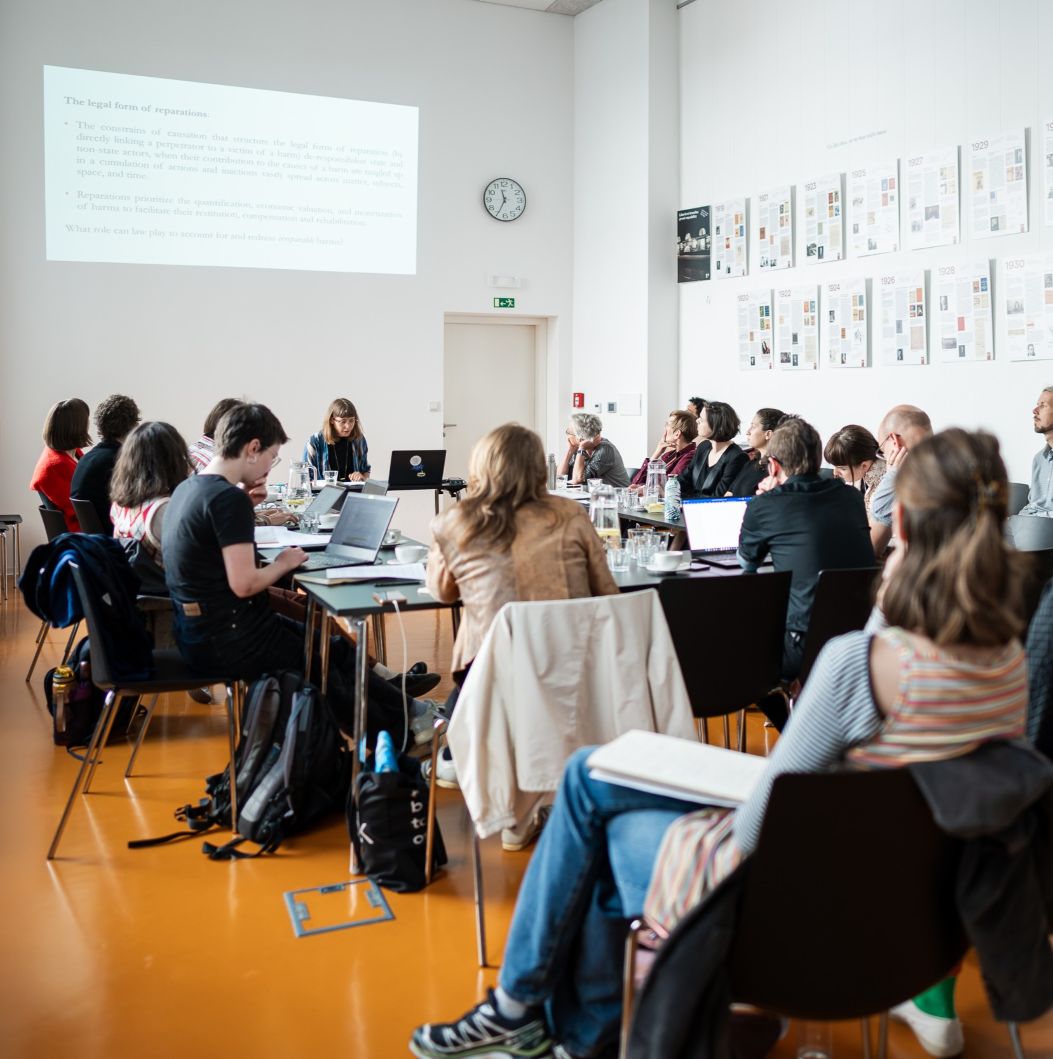
Graduate and undergraduate students received 3 ECTS credits for a group activity linked to the local issue of the politicisation of bears. Students prepared presentations representing different stakeholder perspectives (bears, conservationists, local communities, the state, tourist infrastructure, and future generations) and discussed possible solutions, drawing on the theories introduced throughout the summer school.
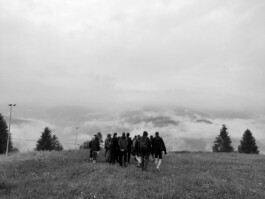
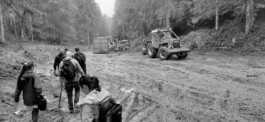
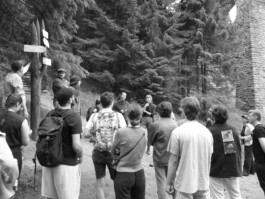
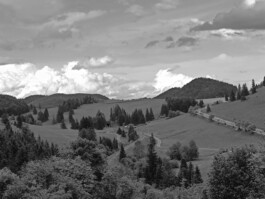
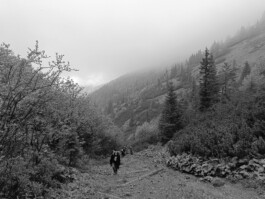
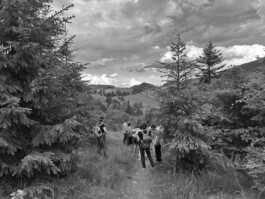
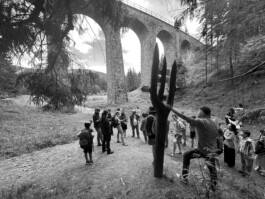
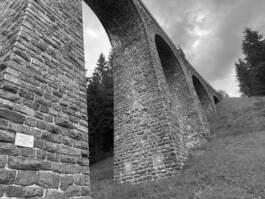
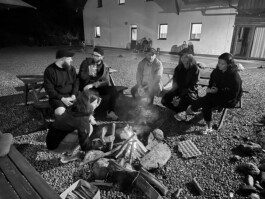
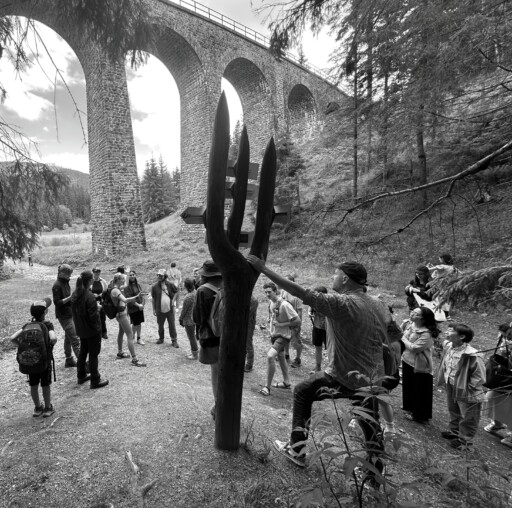
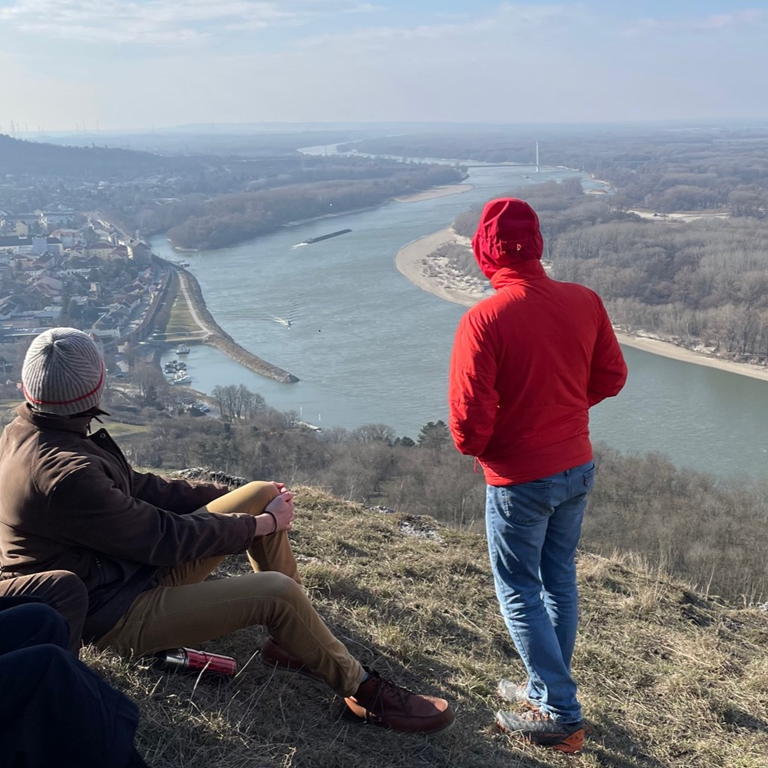
The choice of venue added its own dimension to the week’s conversations. Participants stayed at Apartmány Zuna in the Low Tatras – a national park with a rich diversity of protected flora and fauna. The landscape served as a constant, tangible reminder of what is at stake in debates about ecological transition, giving the school an ideal setting. Beyond the formal programme, VEPSS once again combined academic exchange with a variety of informal activities, including a film screening, shared meals, evening conversations, a tour in the mountains and visit to Telgárt Viaducts, which altogether allowed a genuine community to form.
VEPSS rotates annually among the Visegrad countries – Czechia, Poland, Slovakia, and Hungary – with the conviction that Central and Eastern Europe has distinctive and underutilised perspectives to contribute to global environmental thought. This edition underlined the value of this event and placed the questions of ecological transition in dialogue with the specific histories, vulnerabilities, and intellectual traditions of the region.


The third Visegrad Environmental Philosophy Summer School (VEPSS) took place from 1 to 7 June 2026 in the Low Tatras National Park in Slovakia. The event was organised by the Department of Philosophy at Matej Bel University in Banská Bystrica and the Center for Environmental and Technology Ethics – Prague (CETE-P). It was co-funded by the Erasmus+ Blended Intensive Programme (BIP), with the consortium consisting of University of Wrocław, the University of Pardubice, Charles University Prague, and Wageningen University; some individual researchers were supported by the International Visegrad Fund.
This year’s overarching theme was Ecological Transition: Purity, Politics and (Green) Populism. The on-site programme was preceded by an online workshop led by Friderike Spang (CETE-P), who examined the ethics of vegan activism as an argumentative dimension of ecological transition and explored how well-intentioned efforts to promote change can have unintended consequences.
During the school, three masterclasses were delivered by Alexis Shotwell (Carleton University), whose work on climate feelings and the politics of purity set the intellectual tone for the week. Shotwell introduced these themes to students and provoked lively, wide-ranging discussion about how to think about experiencing and approaching ecological transition. On the last day of the summer school, Shotwell also ran a writing workshop aimed at fostering the habit of and enthusiasm for writing in the context of the increasing impact of LLMs and chatbots in academia.
Rosine Kelz (CETE-P) in her seminar focused more specifically on biodiversity loss and ecosystem deterioration in the context of climate change; together with students, she explored how nature conservation and restoration can move forward in the Anthropocene.
Other sessions addressed the legal personhood of non-human actors, politicisation of non-human animals, political strategies for ecological transition, and the problem of pristine nature, among other topics. Speakers included Urszula Lisowska (University of Wrocław), Michal Kalaš (Matej Bel University), Julia Grillmayr (University of Art and Design Linz), Johannes Kaminski (Slovak Academy of Sciences), and Anthony Fredriksson (University of Pardubice).

Graduate and undergraduate students received 3 ECTS credits for a group activity linked to the local issue of the politicisation of bears. Students prepared presentations representing different stakeholder perspectives (bears, conservationists, local communities, the state, tourist infrastructure, and future generations) and discussed possible solutions, drawing on the theories introduced throughout the summer school.

The choice of venue added its own dimension to the week’s conversations. Participants stayed at Apartmány Zuna in the Low Tatras – a national park with a rich diversity of protected flora and fauna. The landscape served as a constant, tangible reminder of what is at stake in debates about ecological transition, giving the school an ideal setting. Beyond the formal programme, VEPSS once again combined academic exchange with a variety of informal activities, including a film screening, shared meals, evening conversations, a tour in the mountains and visit to Telgárt Viaducts, which altogether allowed a genuine community to form.
VEPSS rotates annually among the Visegrad countries – Czechia, Poland, Slovakia, and Hungary – with the conviction that Central and Eastern Europe has distinctive and underutilised perspectives to contribute to global environmental thought. This edition underlined the value of this event and placed the questions of ecological transition in dialogue with the specific histories, vulnerabilities, and intellectual traditions of the region.

•• All News
Celetná 988/38
Prague 1
Czech Republic
This project receives funding from the Horizon EU Framework Programme under Grant Agreement No. 101086898.