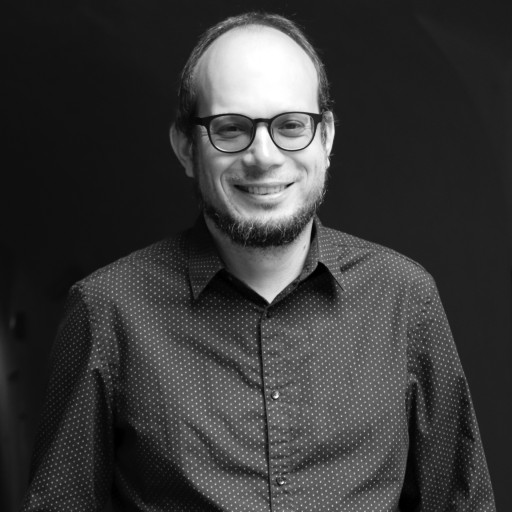
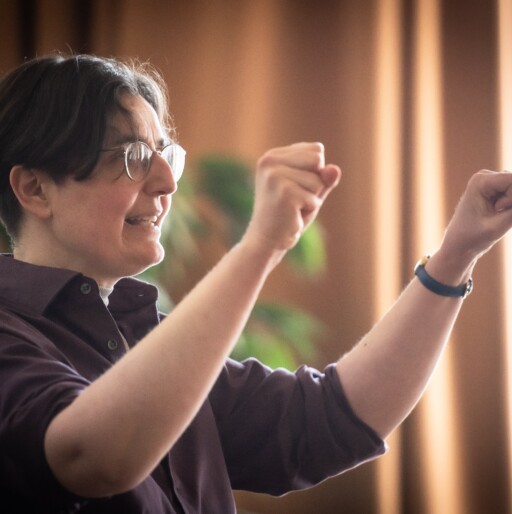
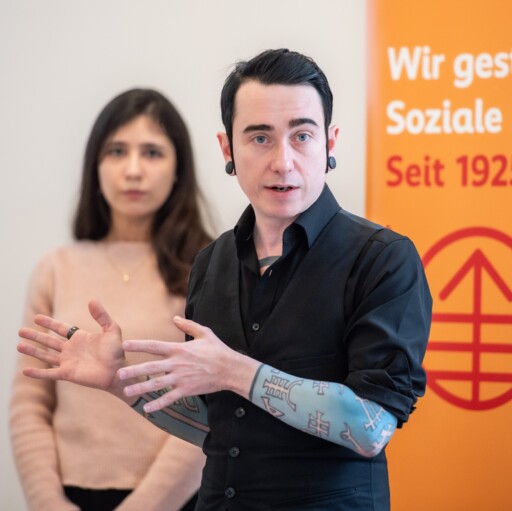
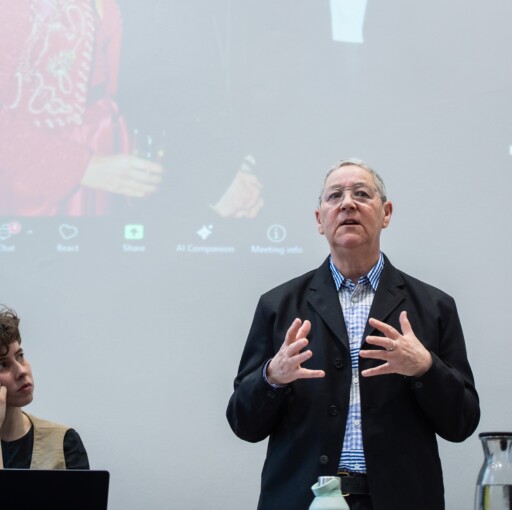
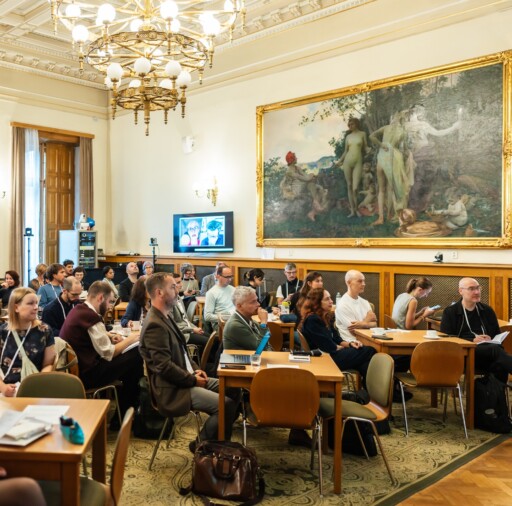
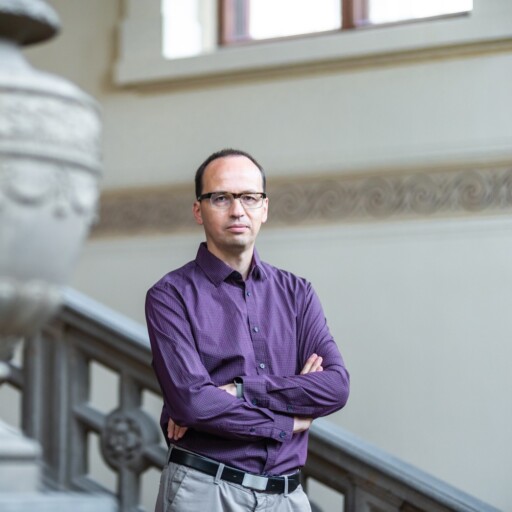
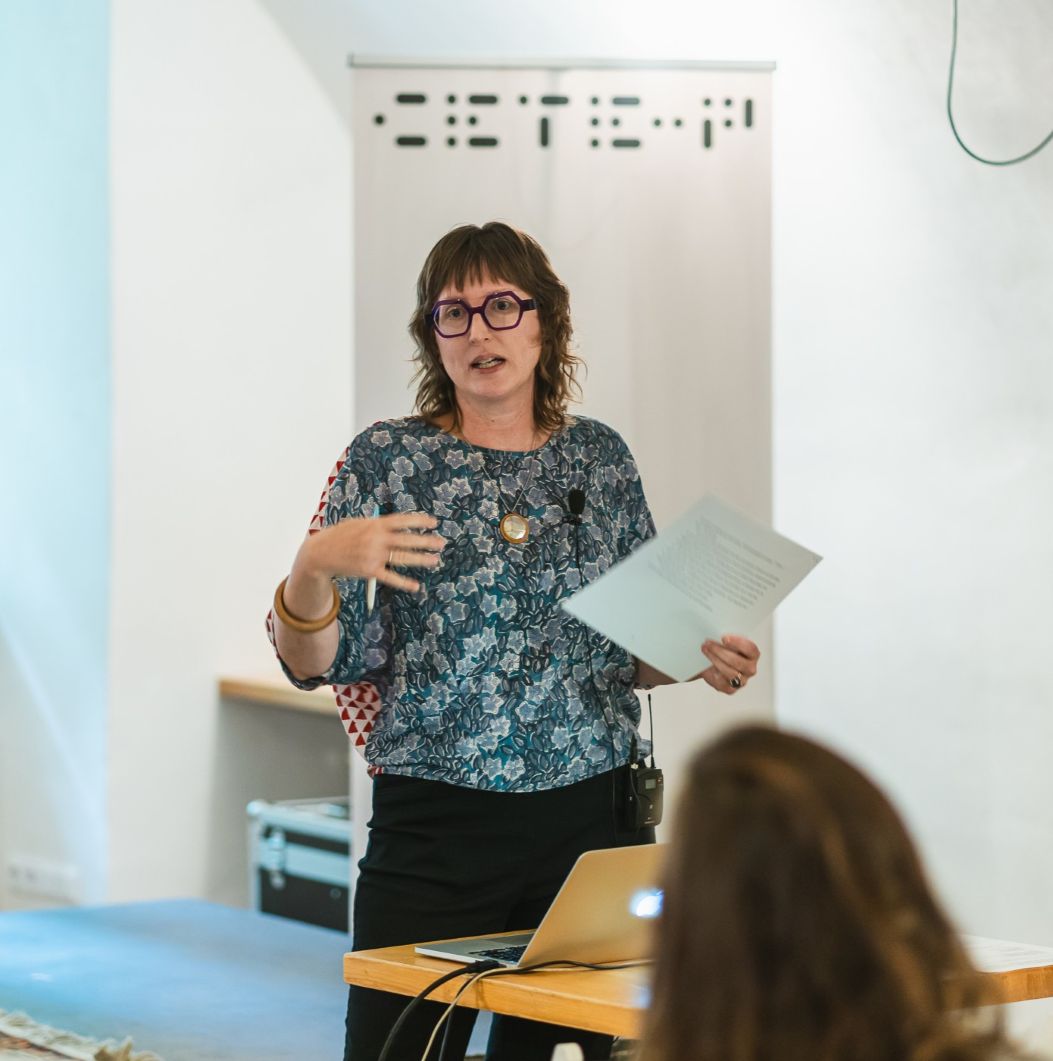
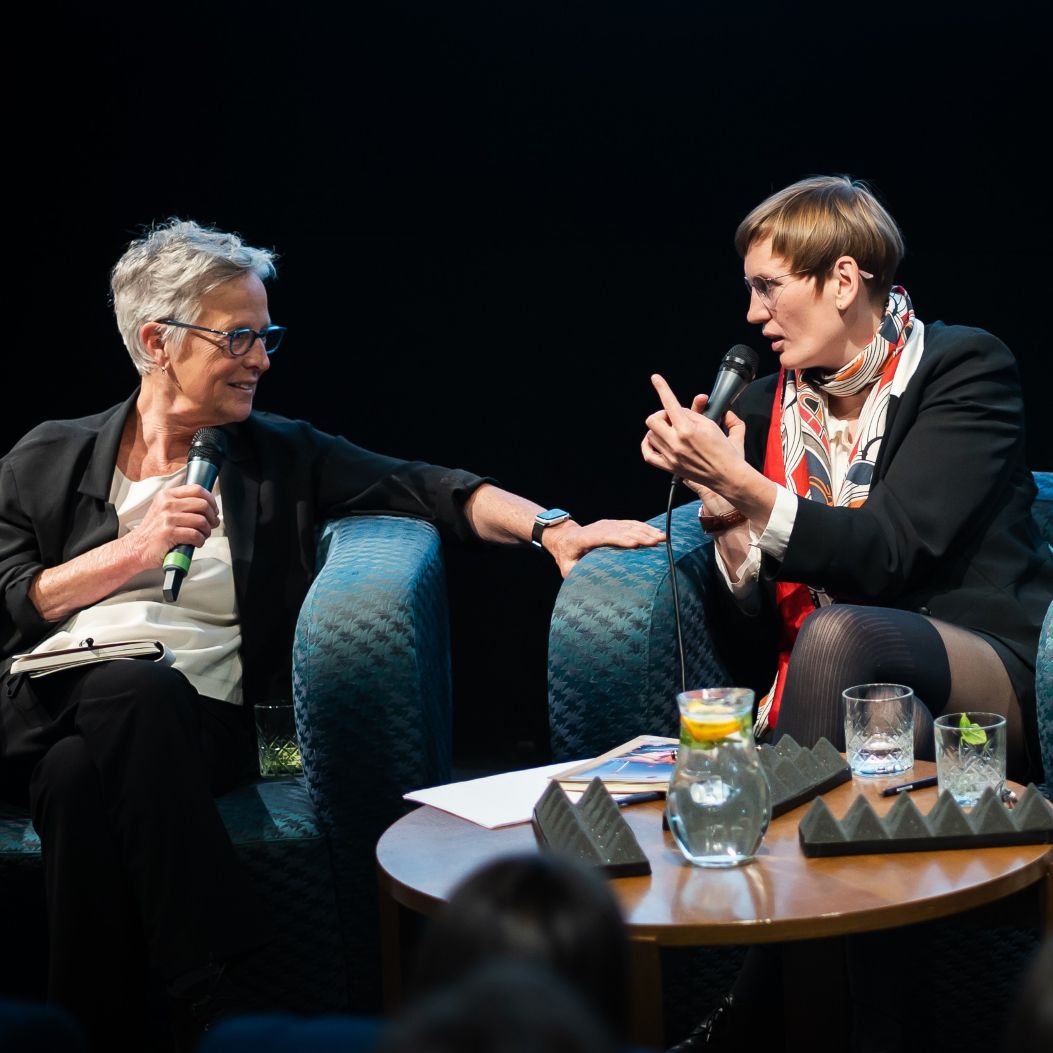
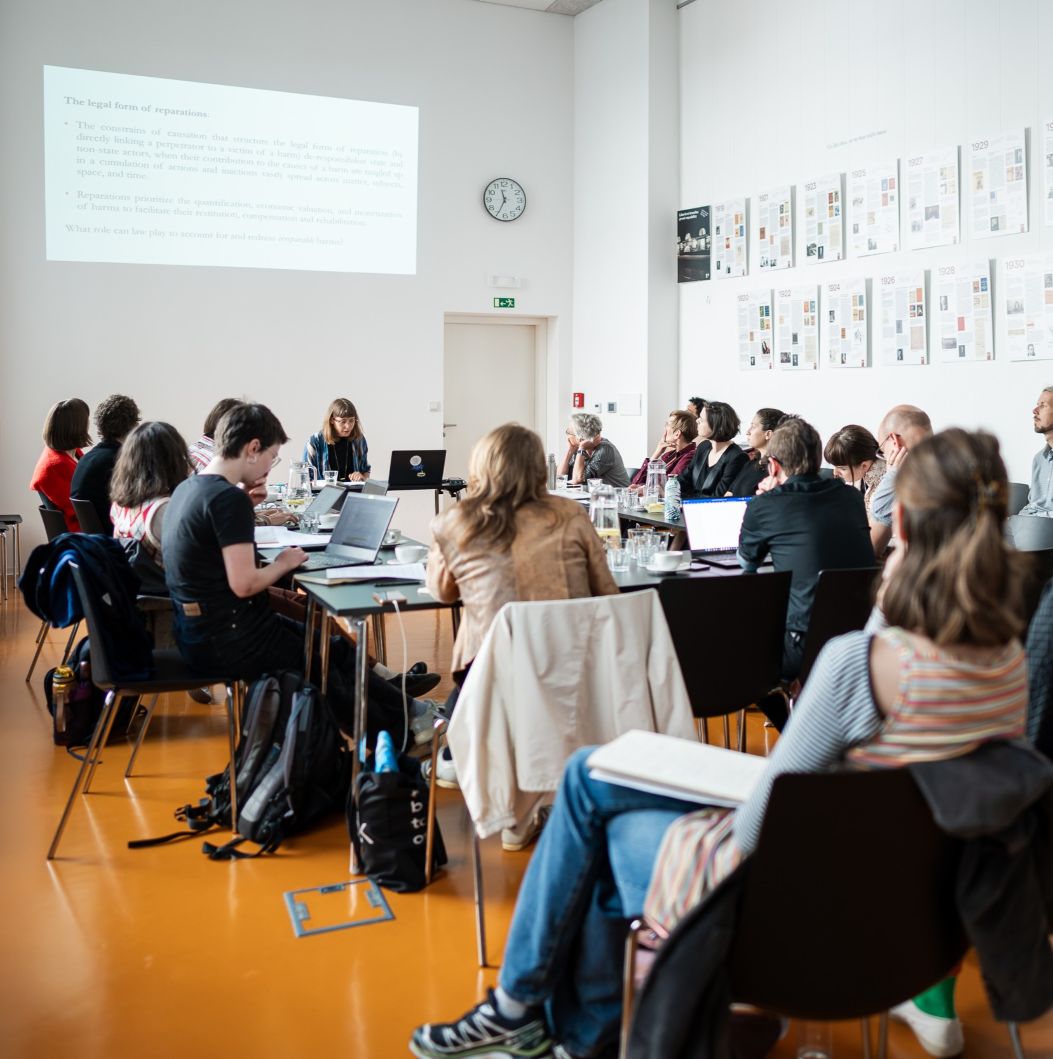
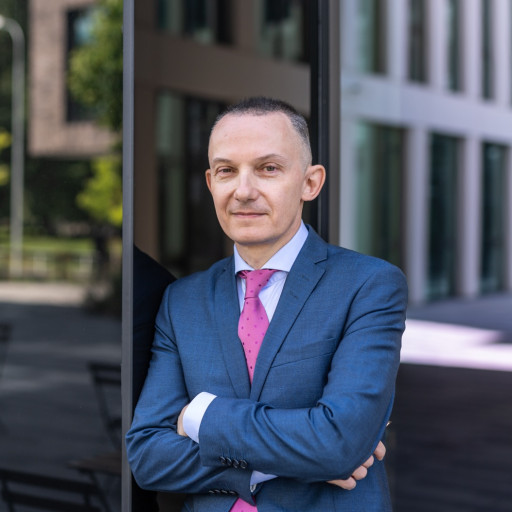
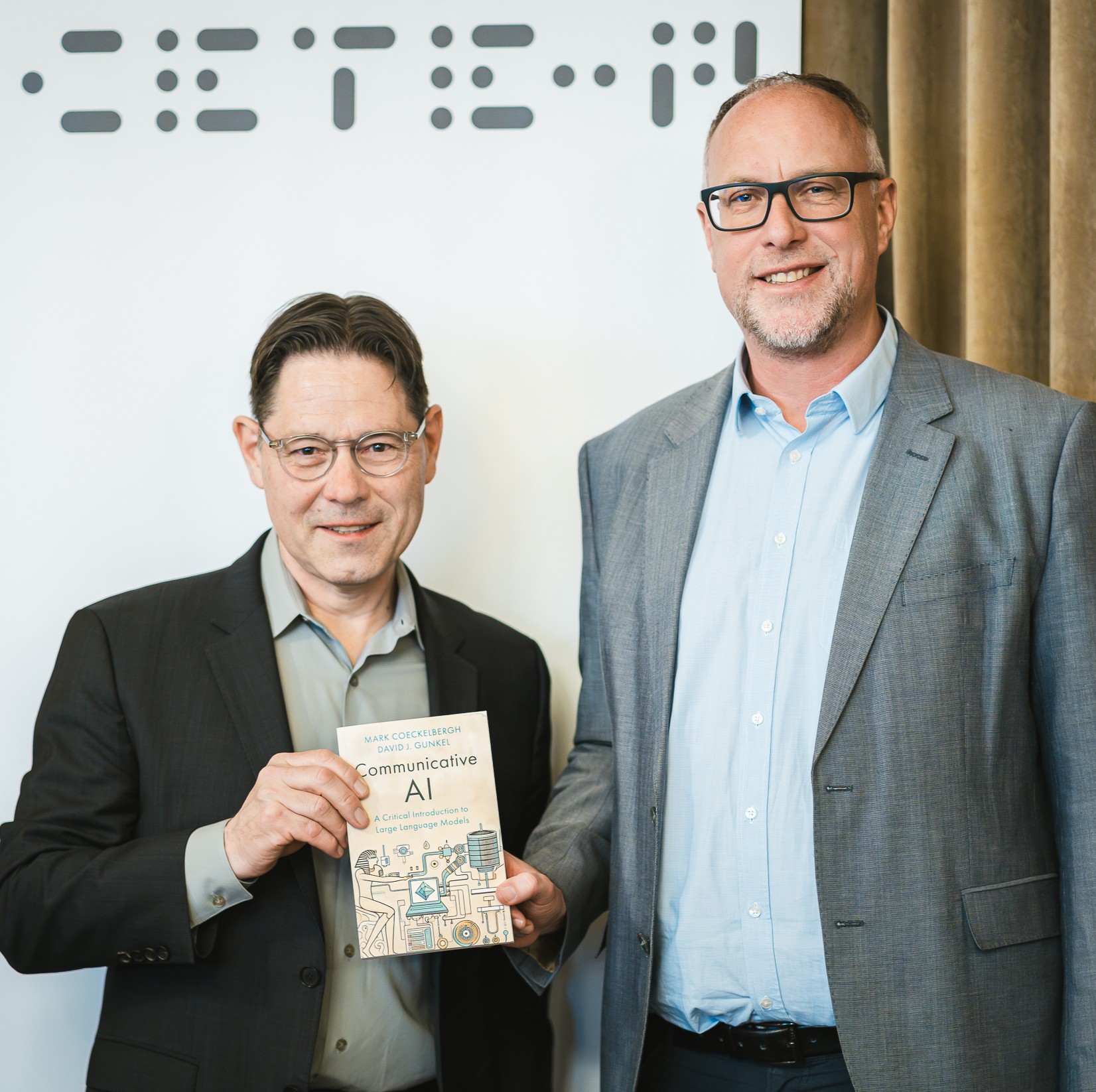
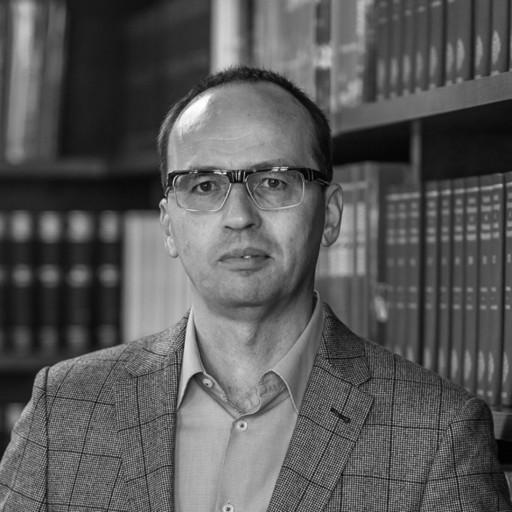
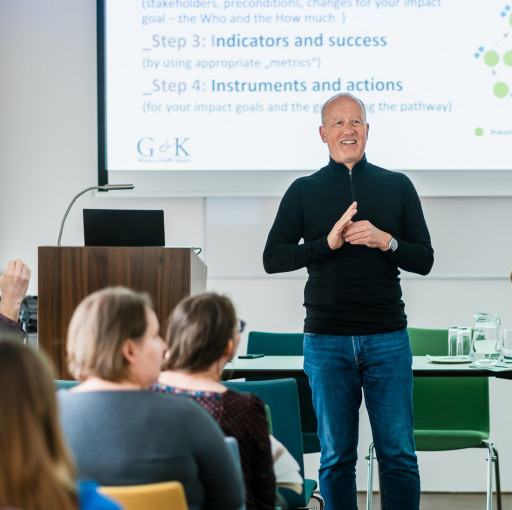
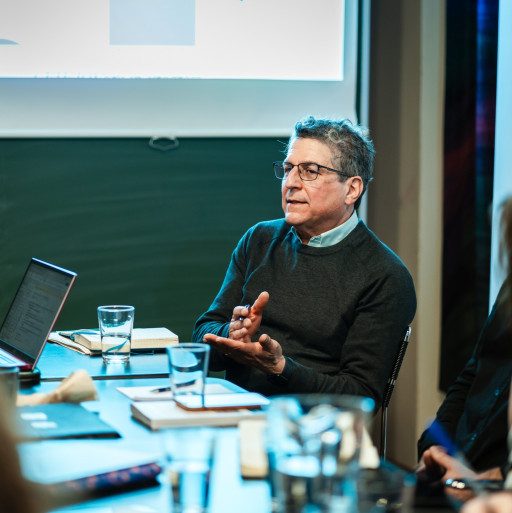
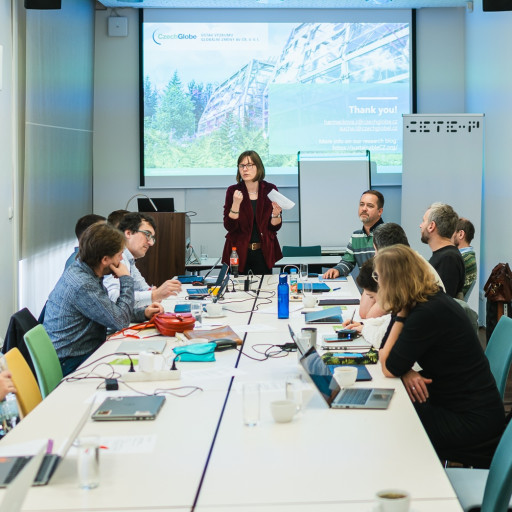
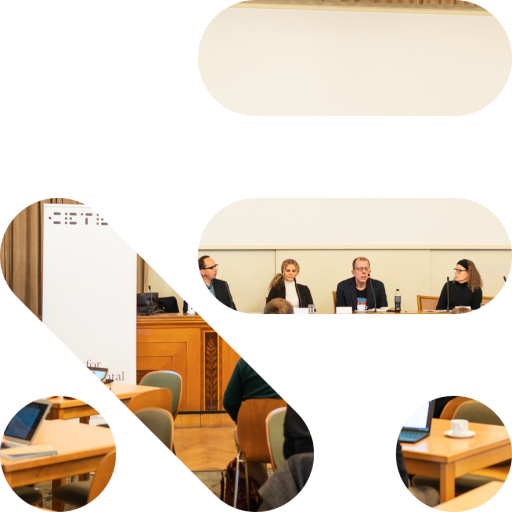
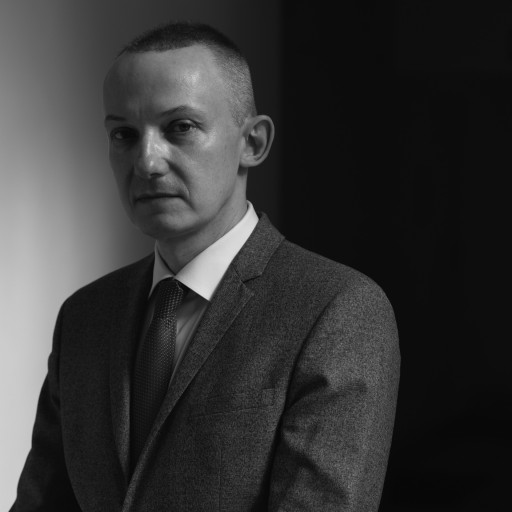
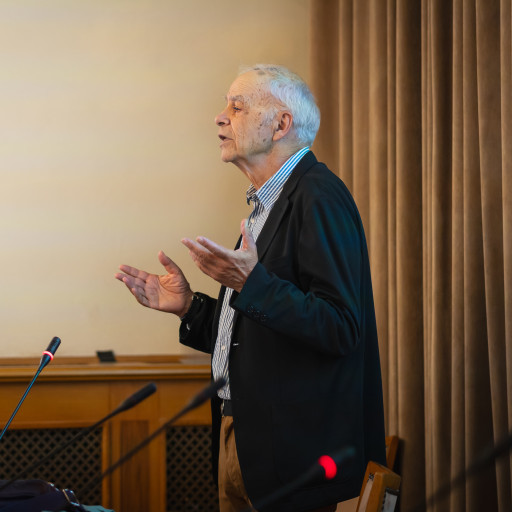
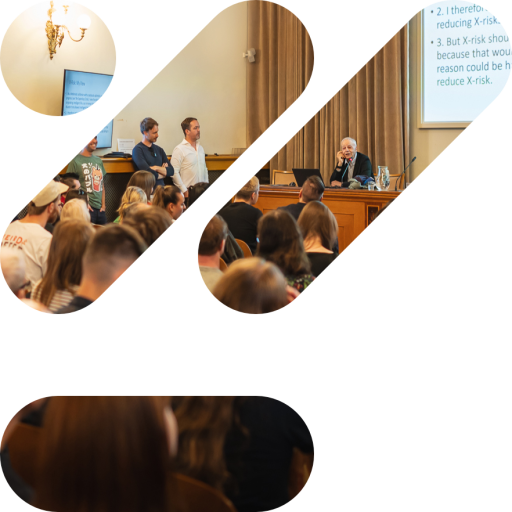
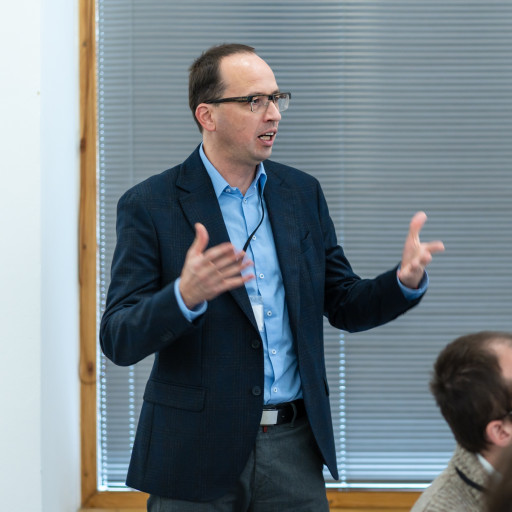
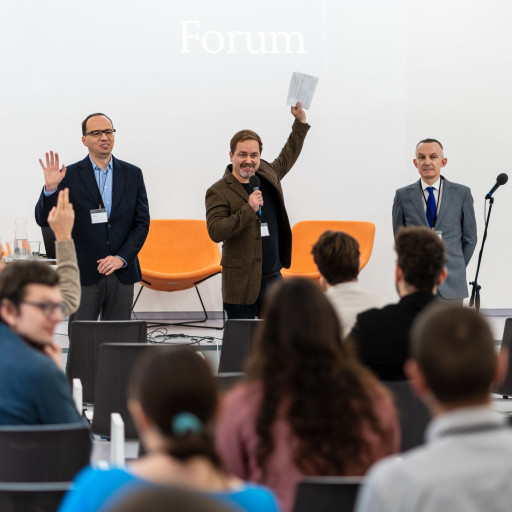
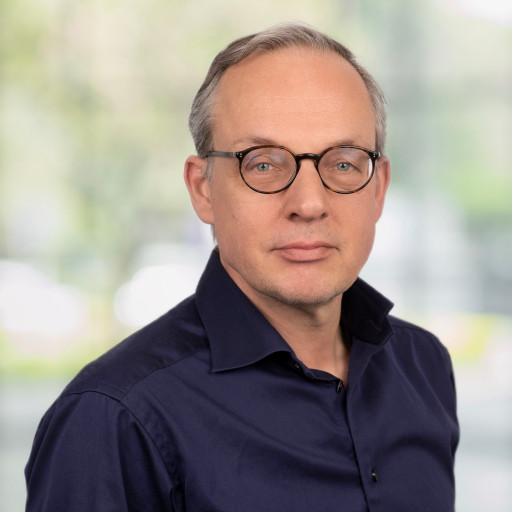
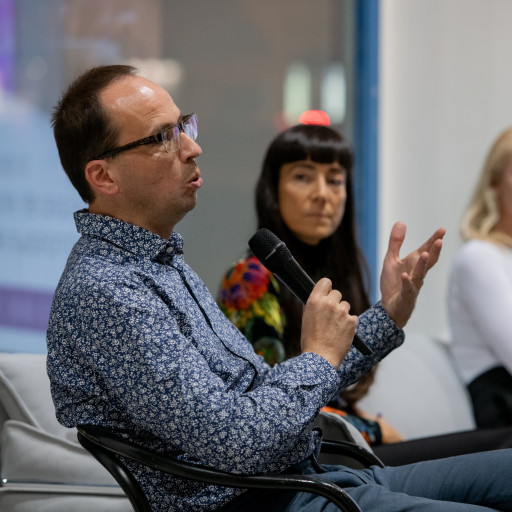
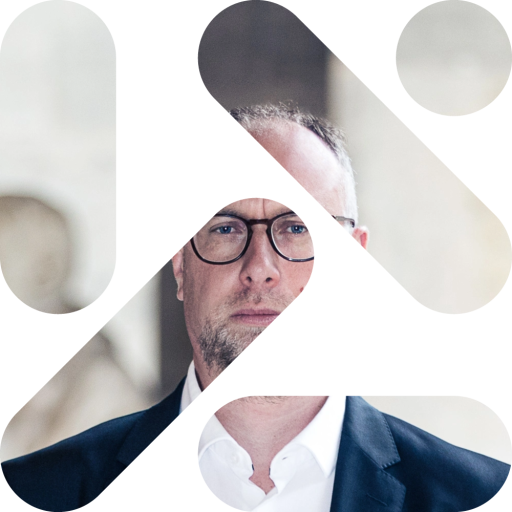
From 26 April till 30 April, CETE-P hosted Adam Henschke, an Australian philosopher, based at the University of Twente in Netherlands. Adam specializes in various subfields in the philosophy and ethics of technology, such as ethics of surveillance, AI ethics, cognitive warfare and military ethics. On Monday, 27 April, Adam gave a talk in Academic Conference Center, called Cognitive warfare, Post Reality Technologies, Epistemic Secession and the End of Democracy. In the talk, Adam describes the rise of conditions, in which specific technologies, namely AI, creates conditions in which epistemic orientation becomes tremendously difficult and he is especially interested in how such occurrent individual epistemic failures lead to the failures of democratic institutions to protect its citizens and ensure its sustainability.

The event was organized as part of the project Human-centred AI for a Sustainable and Adaptive Society (HumanAId, reg. no. CZ.02.01.01/00/23_025/0008691), implemented by the Institute of Philosophy CAS. The main objective of the project is to develop methodologies and tools that will enable the potential of large language models (LLMs) to be used in a way that is in line with the value and normative requirements of specific users in civil society and government.

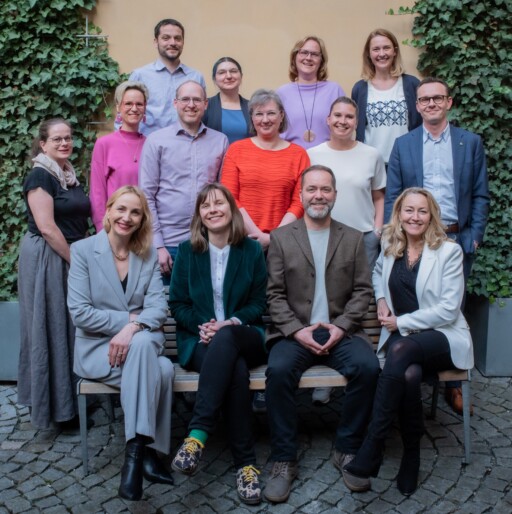
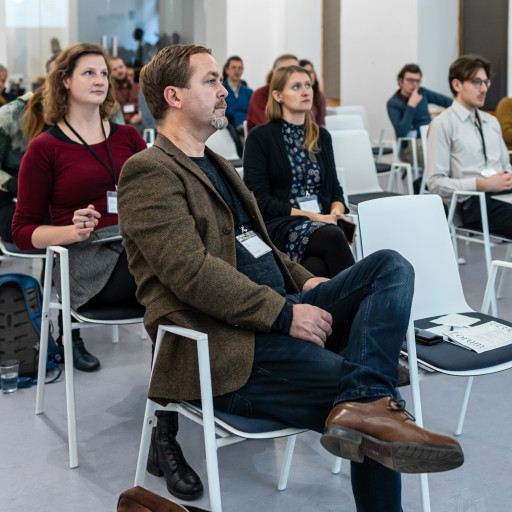
The talk was attended by a number of our collaborators from the Charles University that is heading the project. On Tuesday and Wednesday of that week, Adam met with various members of the HumanAId group to discuss possible future cooperation and the academic exchange between us and his philosophy group at Twente. Adam is definitely interested in future cooperation and we aim to invite him to Prague in the foreseeable future again.


From 26 April till 30 April, CETE-P hosted Adam Henschke, an Australian philosopher, based at the University of Twente in Netherlands. Adam specializes in various subfields in the philosophy and ethics of technology, such as ethics of surveillance, AI ethics, cognitive warfare and military ethics. On Monday, 27 April, Adam gave a talk in Academic Conference Center, called Cognitive warfare, Post Reality Technologies, Epistemic Secession and the End of Democracy. In the talk, Adam describes the rise of conditions, in which specific technologies, namely AI, creates conditions in which epistemic orientation becomes tremendously difficult and he is especially interested in how such occurrent individual epistemic failures lead to the failures of democratic institutions to protect its citizens and ensure its sustainability.
The event was organized as part of the project Human-centred AI for a Sustainable and Adaptive Society (HumanAId, reg. no. CZ.02.01.01/00/23_025/0008691), implemented by the Institute of Philosophy CAS. The main objective of the project is to develop methodologies and tools that will enable the potential of large language models (LLMs) to be used in a way that is in line with the value and normative requirements of specific users in civil society and government.
The talk was attended by a number of our collaborators from the Charles University that is heading the project. On Tuesday and Wednesday of that week, Adam met with various members of the HumanAId group to discuss possible future cooperation and the academic exchange between us and his philosophy group at Twente. Adam is definitely interested in future cooperation and we aim to invite him to Prague in the foreseeable future again.

•• All News
Celetná 988/38
Prague 1
Czech Republic
This project receives funding from the Horizon EU Framework Programme under Grant Agreement No. 101086898.