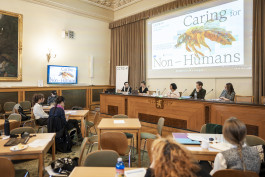
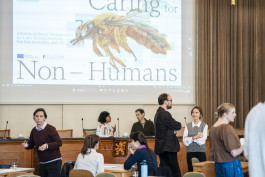
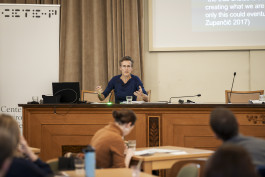
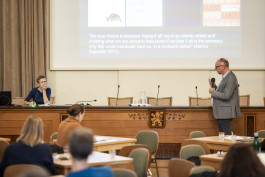
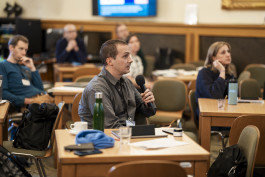
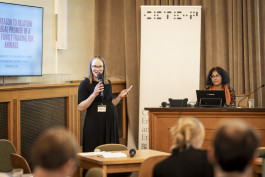
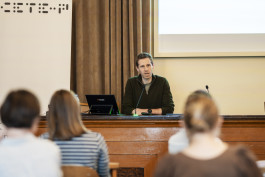
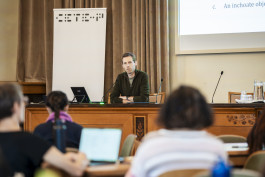
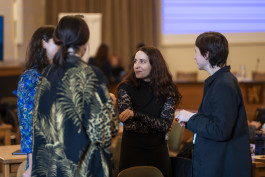
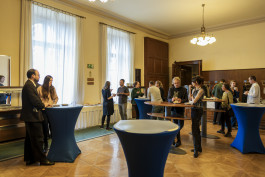
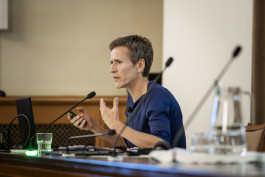
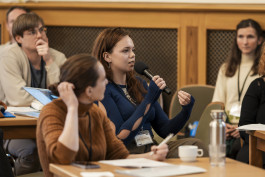
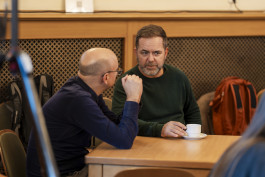
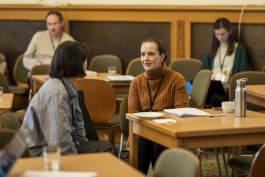
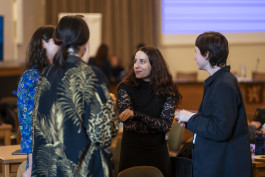
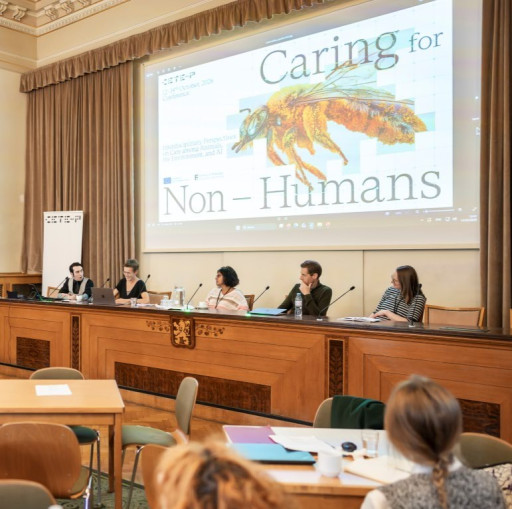
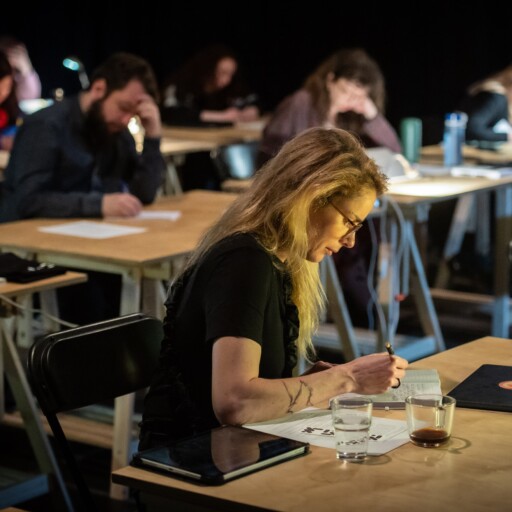
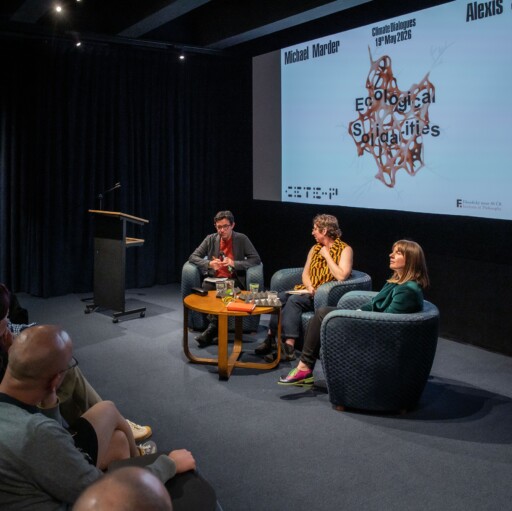
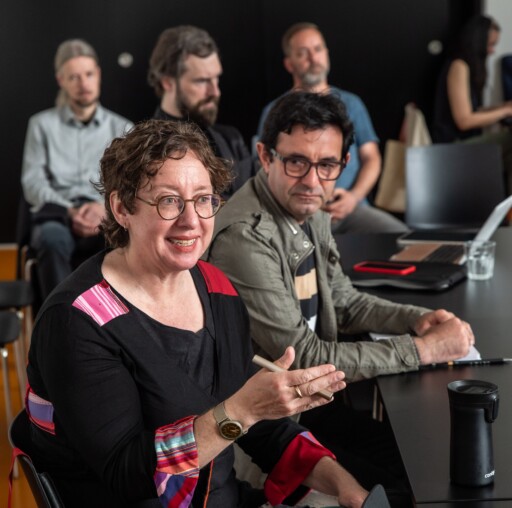
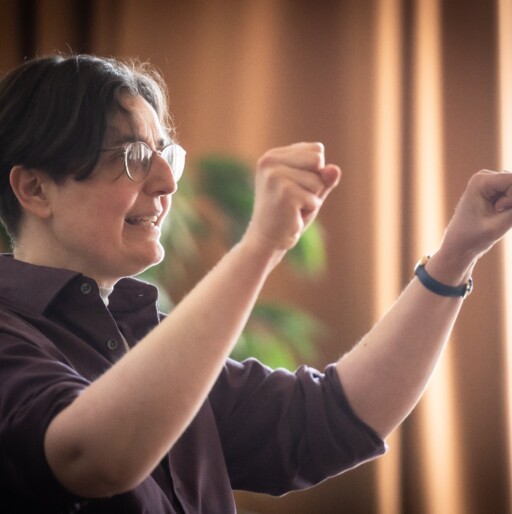
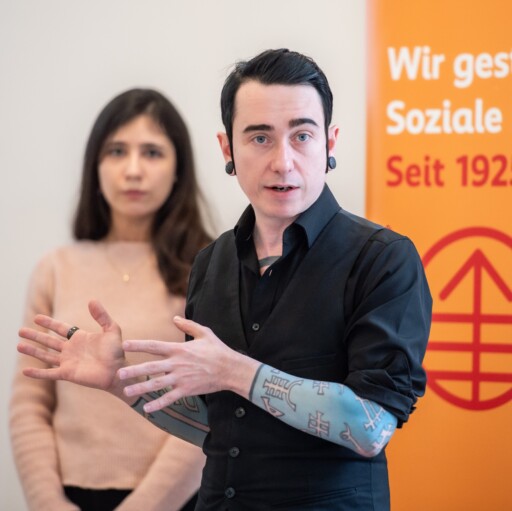
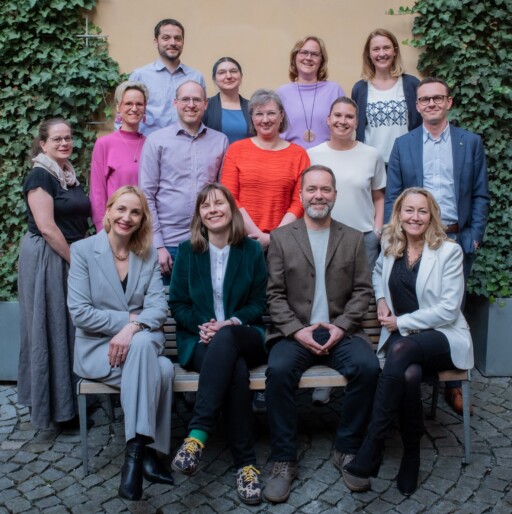
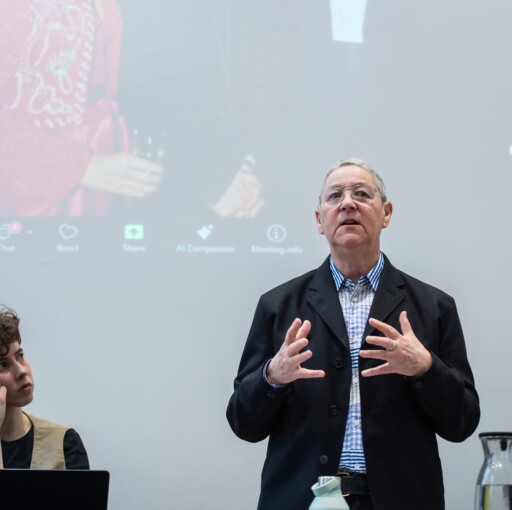
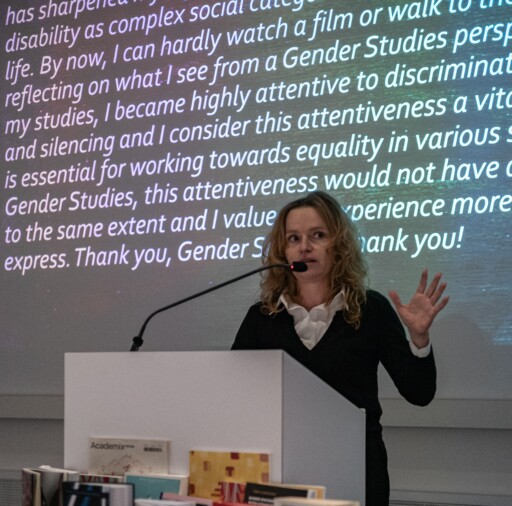
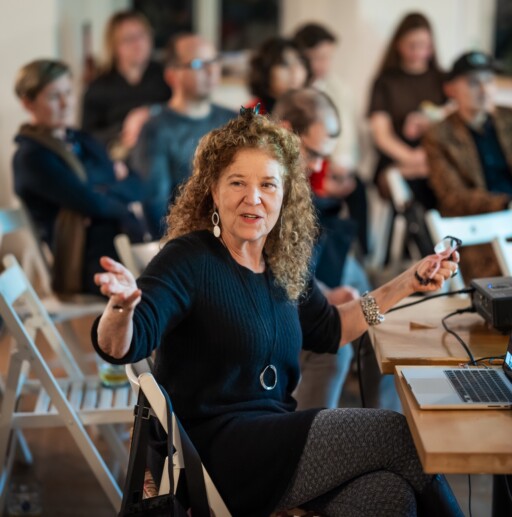
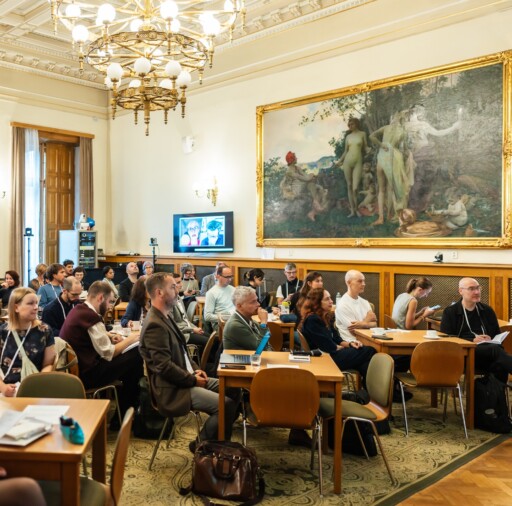
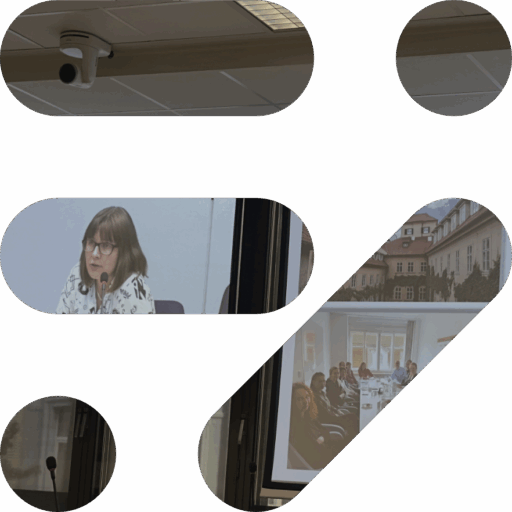
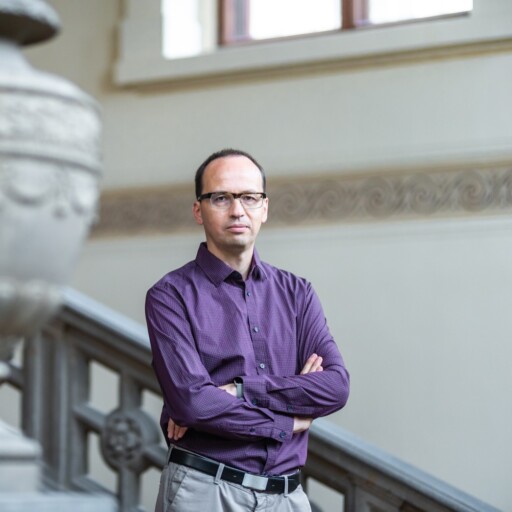
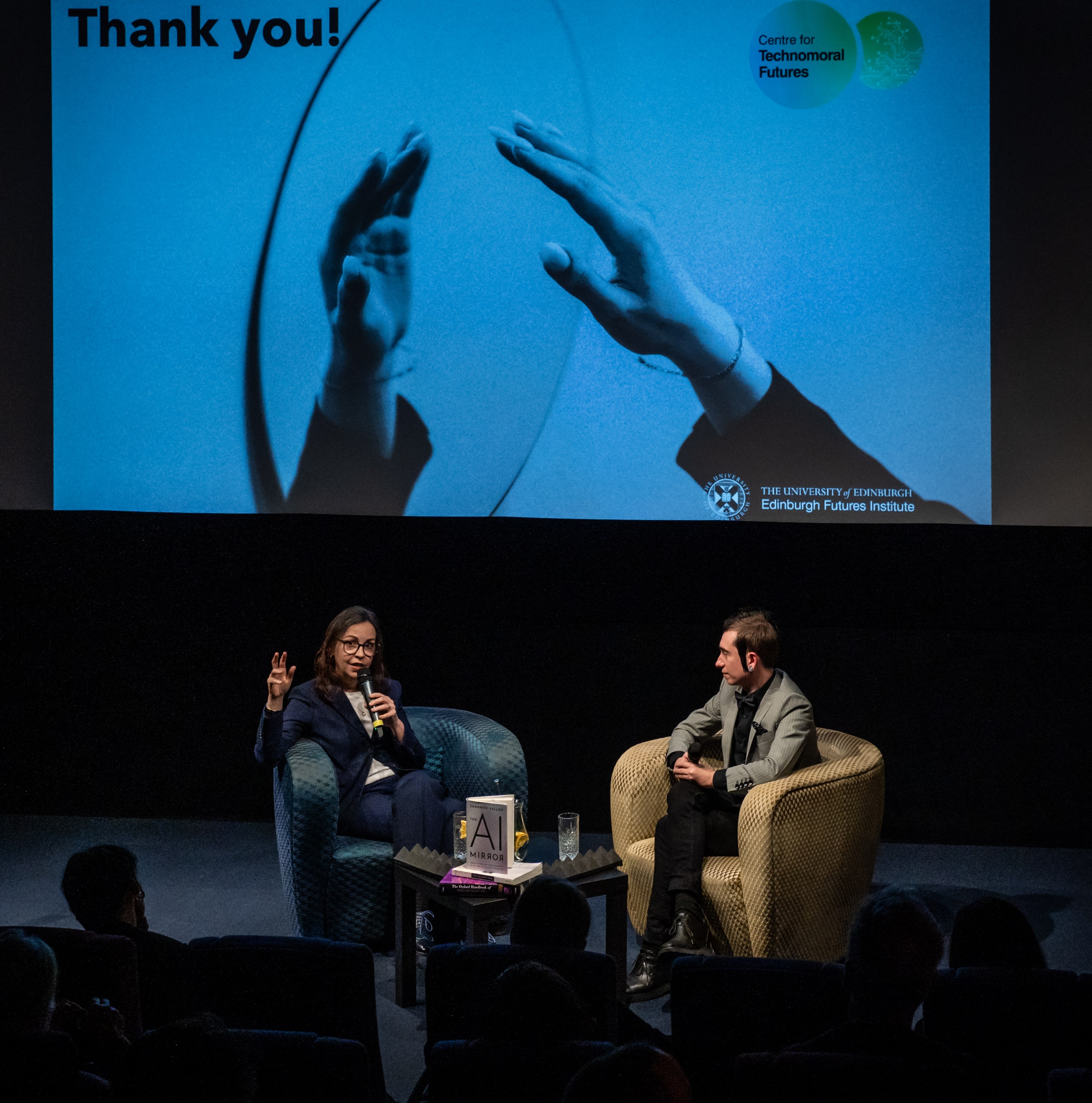
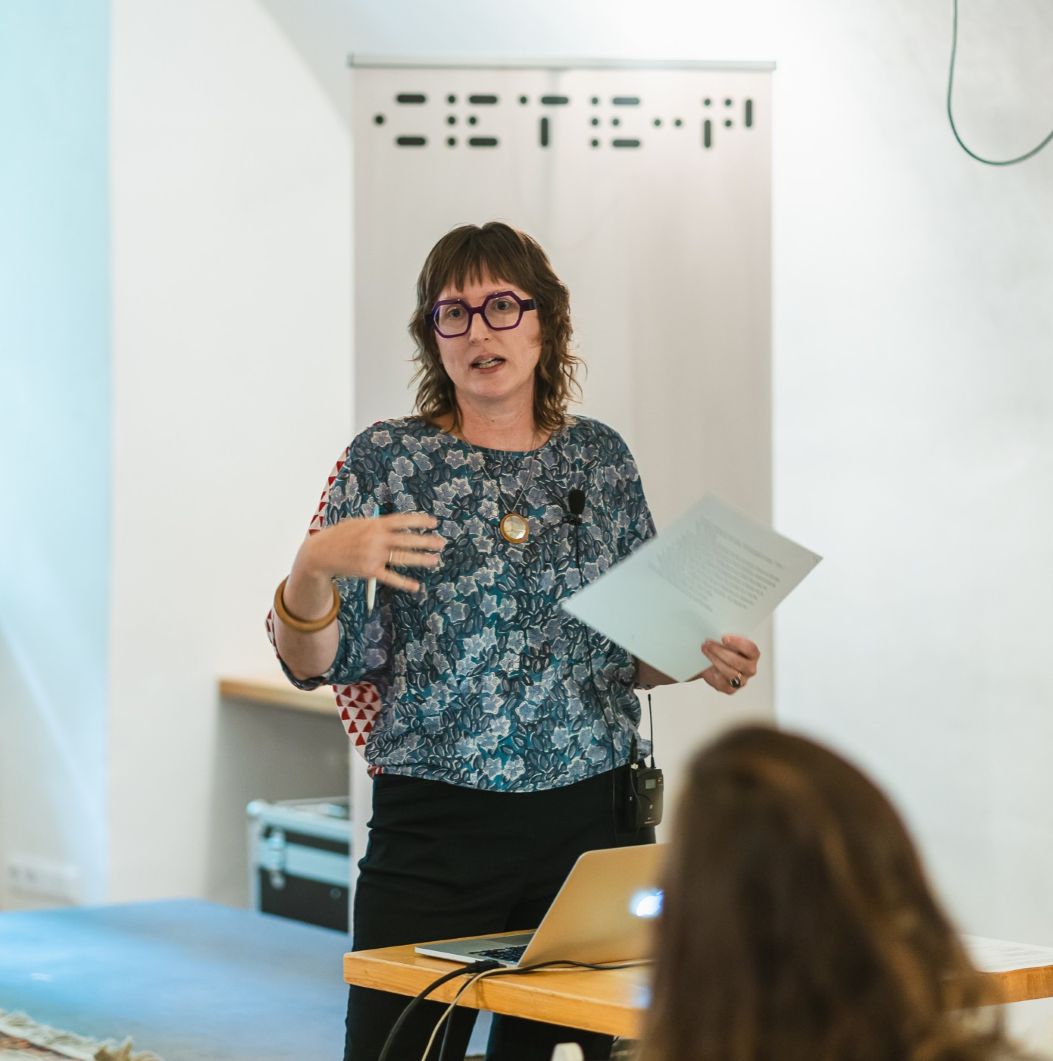
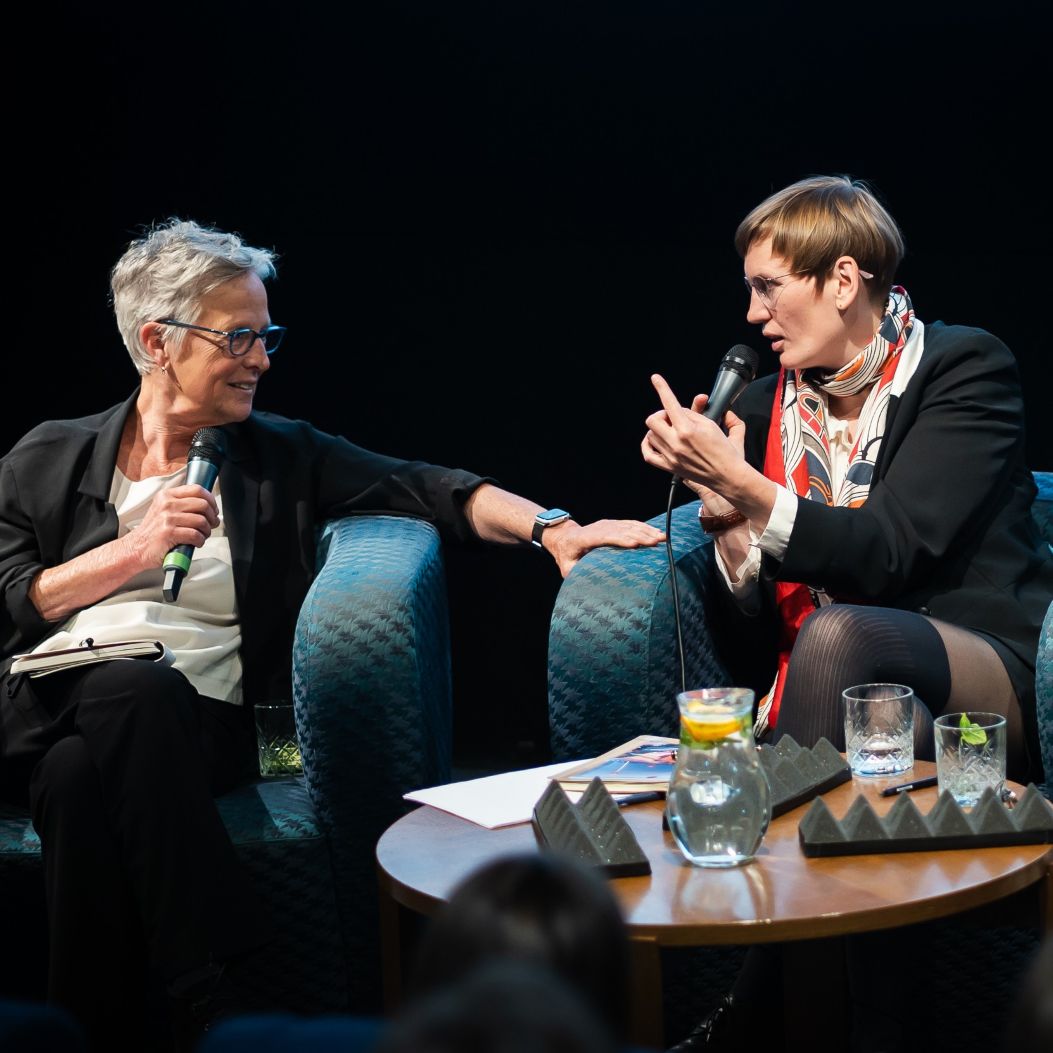
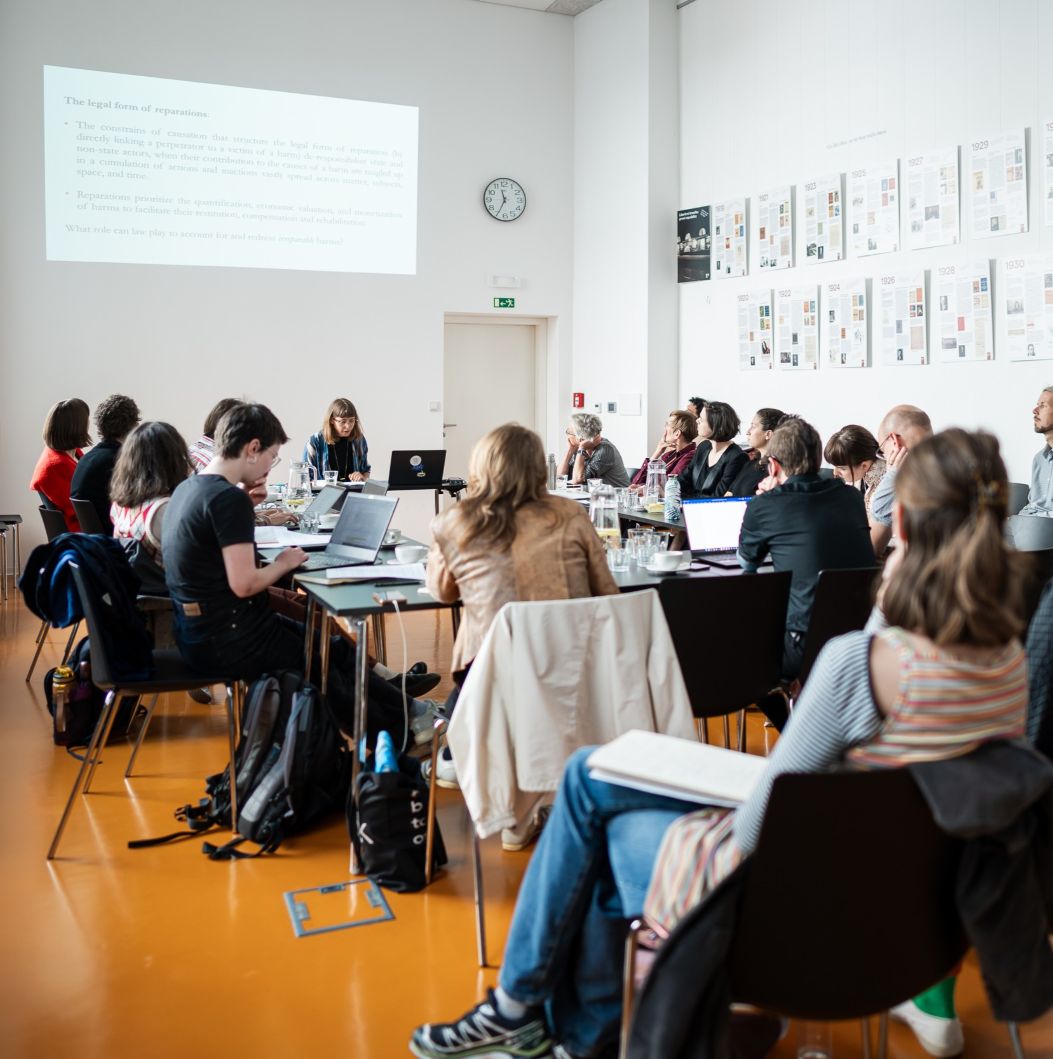
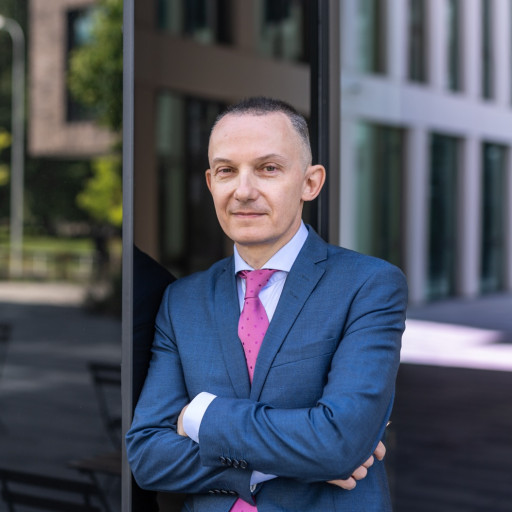
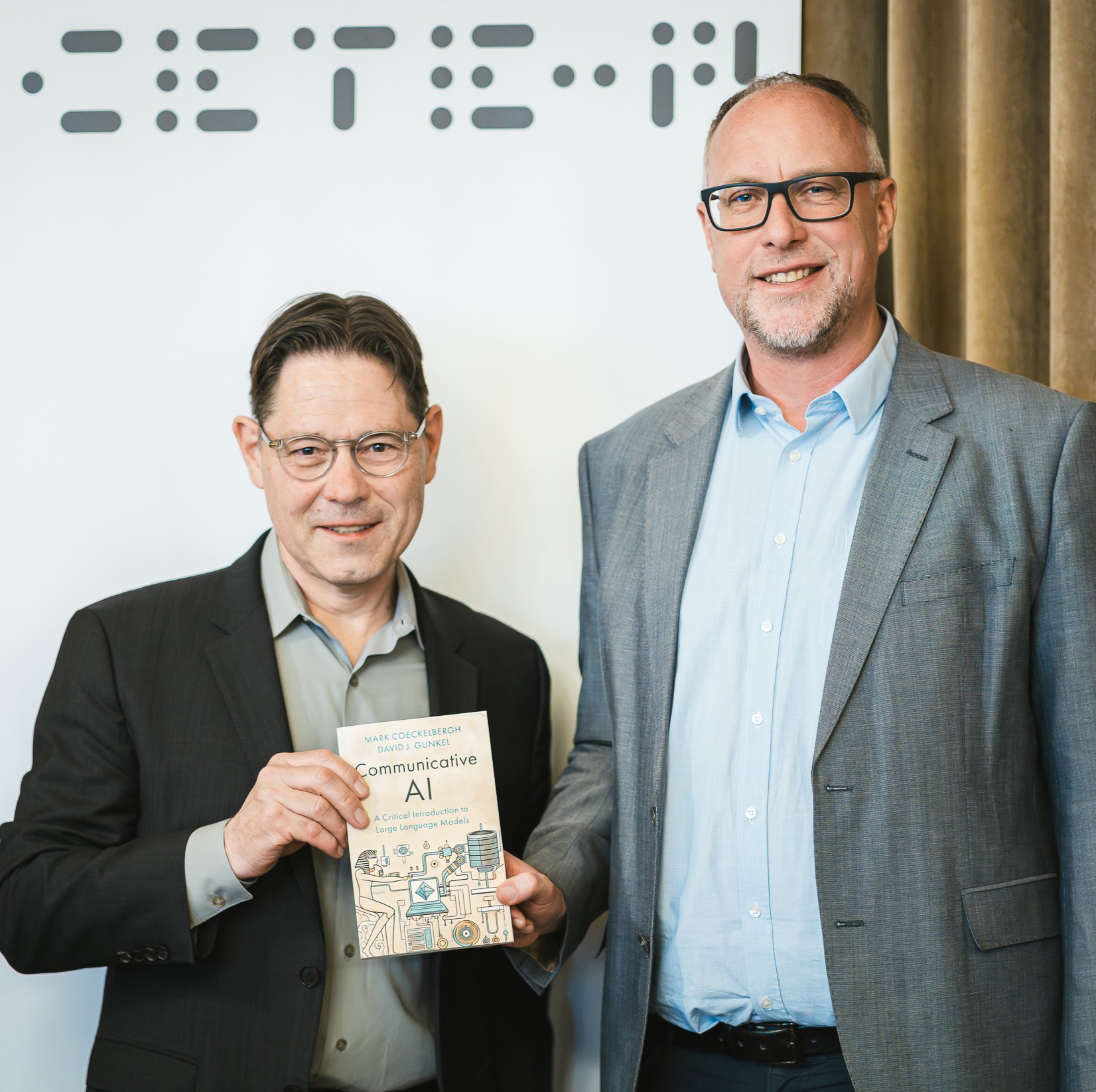
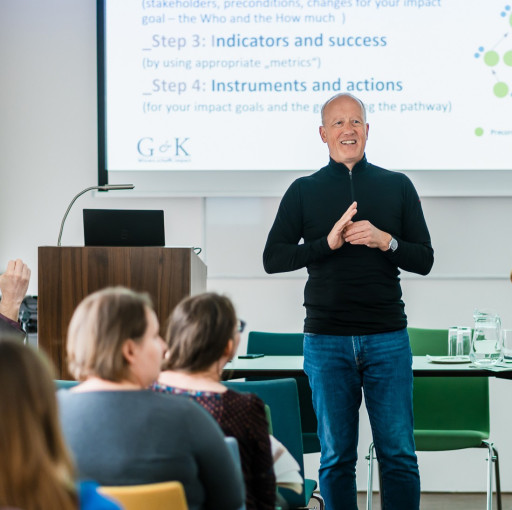
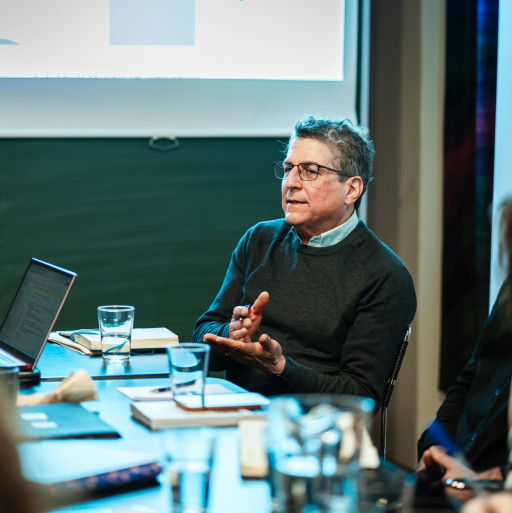
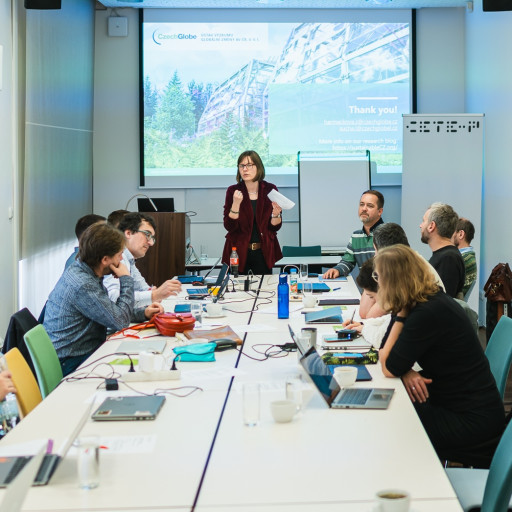
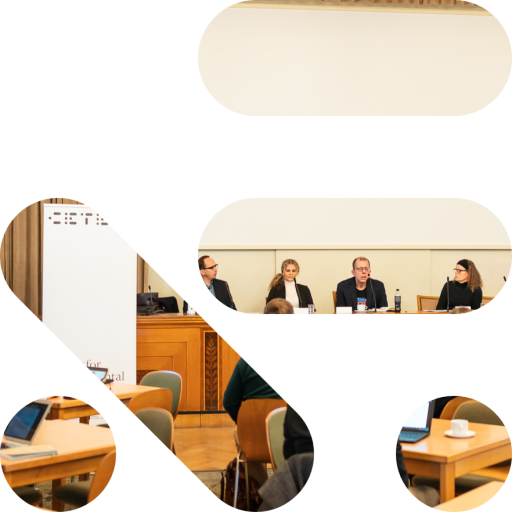
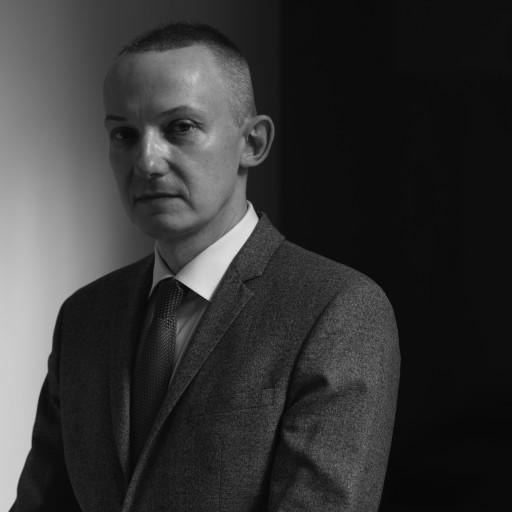
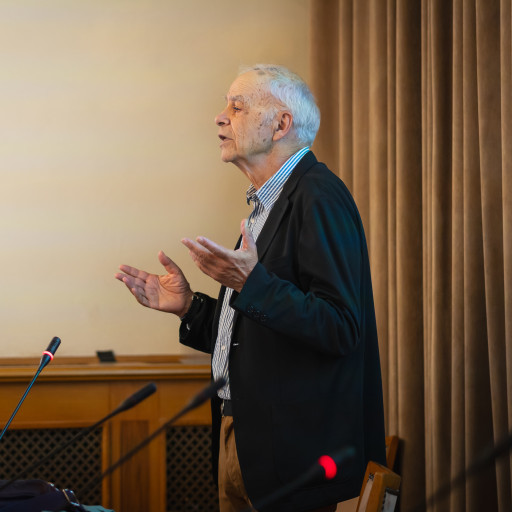
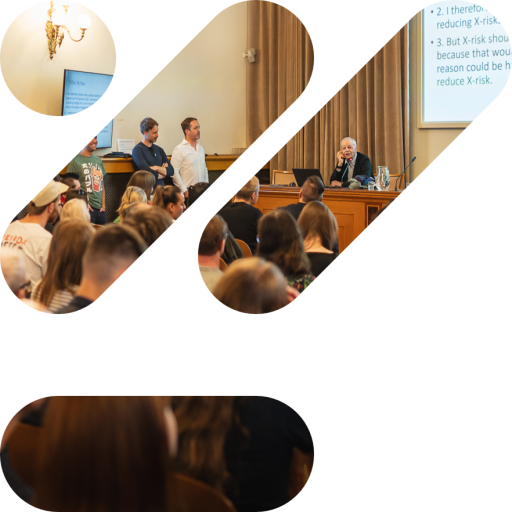
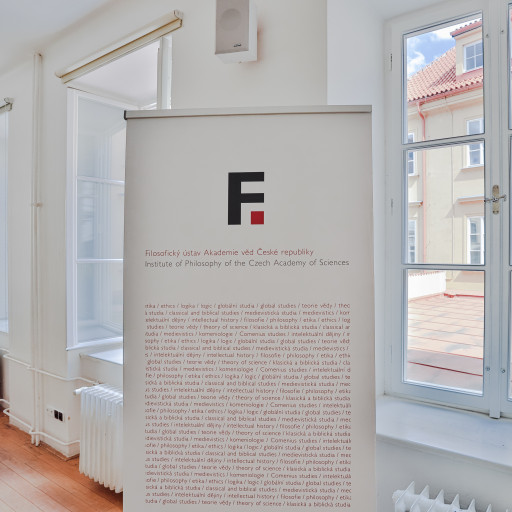
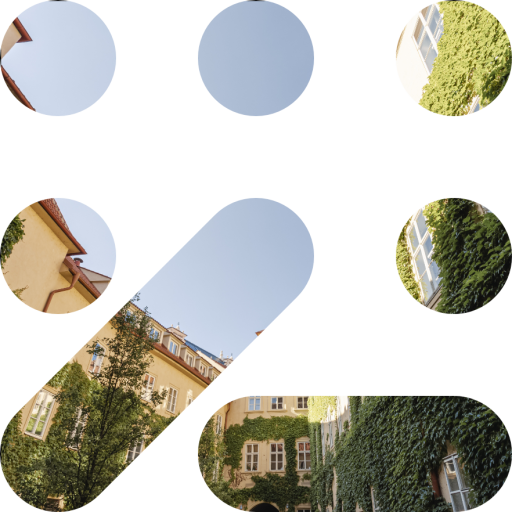
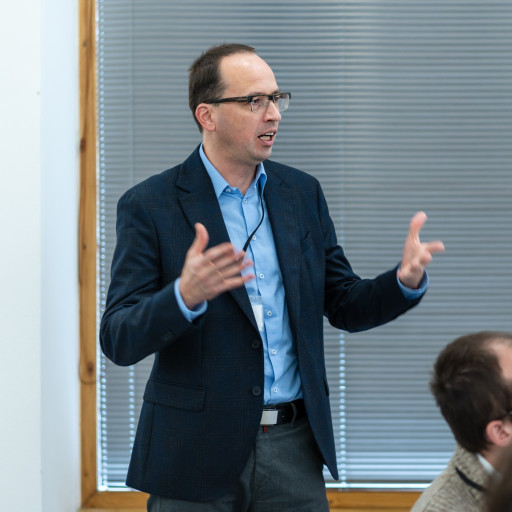
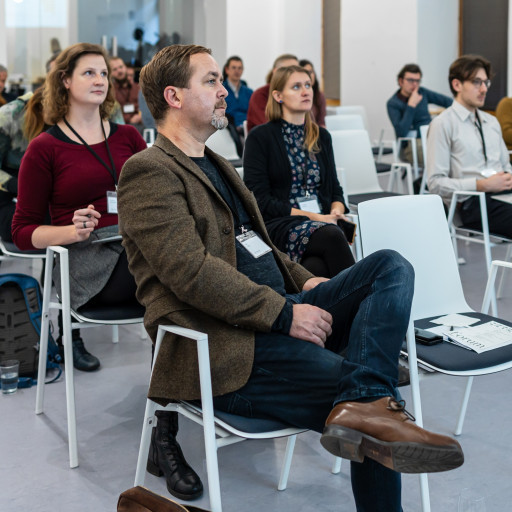
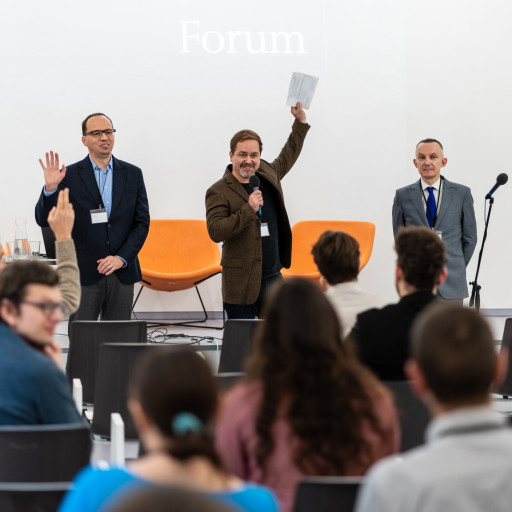
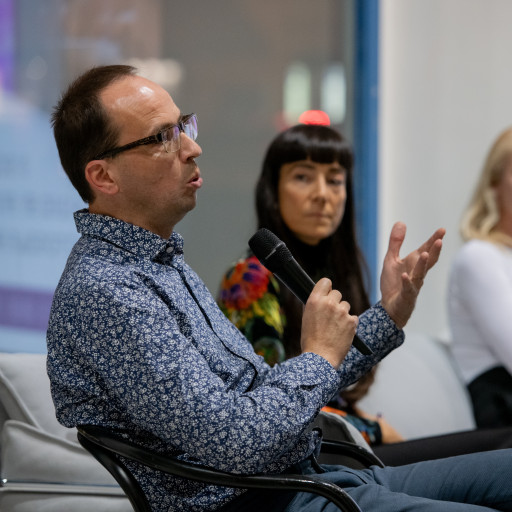
The three-day international conference Caring for Non-Humans, organised by CETE-P on 12–14 October 2026, brought together researchers working in philosophy, animal ethics and law, environmental humanities, sociology, art, and AI ethics. Held at the headquarters of the Czech Academy of Sciences in Prague, the event examined what it means to care for animals, environments, and artificial intelligence, and whether concepts and practices of care can travel meaningfully between these domains. Attendance varied across sessions, with approximately 30–50 people present at different points during the conference.
The programme was organised around three guiding questions: “What is Care?” (Monday), “Who Counts?” (Tuesday), and “Living Together in More-than-Human Worlds” (Wednesday). Seven thematic sessions and three keynote lectures connected conceptual debates about care with concrete practices, institutions, and relationships.
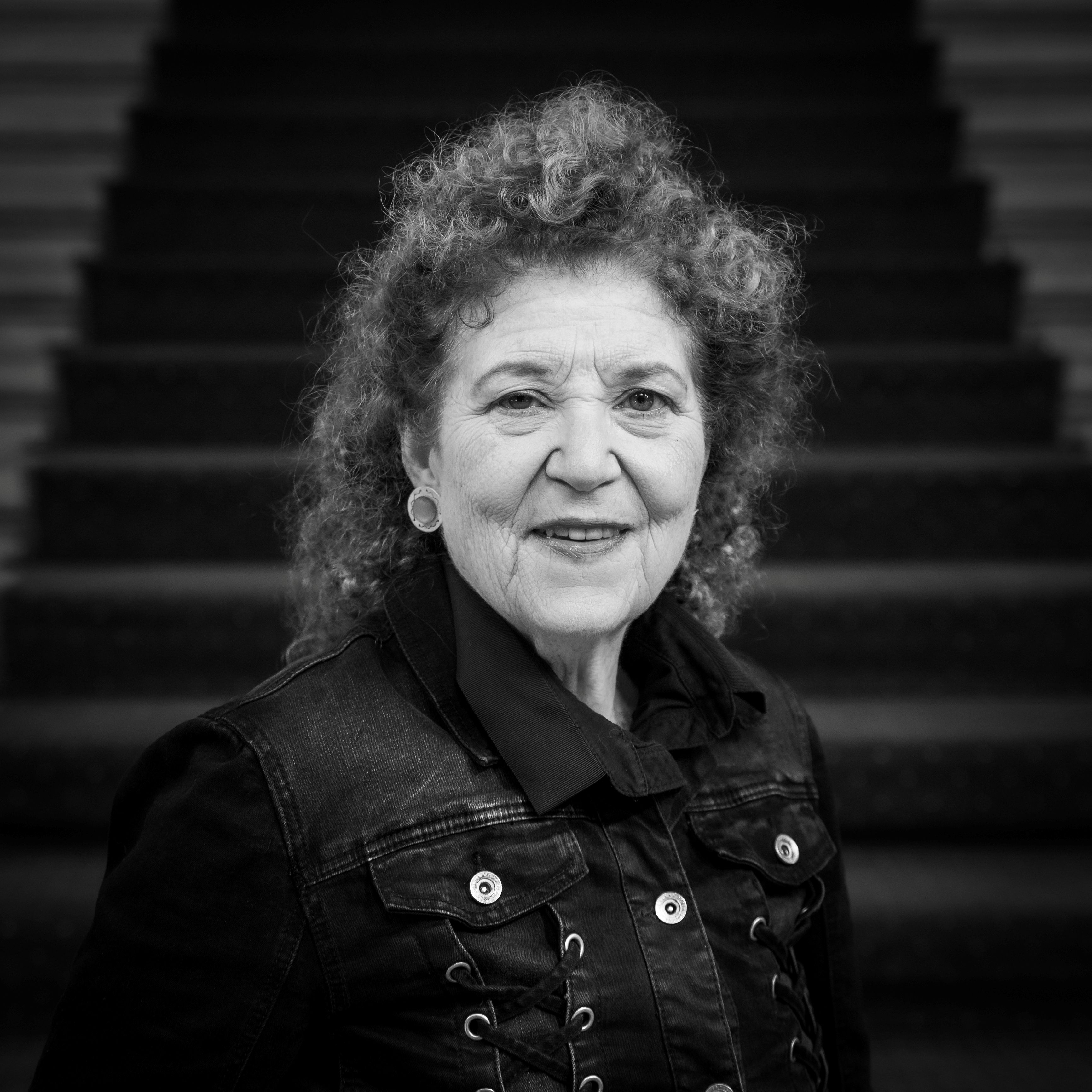
On Monday, 12 October, sessions on learning, understanding, and extending care considered how caring dispositions are cultivated and how relations of responsibility can be recognised across species and technologies. Contributions explored animal ethics education, human–equine co-learning, children’s judgments about animal experimentation, environmental emotions, authenticity in human–AI companionship, and reciprocal artistic practices with insects. The day concluded with Christine Hentschel’s keynote, “Caring for the ‘not yet’ after the ‘too late’, which examined reparative and preparatory forms of agency amid ecological loss and political catastrophe.
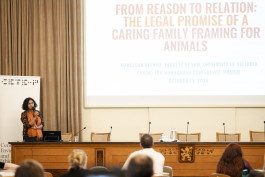
On Tuesday, 13 October, the focus shifted to moral status, standing, agency, and recognition. Presentations addressed speciesism and moral injury, tensions between care and killing in veterinary and hunting contexts, bovine–human coexistence, the rights of nature, bioart, artificial empathy, digital twins, and ecological translation. In her keynote, “From Reason to Relation: The Legal Promise of a Caring Family Framing for Animals”, Maneesha Deckha considered how legal frameworks might move beyond treating animals primarily as property and instead recognise their familial relationships and claims to care.


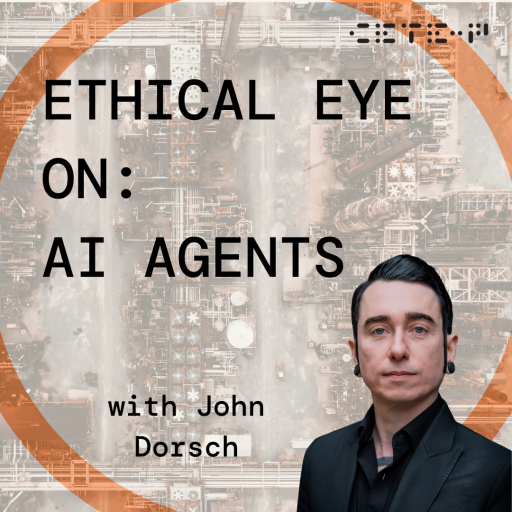
On Wednesday, 14 October, sessions on coexistence, conflict, and more-than-human worlds addressed caring relationships with AI, the ethical significance of chatbot companionship, human responsibilities toward wildlife, care within instrumental veterinary relationships, and embodied ecological entanglement. Patrick Butlin’s keynote, “Caring for Claude: LLM personas as potential moral patients”, brought questions of AI consciousness, persona, and potential moral patienthood into the conference’s wider inquiry about the appropriate objects of care. The programme concluded with a panel of the three keynote speakers, moderated by John Dorsch and Friderike Spang, followed by closing remarks.
Across the conference, several recurrent problems came into view. Participants’ contributions repeatedly asked whether care is primarily an attitude, a relationship, or a set of practices; how vulnerability, dependency, agency, and reciprocity shape obligations; and how competing interests should be weighed when care cannot be extended equally to everyone or everything. The comparison between animals, ecological systems, and AI was especially productive because it revealed both shared conceptual resources and important differences. The presentations raised the question of whether care requires sentience or moral patienthood, whether it can be justified by relations of dependence alone, and how institutions and technologies enable or obstruct responsible care.
The conference also established a basis for continued collaboration. A proposed special issue of Ethics and Society has received preliminary acceptance, with a call for papers planned and an explicit invitation for conference participants to submit. The proposed collection would bring together approximately 8–12 standalone research articles, extending the interdisciplinary conversation initiated in Prague.
Photos: Romana Kovacs


The three-day international conference Caring for Non-Humans, organised by CETE-P on 12–14 October 2026, brought together researchers working in philosophy, animal ethics and law, environmental humanities, sociology, art, and AI ethics. Held at the headquarters of the Czech Academy of Sciences in Prague, the event examined what it means to care for animals, environments, and artificial intelligence, and whether concepts and practices of care can travel meaningfully between these domains. Attendance varied across sessions, with approximately 30–50 people present at different points during the conference.
The programme was organised around three guiding questions: “What is Care?” (Monday), “Who Counts?” (Tuesday), and “Living Together in More-than-Human Worlds” (Wednesday). Seven thematic sessions and three keynote lectures connected conceptual debates about care with concrete practices, institutions, and relationships.
On Monday, 12 October, sessions on learning, understanding, and extending care considered how caring dispositions are cultivated and how relations of responsibility can be recognised across species and technologies. Contributions explored animal ethics education, human–equine co-learning, children’s judgments about animal experimentation, environmental emotions, authenticity in human–AI companionship, and reciprocal artistic practices with insects. The day concluded with Christine Hentschel’s keynote, “Caring for the ‘not yet’ after the ‘too late’, which examined reparative and preparatory forms of agency amid ecological loss and political catastrophe.
On Tuesday, 13 October, the focus shifted to moral status, standing, agency, and recognition. Presentations addressed speciesism and moral injury, tensions between care and killing in veterinary and hunting contexts, bovine–human coexistence, the rights of nature, bioart, artificial empathy, digital twins, and ecological translation. In her keynote, “From Reason to Relation: The Legal Promise of a Caring Family Framing for Animals”, Maneesha Deckha considered how legal frameworks might move beyond treating animals primarily as property and instead recognise their familial relationships and claims to care.
On Wednesday, 14 October, sessions on coexistence, conflict, and more-than-human worlds addressed caring relationships with AI, the ethical significance of chatbot companionship, human responsibilities toward wildlife, care within instrumental veterinary relationships, and embodied ecological entanglement. Patrick Butlin’s keynote, “Caring for Claude: LLM personas as potential moral patients”, brought questions of AI consciousness, persona, and potential moral patienthood into the conference’s wider inquiry about the appropriate objects of care. The programme concluded with a panel of the three keynote speakers, moderated by John Dorsch and Friderike Spang, followed by closing remarks.
Across the conference, several recurrent problems came into view. Participants’ contributions repeatedly asked whether care is primarily an attitude, a relationship, or a set of practices; how vulnerability, dependency, agency, and reciprocity shape obligations; and how competing interests should be weighed when care cannot be extended equally to everyone or everything. The comparison between animals, ecological systems, and AI was especially productive because it revealed both shared conceptual resources and important differences. The presentations raised the question of whether care requires sentience or moral patienthood, whether it can be justified by relations of dependence alone, and how institutions and technologies enable or obstruct responsible care.
The conference also established a basis for continued collaboration. A proposed special issue of Ethics and Society has received preliminary acceptance, with a call for papers planned and an explicit invitation for conference participants to submit. The proposed collection would bring together approximately 8–12 standalone research articles, extending the interdisciplinary conversation initiated in Prague.
Photos: Romana Kovacs
•• All News
Celetná 988/38
Prague 1
Czech Republic
This project receives funding from the Horizon EU Framework Programme under Grant Agreement No. 101086898.