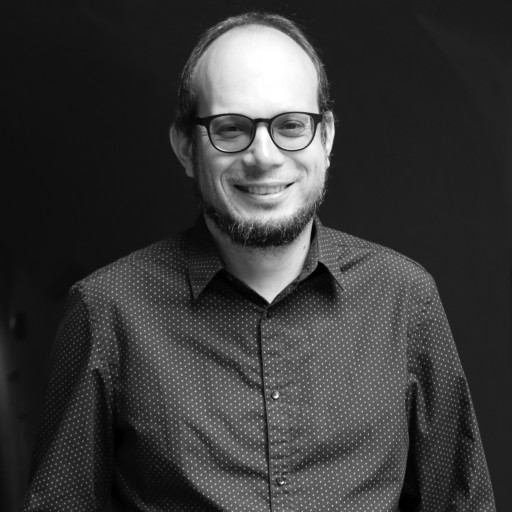
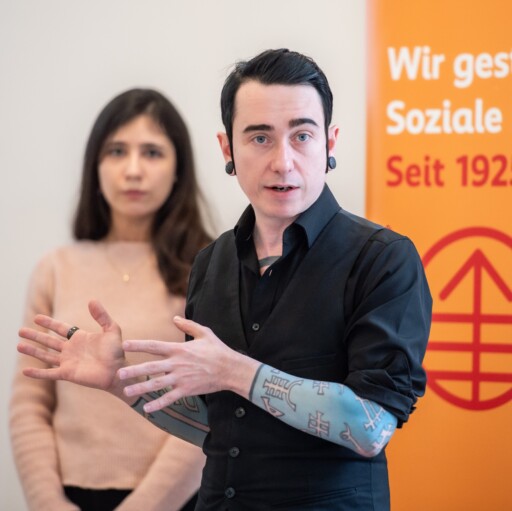
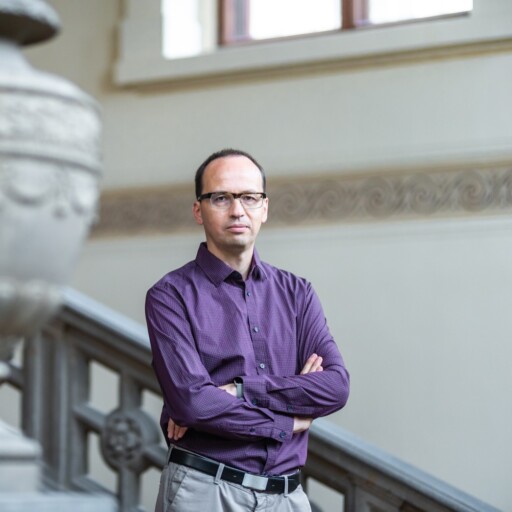
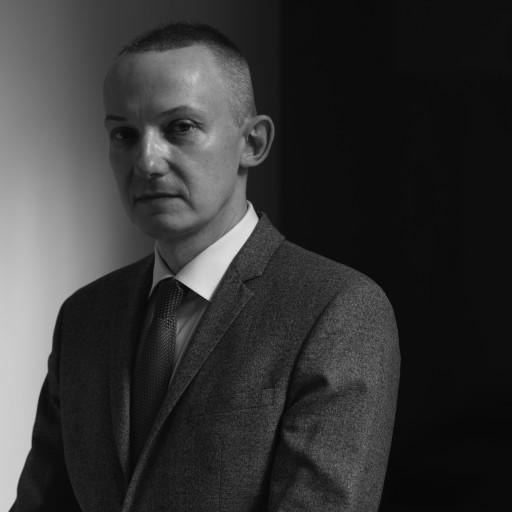
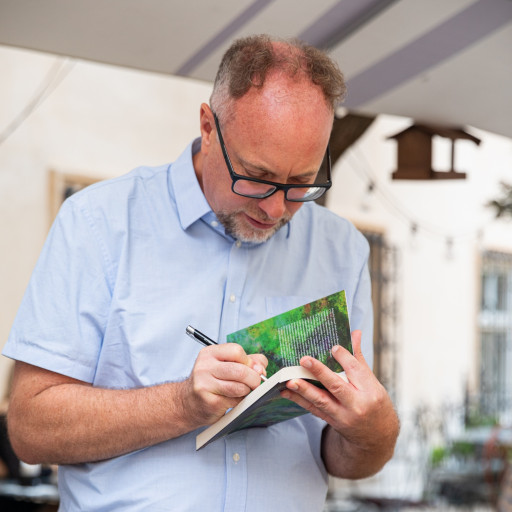
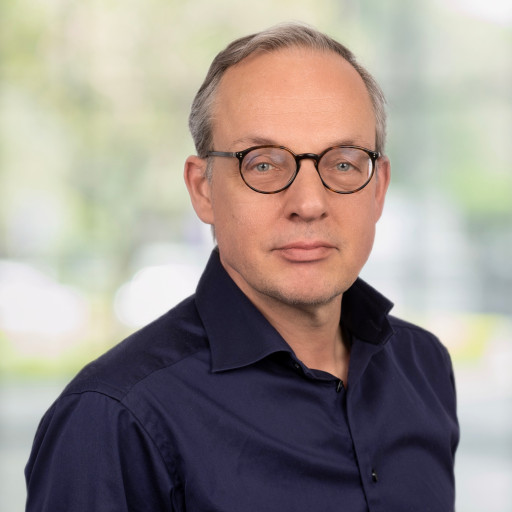
From 13 till 15 September 2026, CETE-P hosted Mario Verdicchio, who is associate professor of Logic and Philosophy of Science at the University of Bergamo. With background in computer science and philosophy, Mario's work focuses on AI ethics, philosophy of mind and computation, as well as computer art. He has co-founded xCoAx, an international conference exploring computation, communication, and aesthetics.
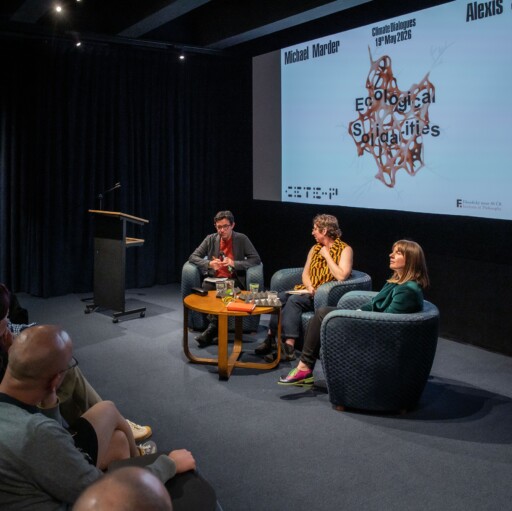
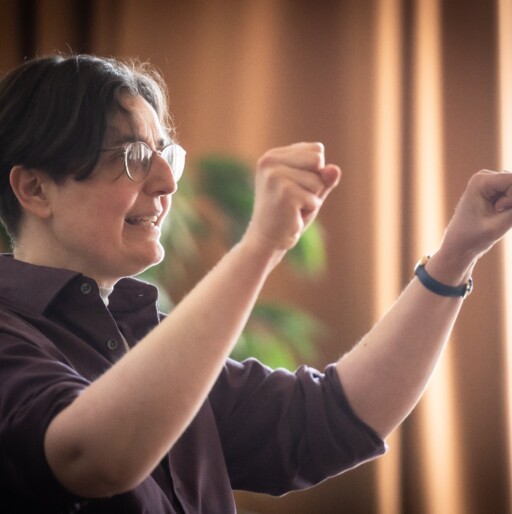
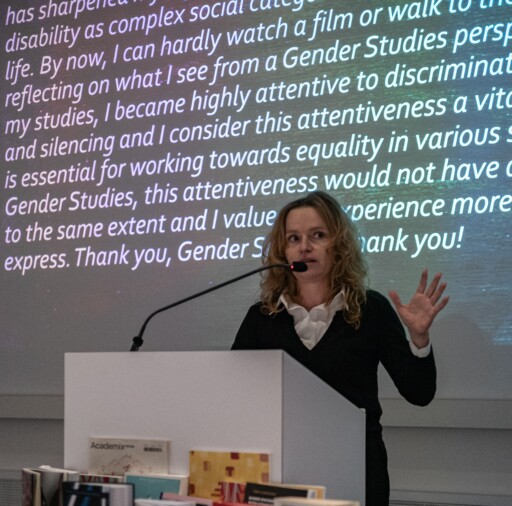
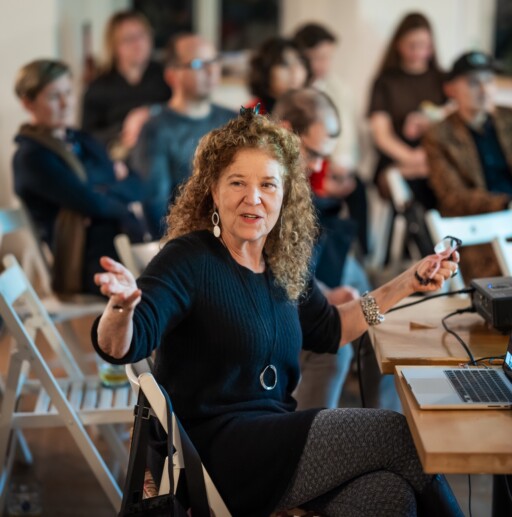
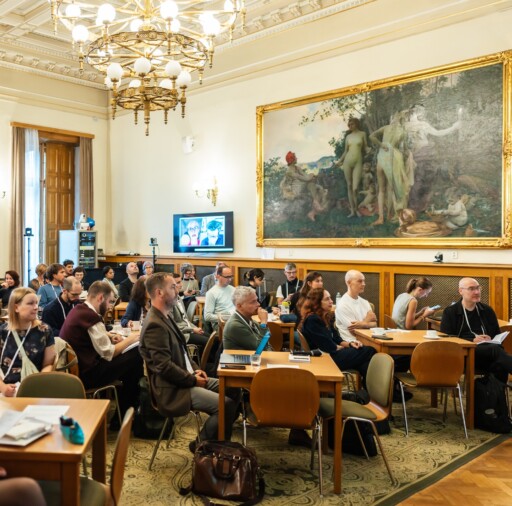
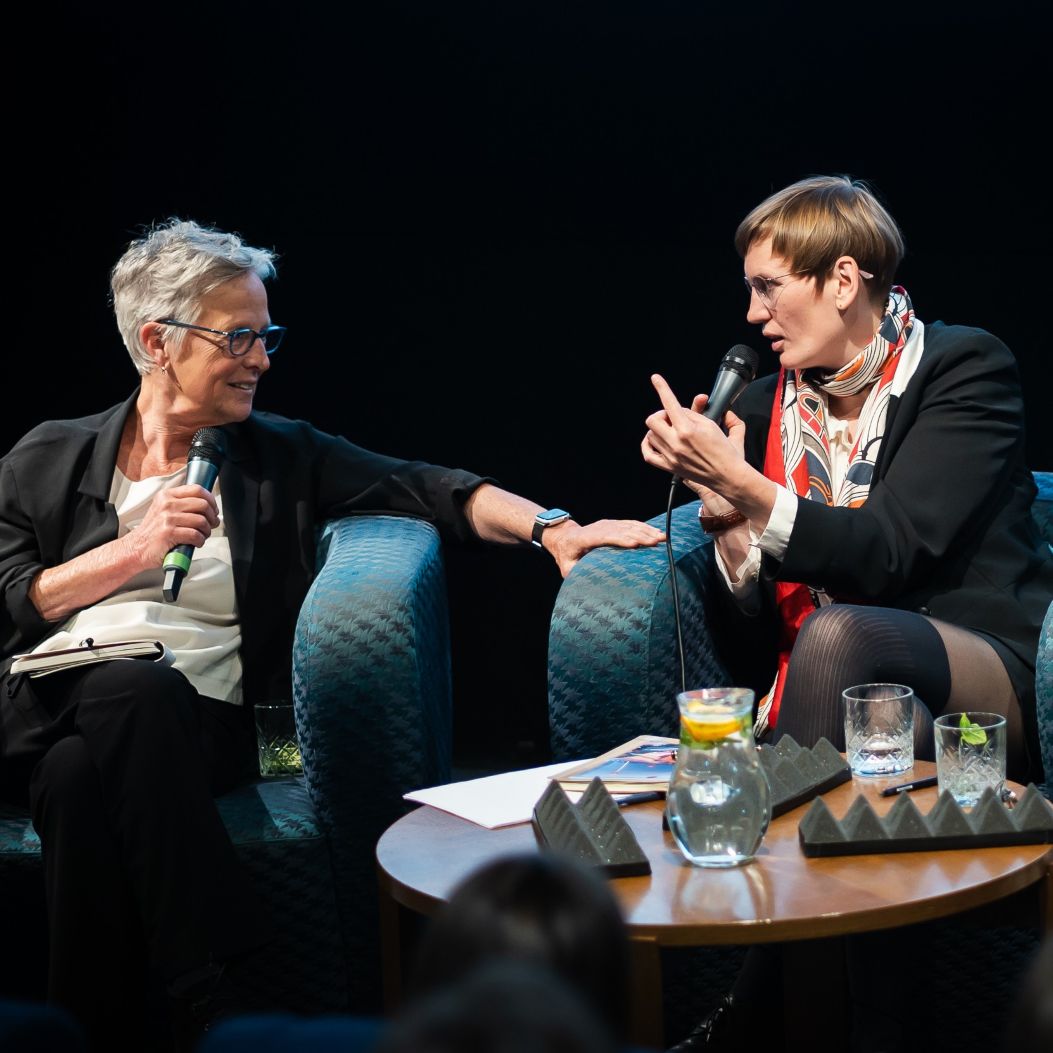
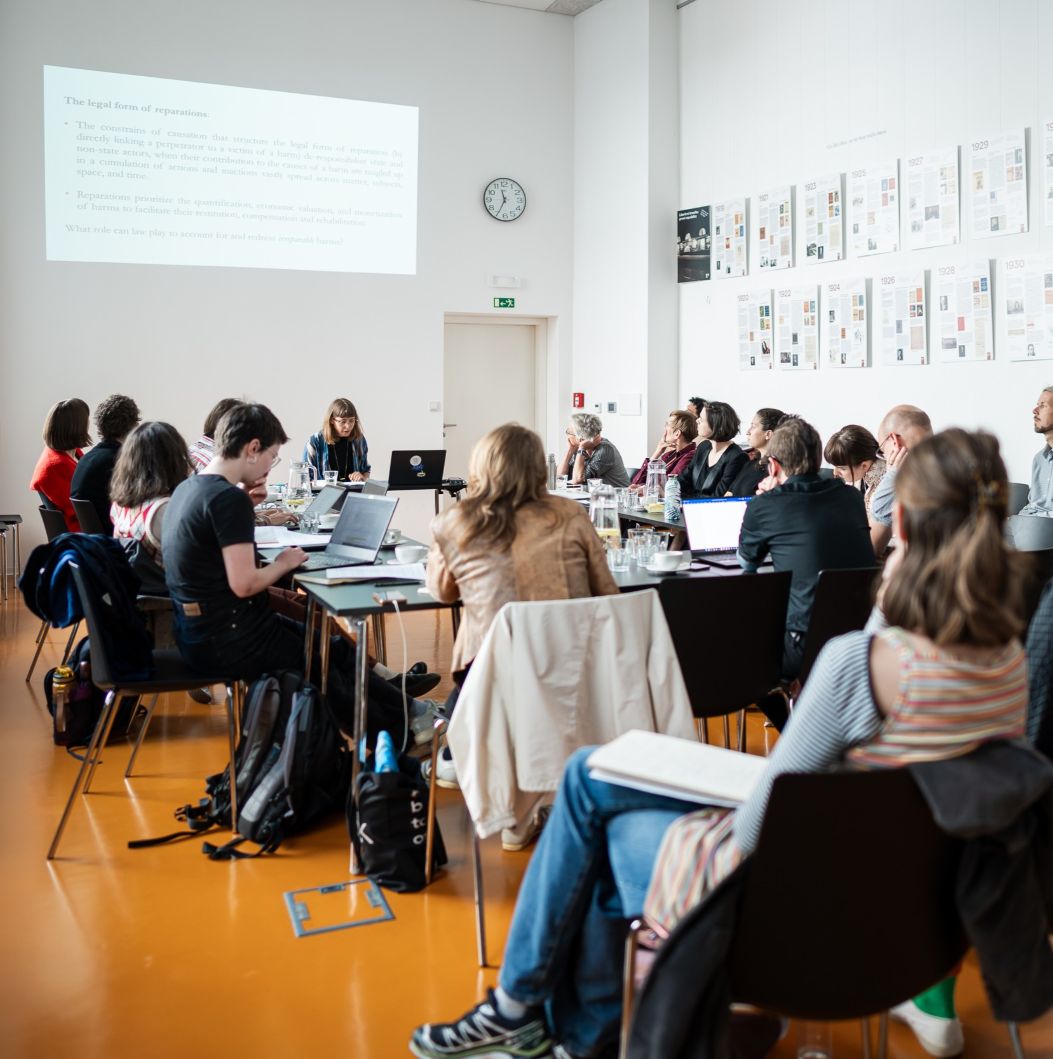
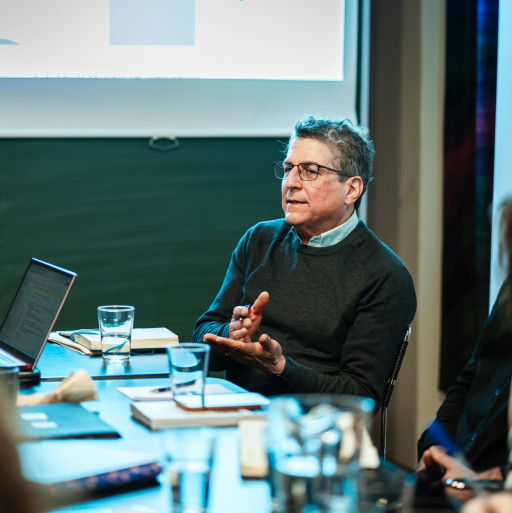
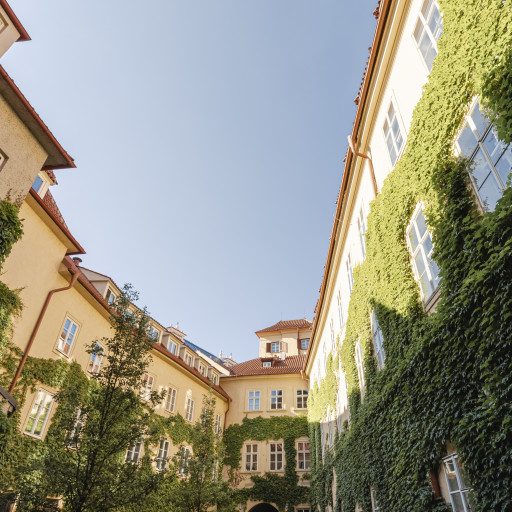
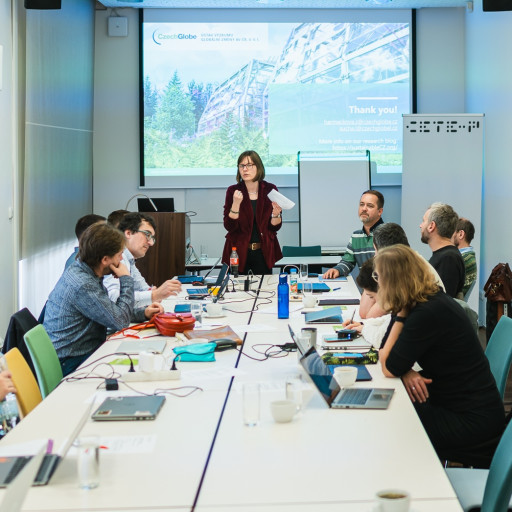
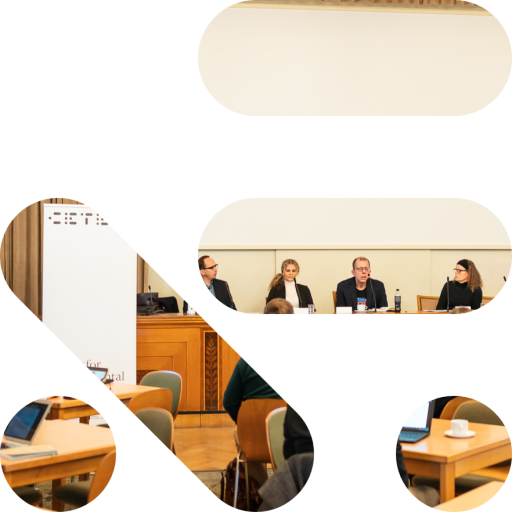
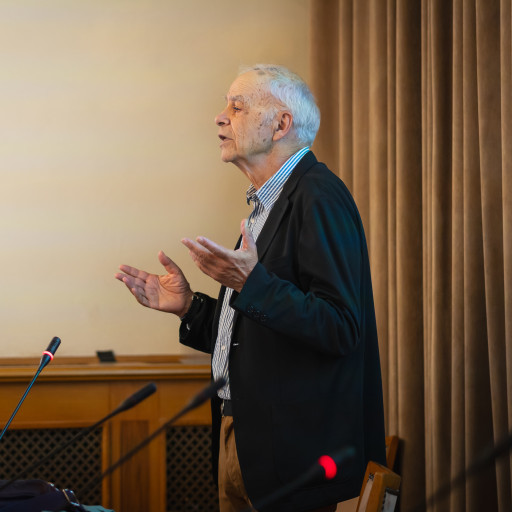
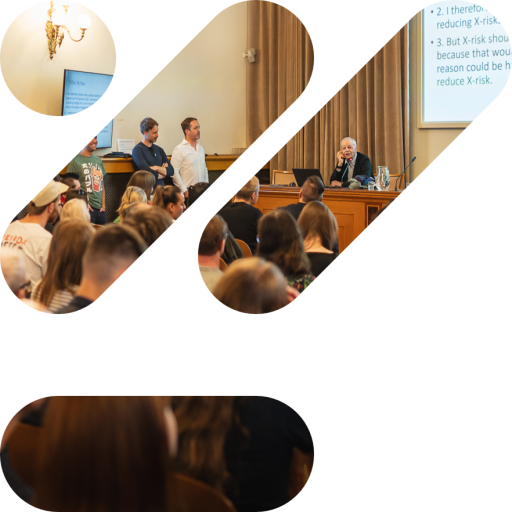
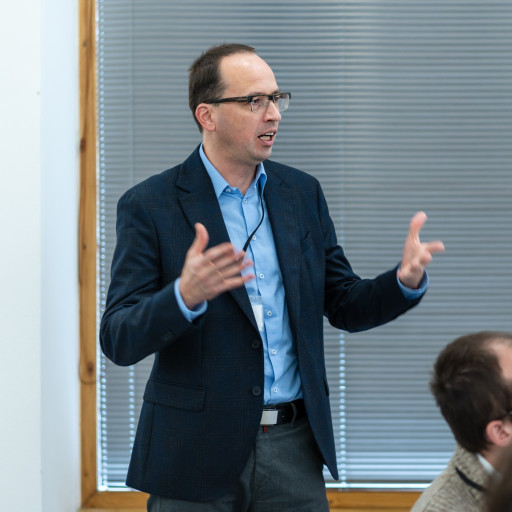
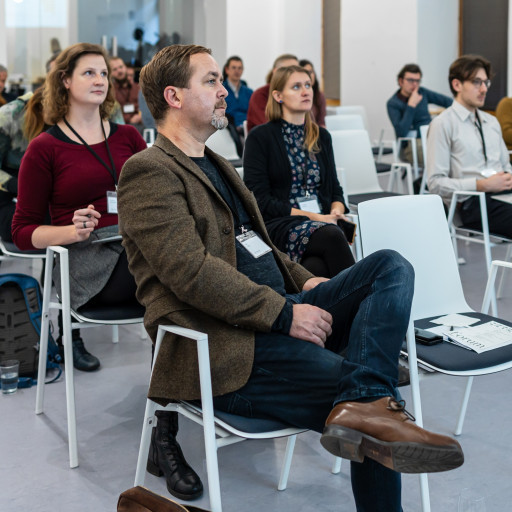
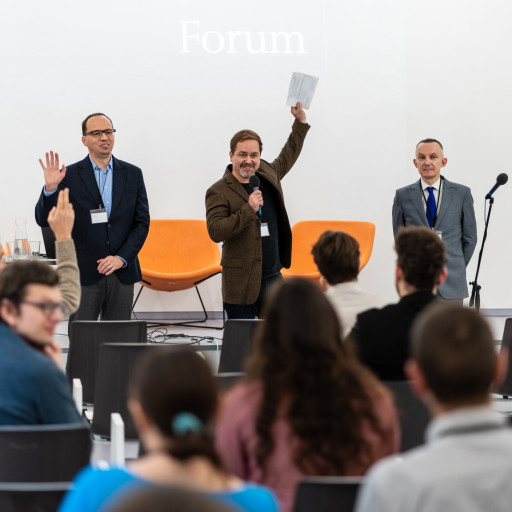
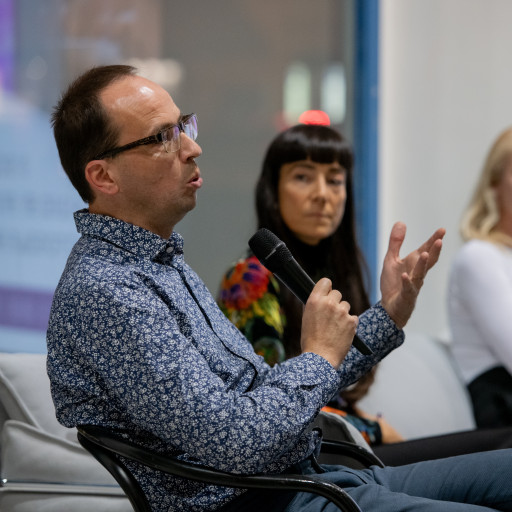
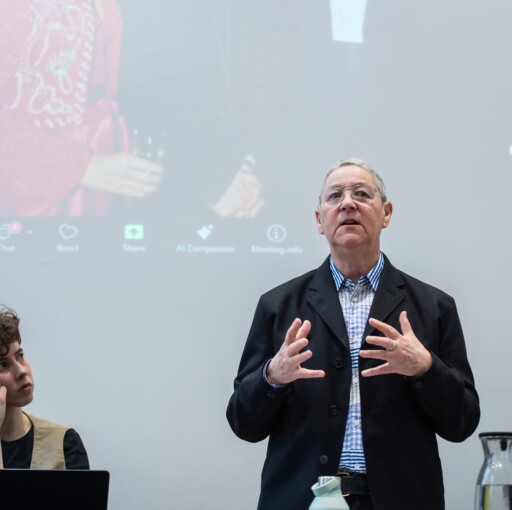
Mario's lecture, entitled "Critical Perspectives on Digital Art" took place on Monday, September 14, 2026 at the Institute of Philosophy, Jilská 1, Prague 1. During hist talk, he presented a compelling argument that even though the relationships between technology and artistic creations evolve, the human experience remains a central element in what distinguishes computer art from mere technical implementation. Overall, the lecture was attended by a diverse group of researchers — including collaborators on the HumanAId projects—from institutions such as the Institute of Philosophy CAS, Faculty of Arts of Charles University, Film and TV School of Academy of Performing Arts in Prague, The Academy of Fine Arts in Prague, Masaryk University, Silesian University.

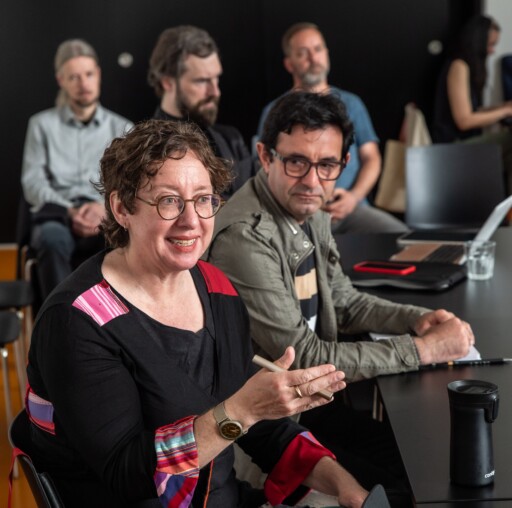
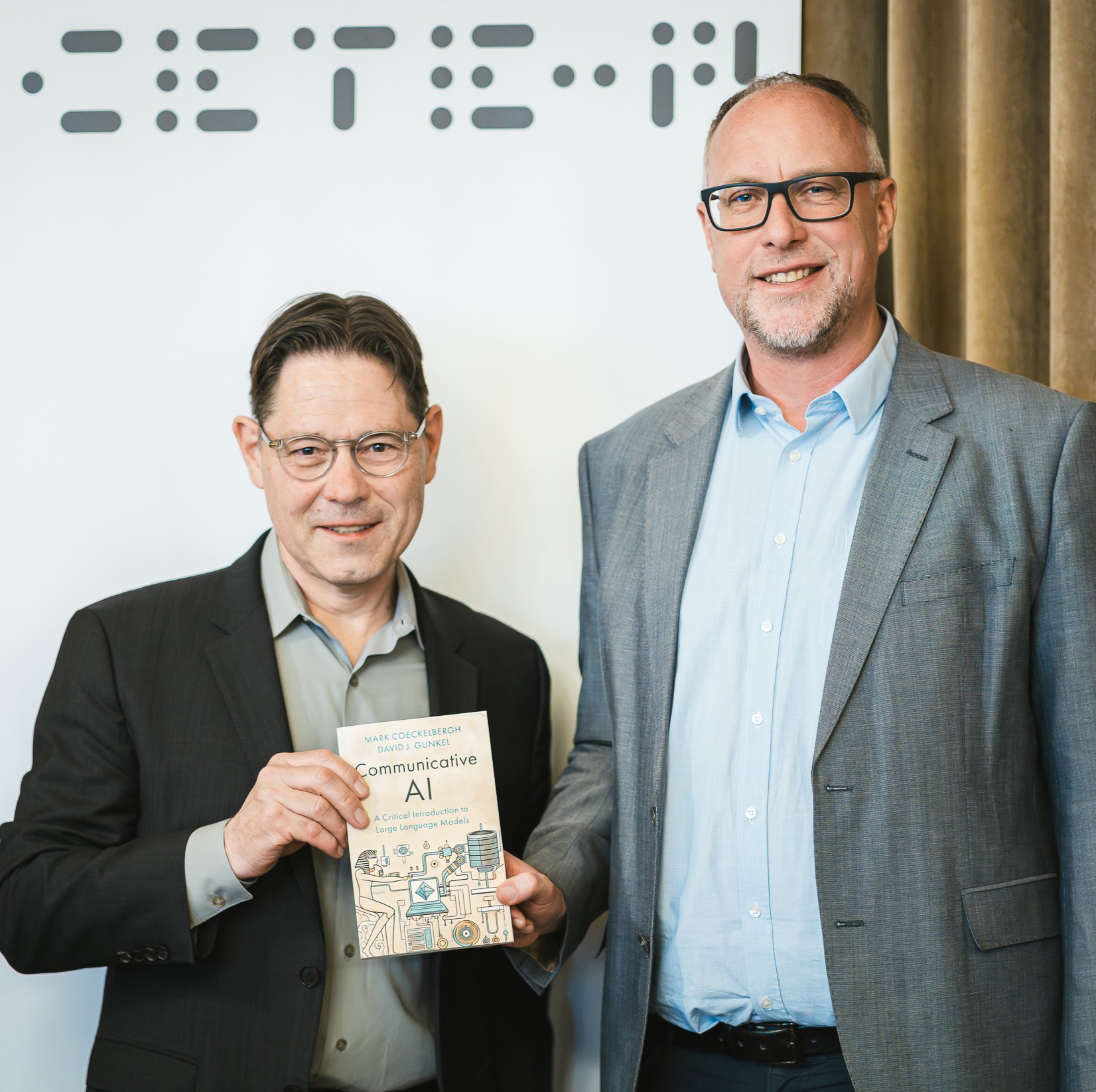
Mario's program in Prague involved several other activities, such as formal and informal interactions with the CETE-P research staff and lecture attendees to discuss potential synergies in research interests and possible future collaboration. Mario also met with several HumanAId researchers in a more formal setting to discuss prospective collaboration, including the possibility of hosting a research stay of one of the project's PhD researchers at his institution in Bergamo.
Mario's visit was organized as part of the project Human-centred AI for a Sustainable and Adaptive Society (HumanAId, reg. no. CZ.02.01.01/00/23_025/0008691), implemented by the Institute of Philosophy CAS. The main objective of the project is to develop methodologies and tools that will enable the potential of large language models (LLMs) to be used in a way that is in line with the value and normative requirements of specific users in civil society and government.


From 13 till 15 September 2026, CETE-P hosted Mario Verdicchio, who is associate professor of Logic and Philosophy of Science at the University of Bergamo. With background in computer science and philosophy, Mario's work focuses on AI ethics, philosophy of mind and computation, as well as computer art. He has co-founded xCoAx, an international conference exploring computation, communication, and aesthetics.
Mario's lecture, entitled "Critical Perspectives on Digital Art" took place on Monday, September 14, 2026 at the Institute of Philosophy, Jilská 1, Prague 1. During hist talk, he presented a compelling argument that even though the relationships between technology and artistic creations evolve, the human experience remains a central element in what distinguishes computer art from mere technical implementation. Overall, the lecture was attended by a diverse group of researchers — including collaborators on the HumanAId projects—from institutions such as the Institute of Philosophy CAS, Faculty of Arts of Charles University, Film and TV School of Academy of Performing Arts in Prague, The Academy of Fine Arts in Prague, Masaryk University, Silesian University.
Mario's program in Prague involved several other activities, such as formal and informal interactions with the CETE-P research staff and lecture attendees to discuss potential synergies in research interests and possible future collaboration. Mario also met with several HumanAId researchers in a more formal setting to discuss prospective collaboration, including the possibility of hosting a research stay of one of the project's PhD researchers at his institution in Bergamo.
Mario's visit was organized as part of the project Human-centred AI for a Sustainable and Adaptive Society (HumanAId, reg. no. CZ.02.01.01/00/23_025/0008691), implemented by the Institute of Philosophy CAS. The main objective of the project is to develop methodologies and tools that will enable the potential of large language models (LLMs) to be used in a way that is in line with the value and normative requirements of specific users in civil society and government.

•• All News
Celetná 988/38
Prague 1
Czech Republic
This project receives funding from the Horizon EU Framework Programme under Grant Agreement No. 101086898.