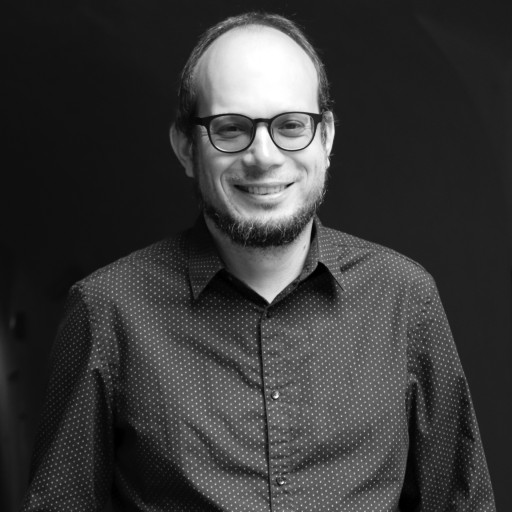
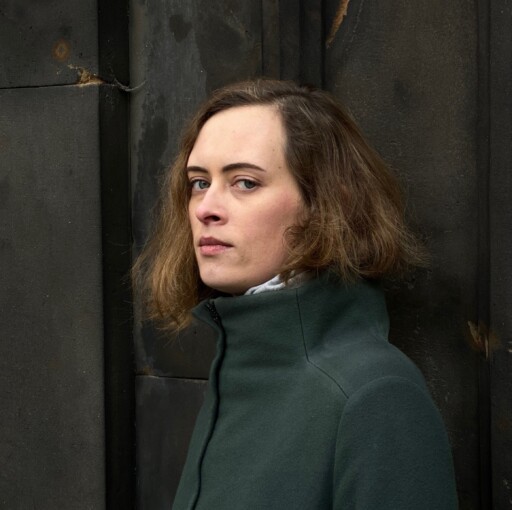
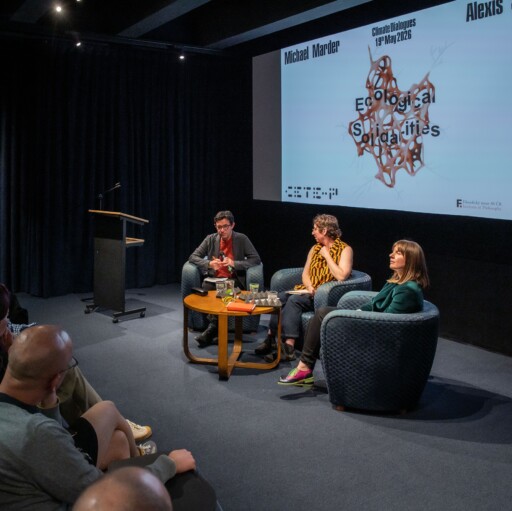
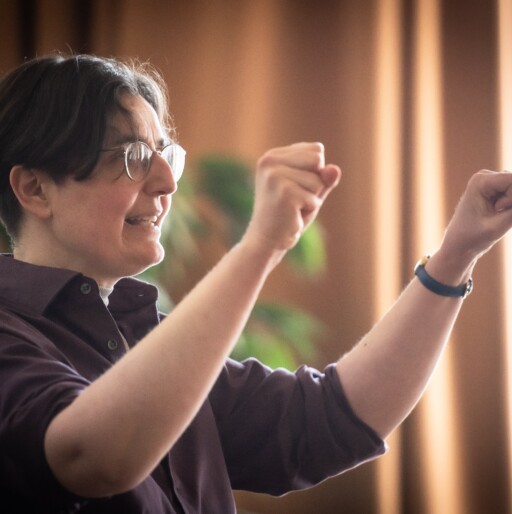
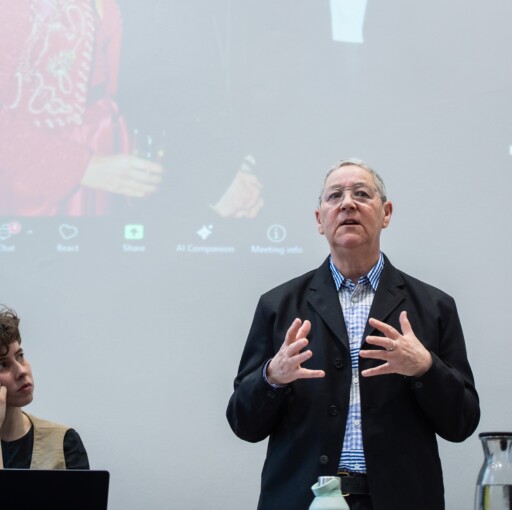
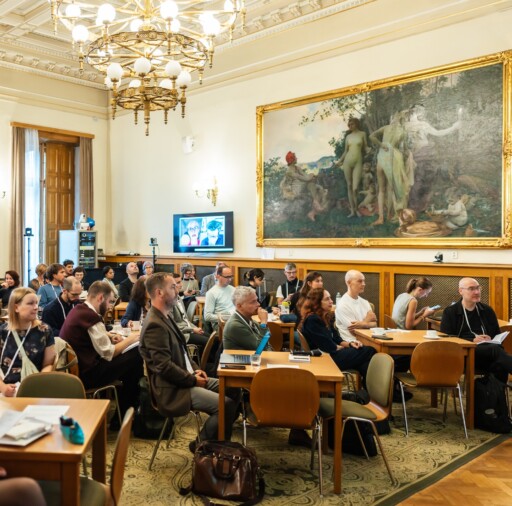
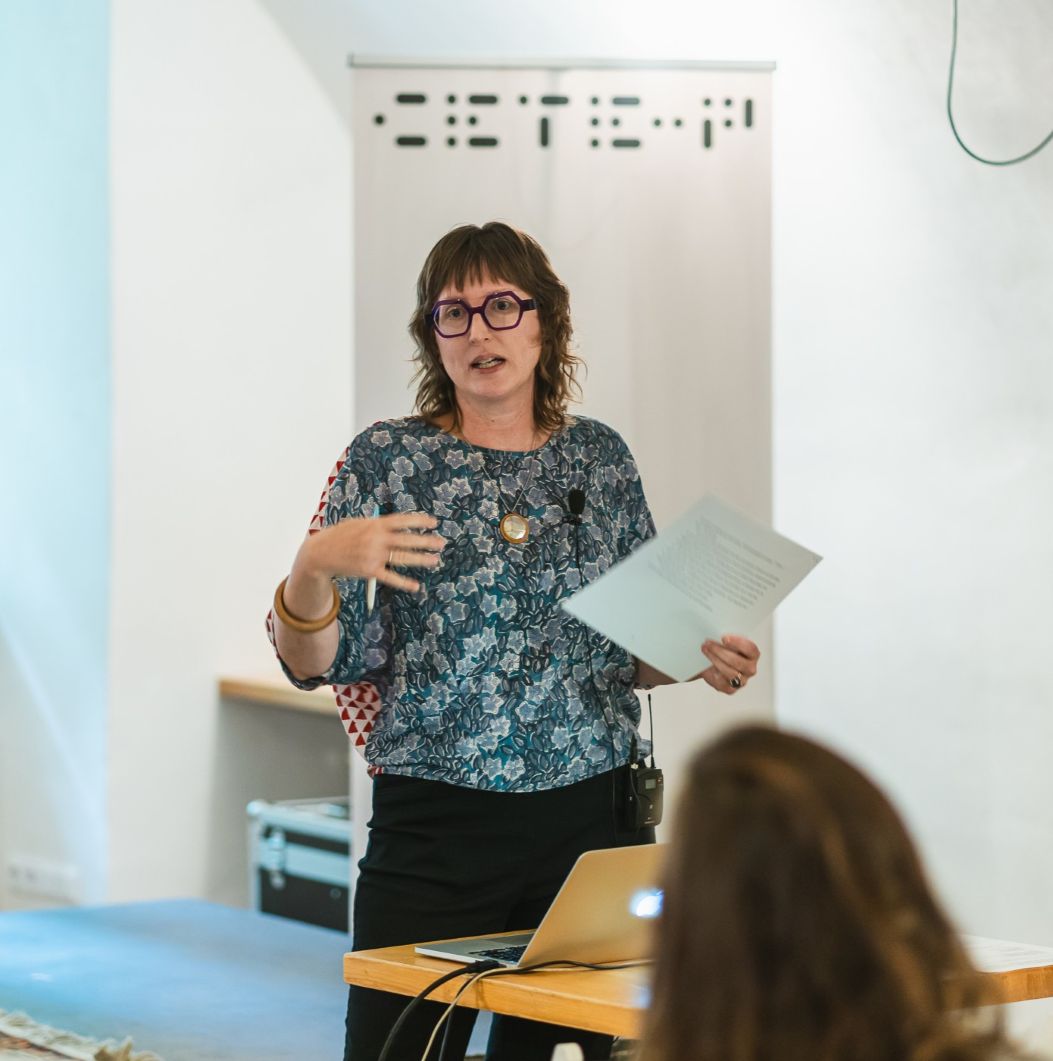
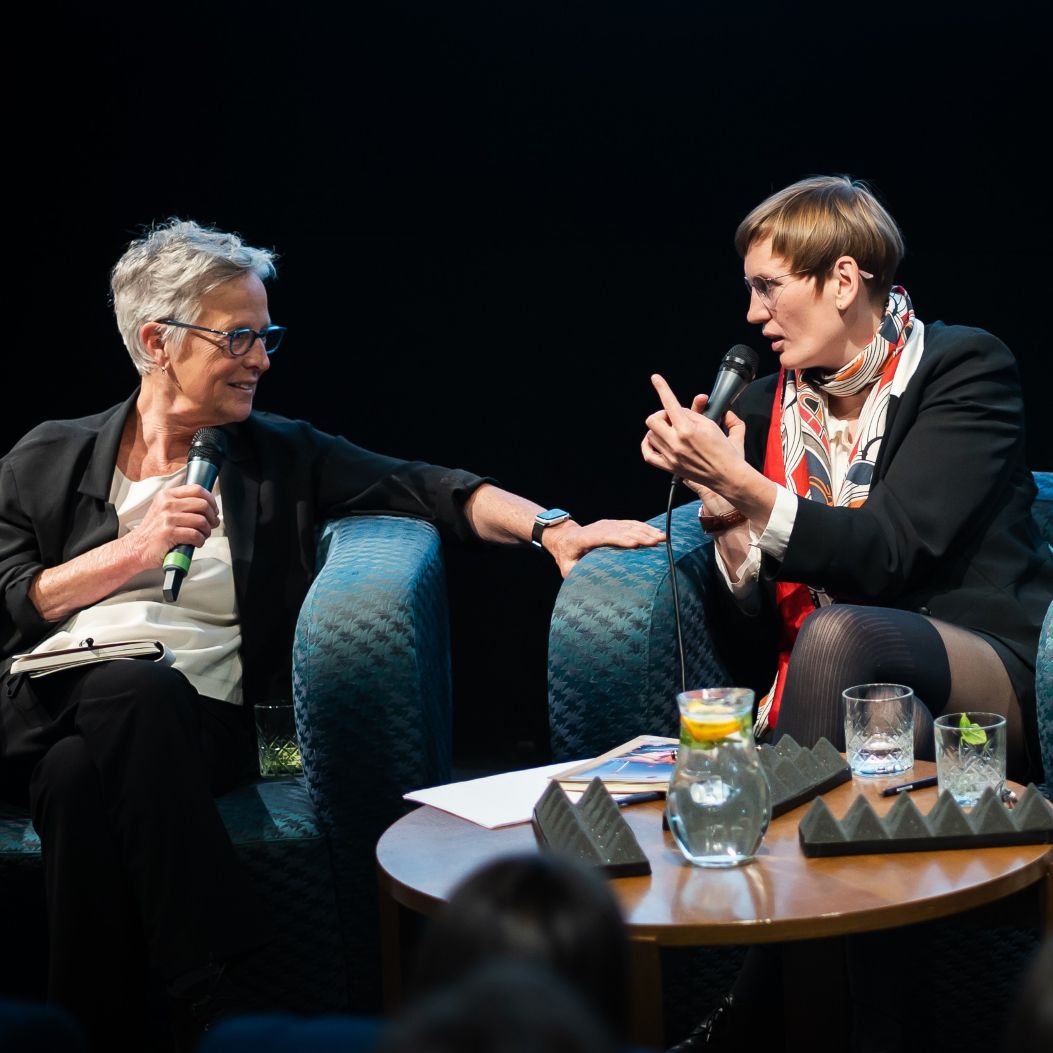
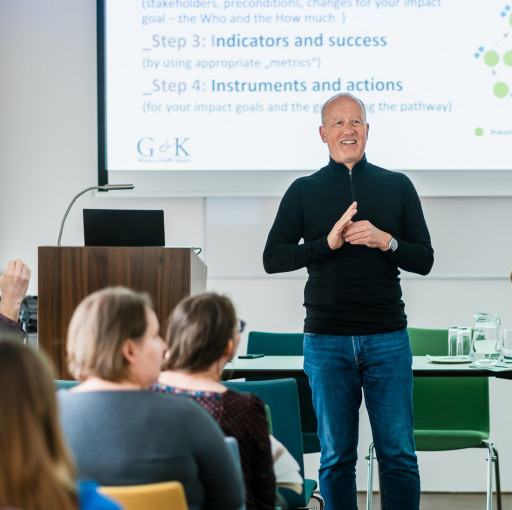
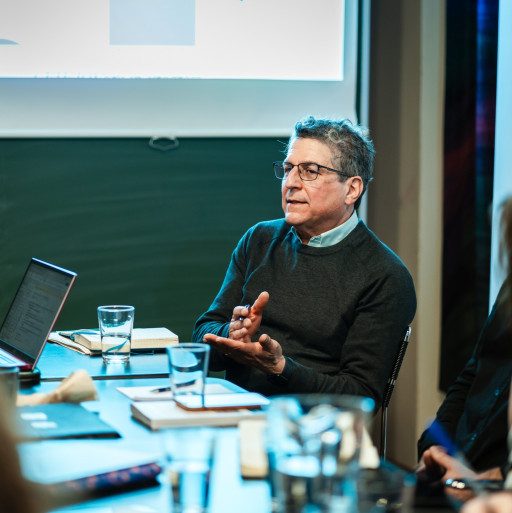
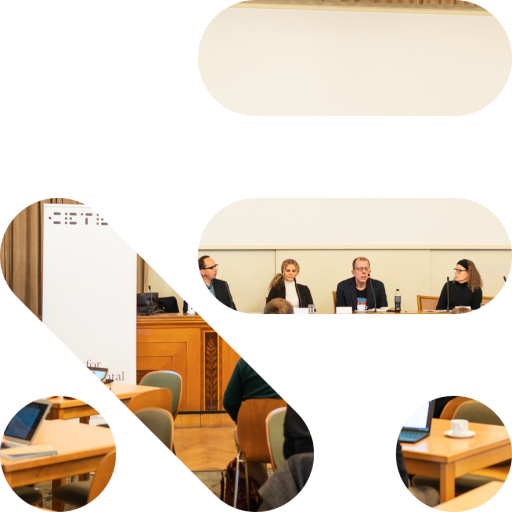
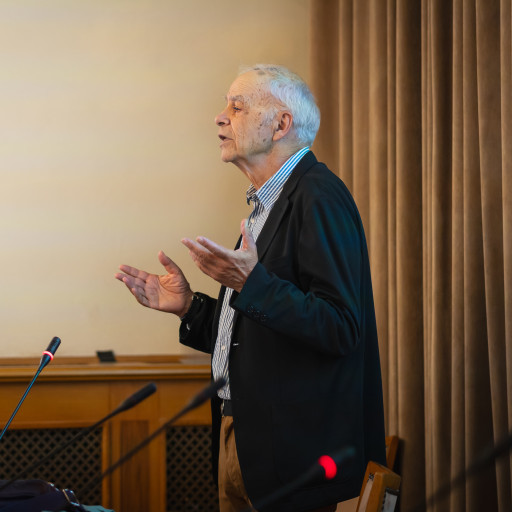
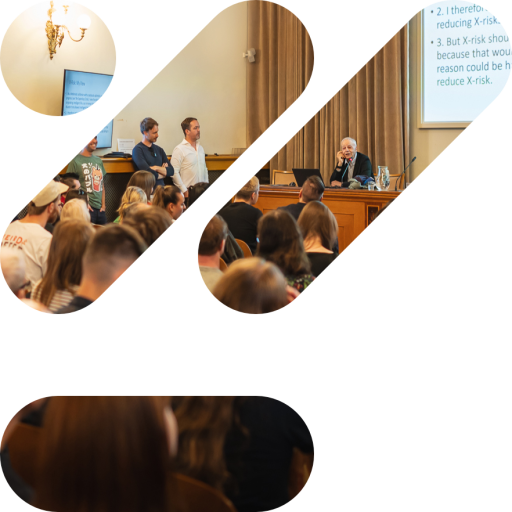
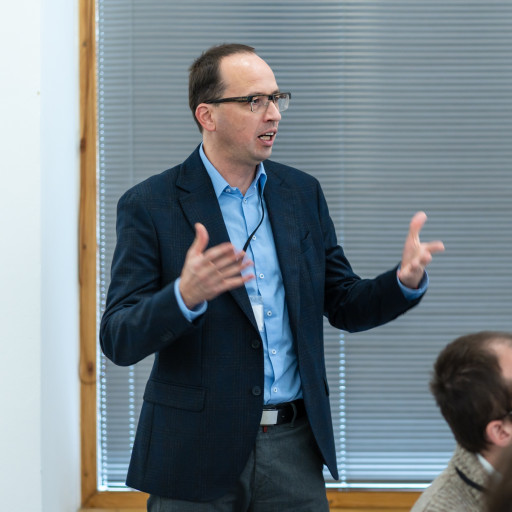
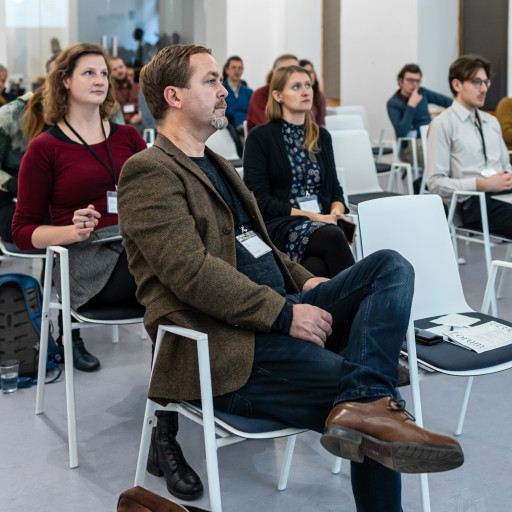
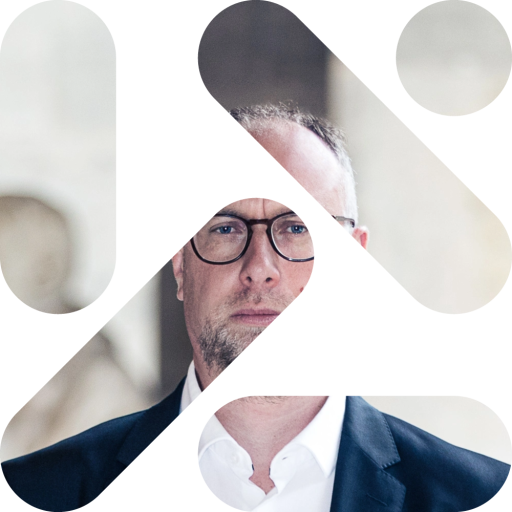
On 16 September 2026 CETE-P hosted two talks in the area of philosophy of physics given by researchers from the University of Helsinki. Paavo Pylkkänen, the distinguished figure in consciousness studies, presented his talk, called Interactive Dual Aspect Monism: A View Inspired by Bohm's Interpretation of Quantum Theory on the Bohmian notion of information that could be utilized to explicate the hard problem of consciousness. Paavo showed how the early work of Bohm, in combination with newer interpretations of the quantum theory, opens up the door for defenders of intrinsic phenomenal properties to place them into the order of nature. That is why the theory he offered is called dual-aspect monism: there is only one fundamental feature of the universe, but it manifests itself in two distinct forms. The talk was attended by researchers of various backgrounds, broader than usual CETE-P audience is. They asked questions, gave feedback and enjoyed the friendly atmosphere.

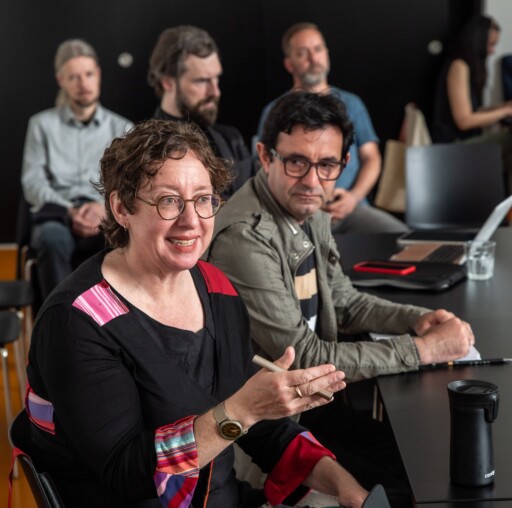
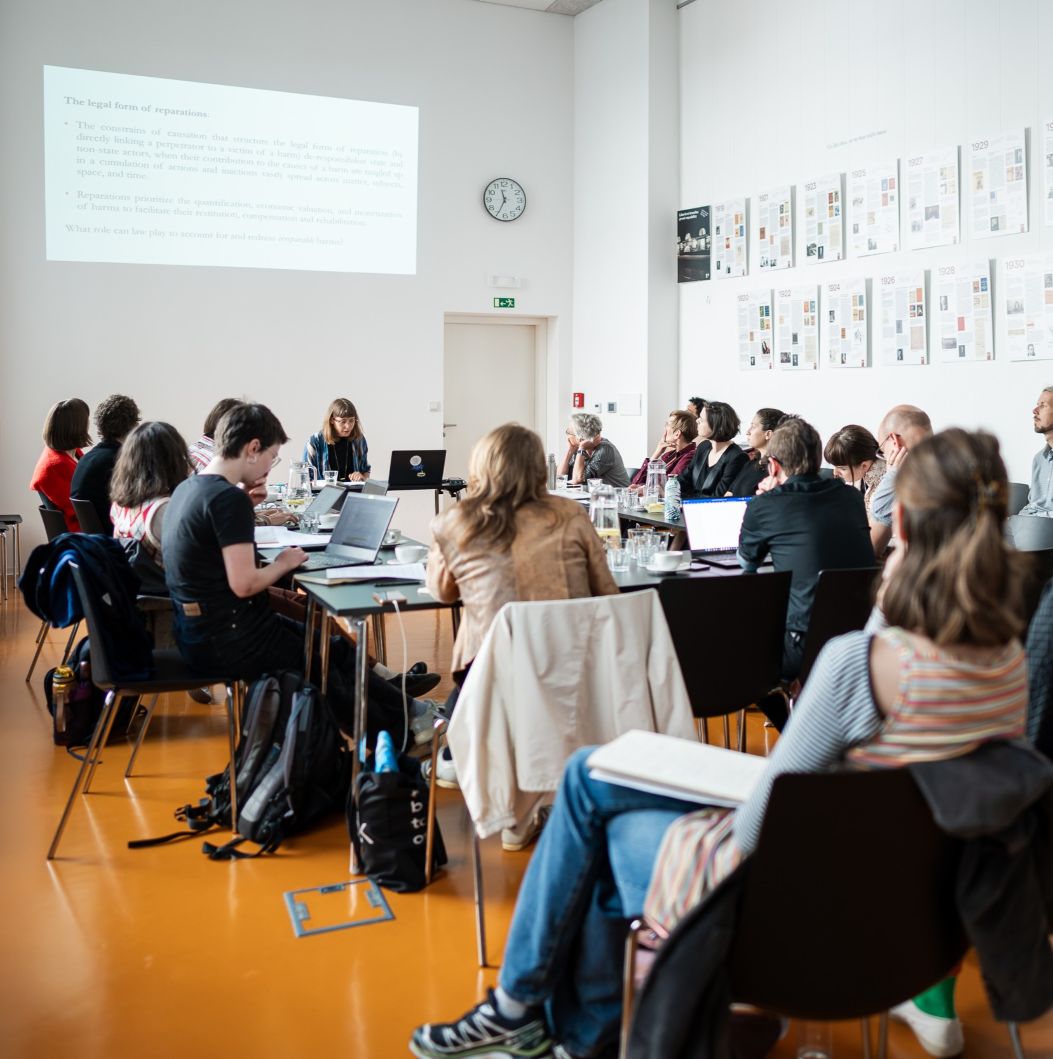
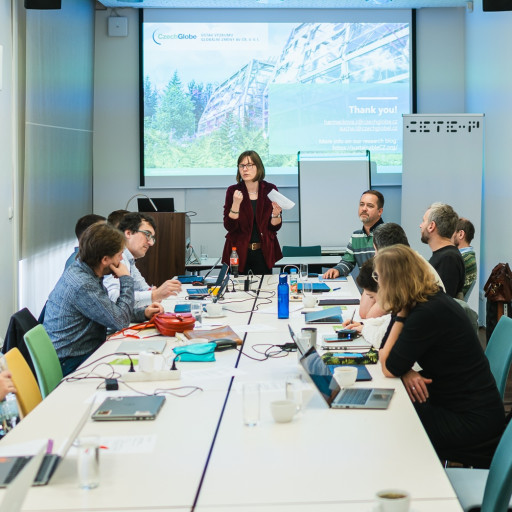
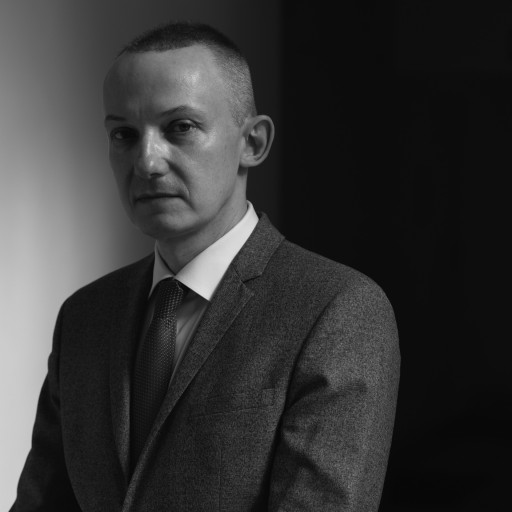
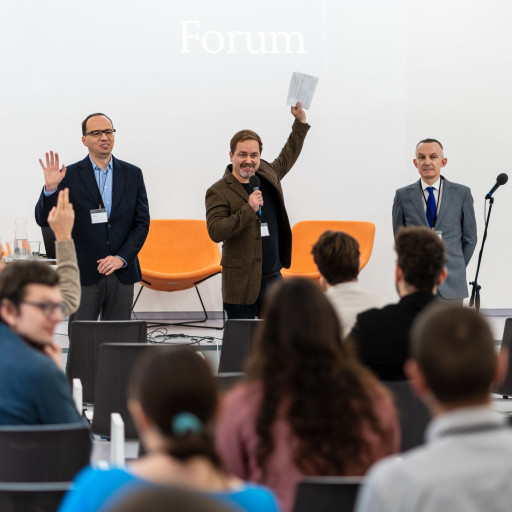
Paavo’s talk was followed by a presentation of his postdoctoral researcher, Armin Styrman, with his talk, called Unifying power as a quantitative criterion for fundamental physical theories. While staying within the field of philosophy of science, he addressed a broader topic of a theory preference. There has been a long debate on how to classify and choose among competing theories that explain the same set of phenomena. Armin offered his own account and, interestingly, argued against the approached of one of our colleagues from CETE-P, Juraj Hvorecký. Juraj, together with his Polish colleague Marcin Milkowski, published a paper on the same topic recently and Armin has criticized their strategy to address the issue. Needless to say, with Juraj being present at the talk, there was a lively exchange about some basic premises and assumptions of both papers, followed by informal exchanges among the participants. Despite bringing in the topics that are distant from the core topics of CETE-P, the lectures brough in a new set of inspiring ideas.

Lectures have been funded by a grant from the Programme Johannes Amos Comenius under the Ministry of Education, Youth and Sports of the Czech Republic, CZ.02.01.01/00/23_025/0008711.


On 16 September 2026 CETE-P hosted two talks in the area of philosophy of physics given by researchers from the University of Helsinki. Paavo Pylkkänen, the distinguished figure in consciousness studies, presented his talk, called Interactive Dual Aspect Monism: A View Inspired by Bohm's Interpretation of Quantum Theory on the Bohmian notion of information that could be utilized to explicate the hard problem of consciousness. Paavo showed how the early work of Bohm, in combination with newer interpretations of the quantum theory, opens up the door for defenders of intrinsic phenomenal properties to place them into the order of nature. That is why the theory he offered is called dual-aspect monism: there is only one fundamental feature of the universe, but it manifests itself in two distinct forms. The talk was attended by researchers of various backgrounds, broader than usual CETE-P audience is. They asked questions, gave feedback and enjoyed the friendly atmosphere.
Paavo’s talk was followed by a presentation of his postdoctoral researcher, Armin Styrman, with his talk, called Unifying power as a quantitative criterion for fundamental physical theories. While staying within the field of philosophy of science, he addressed a broader topic of a theory preference. There has been a long debate on how to classify and choose among competing theories that explain the same set of phenomena. Armin offered his own account and, interestingly, argued against the approached of one of our colleagues from CETE-P, Juraj Hvorecký. Juraj, together with his Polish colleague Marcin Milkowski, published a paper on the same topic recently and Armin has criticized their strategy to address the issue. Needless to say, with Juraj being present at the talk, there was a lively exchange about some basic premises and assumptions of both papers, followed by informal exchanges among the participants. Despite bringing in the topics that are distant from the core topics of CETE-P, the lectures brough in a new set of inspiring ideas.
Lectures have been funded by a grant from the Programme Johannes Amos Comenius under the Ministry of Education, Youth and Sports of the Czech Republic, CZ.02.01.01/00/23_025/0008711.

•• All News
Celetná 988/38
Prague 1
Czech Republic
This project receives funding from the Horizon EU Framework Programme under Grant Agreement No. 101086898.