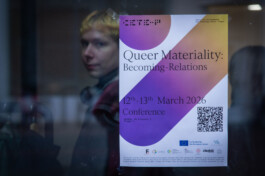
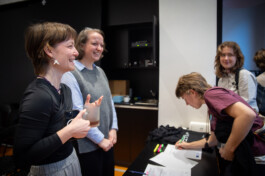
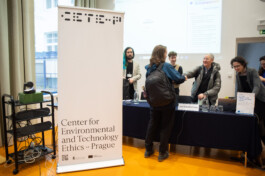
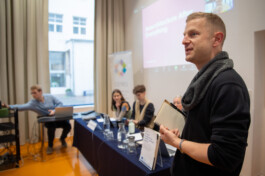
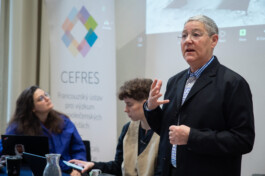
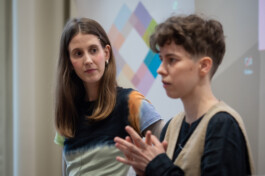
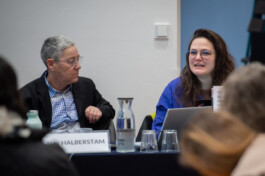
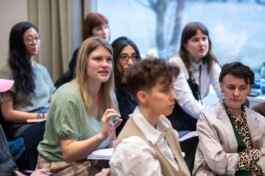
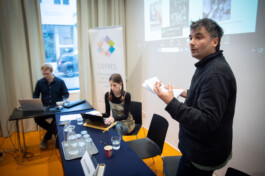
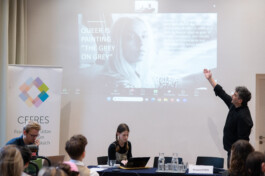
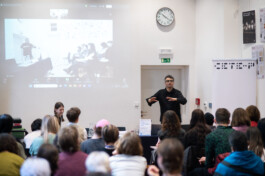
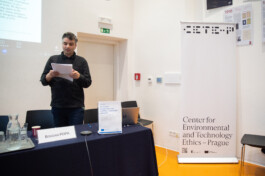
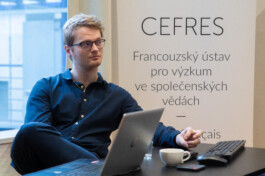
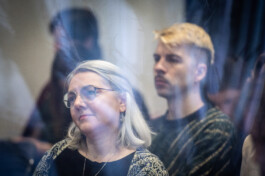
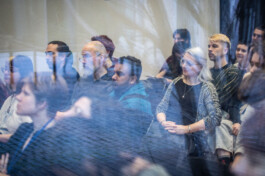
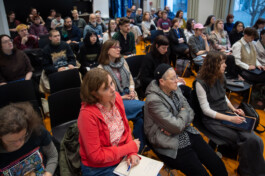
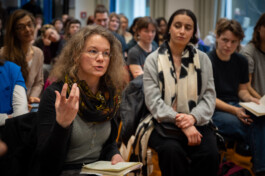
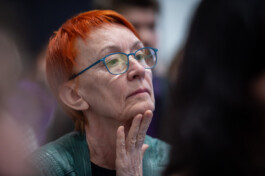
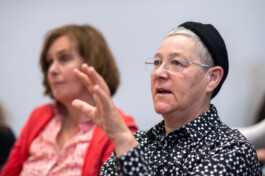
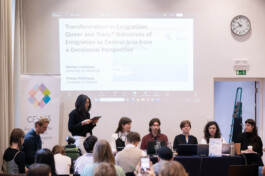
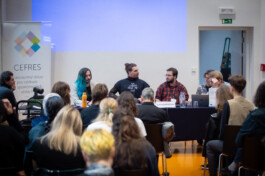
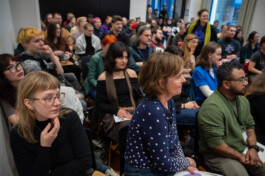
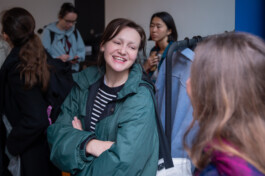
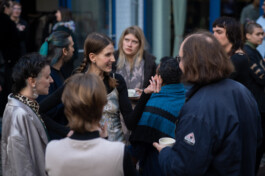
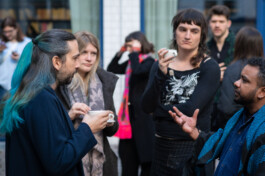
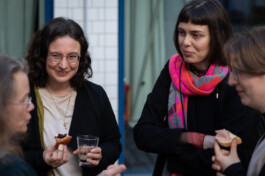
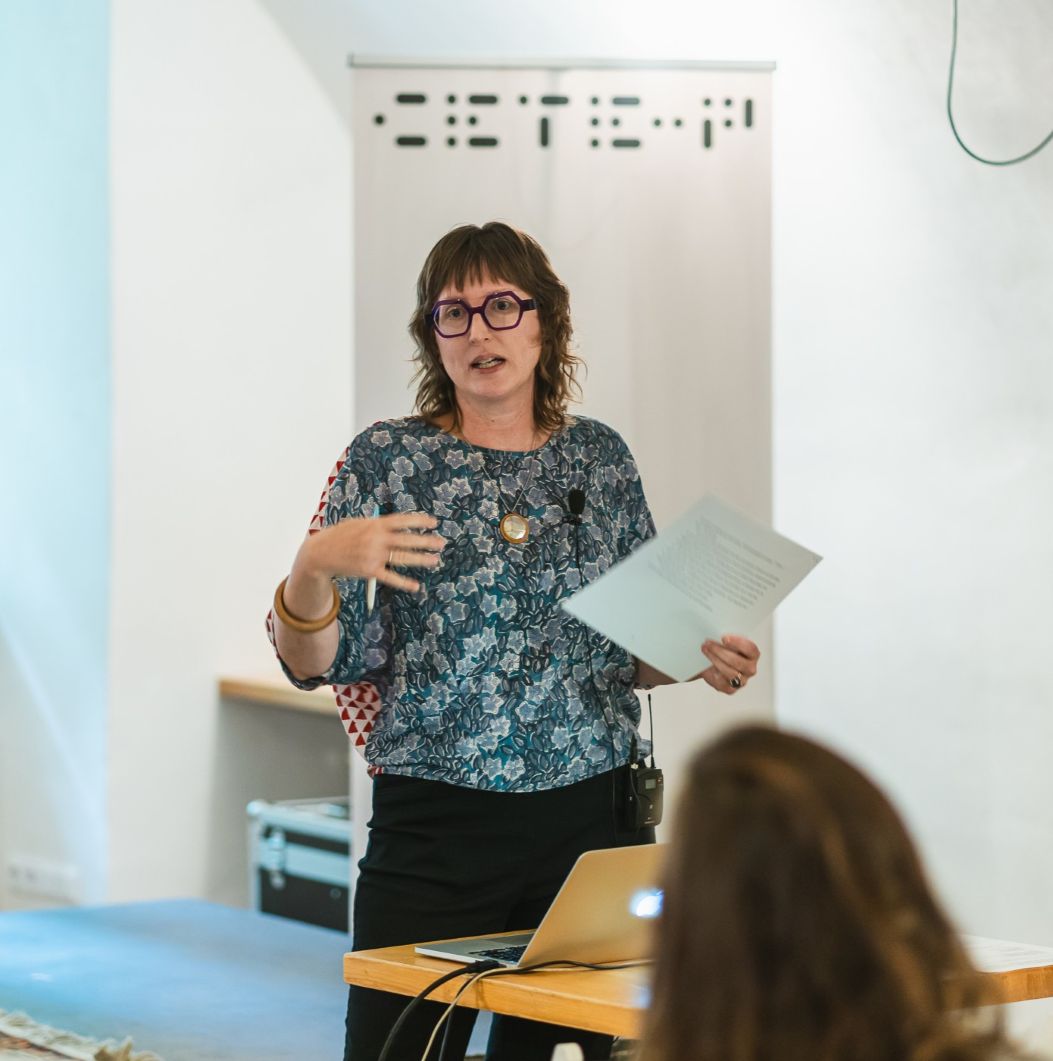
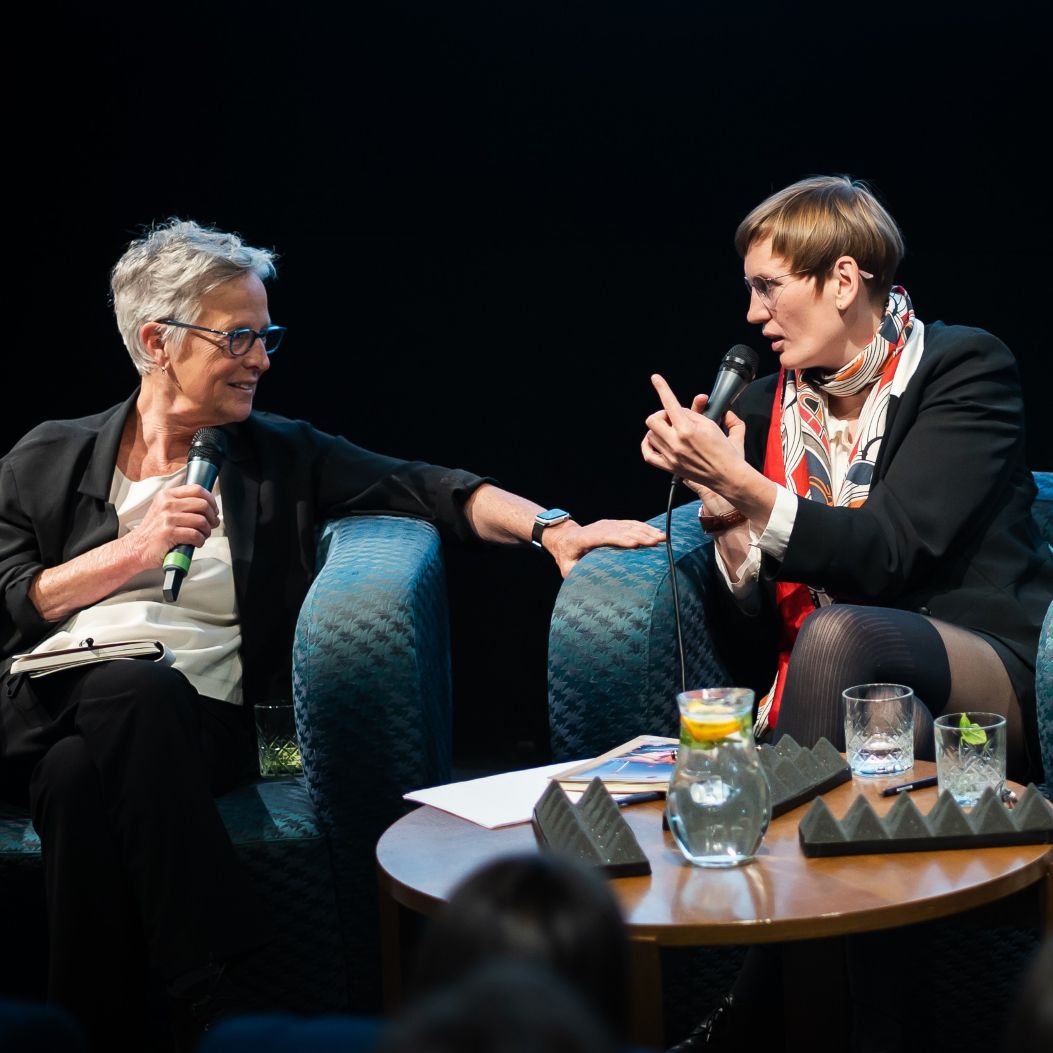
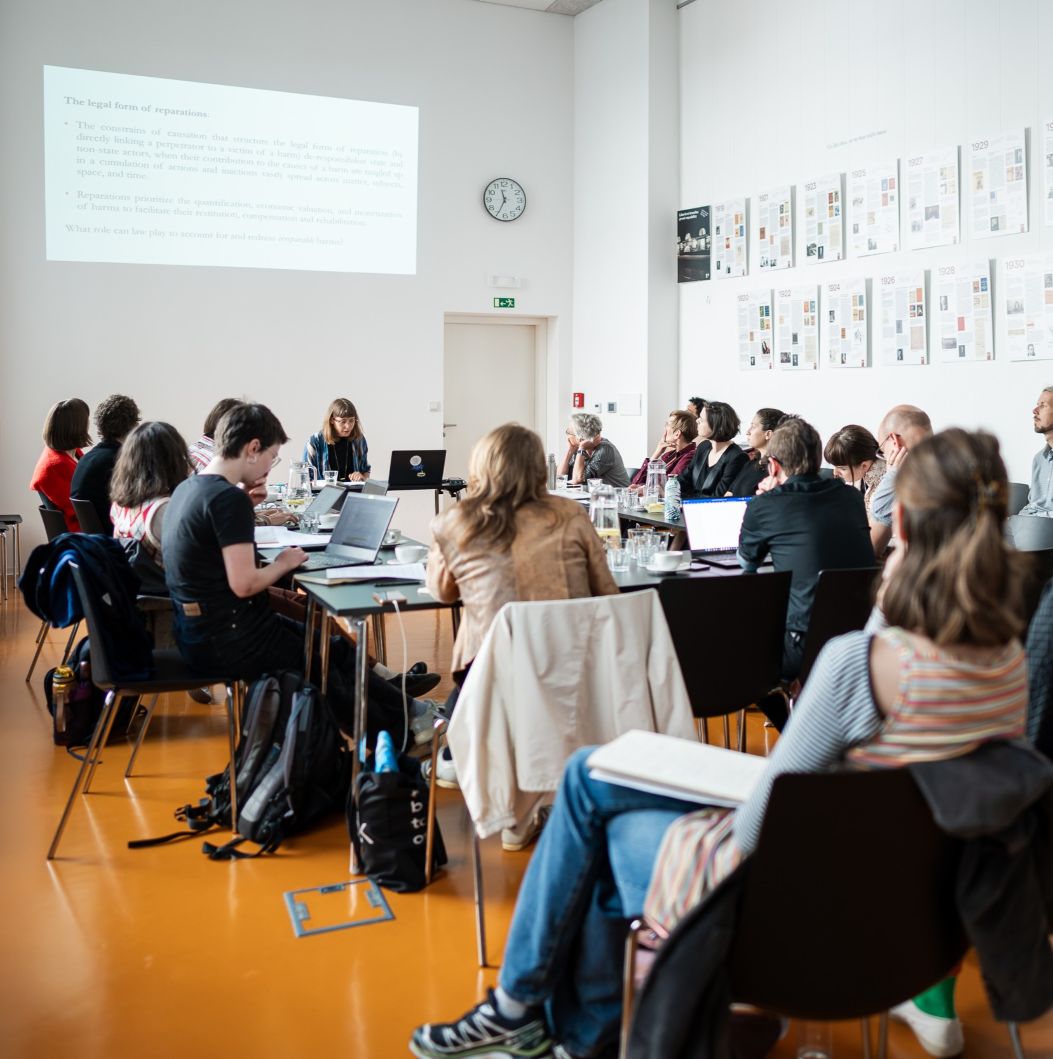
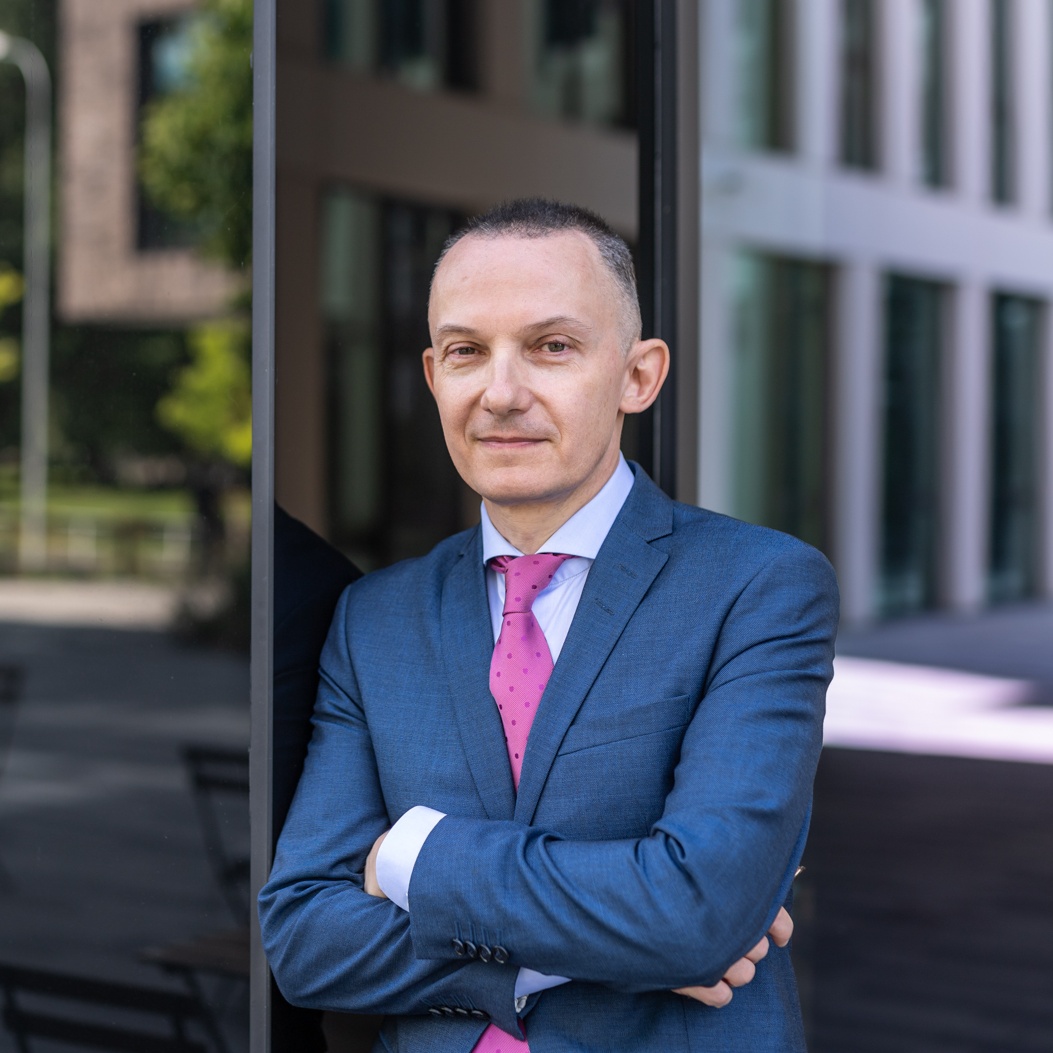
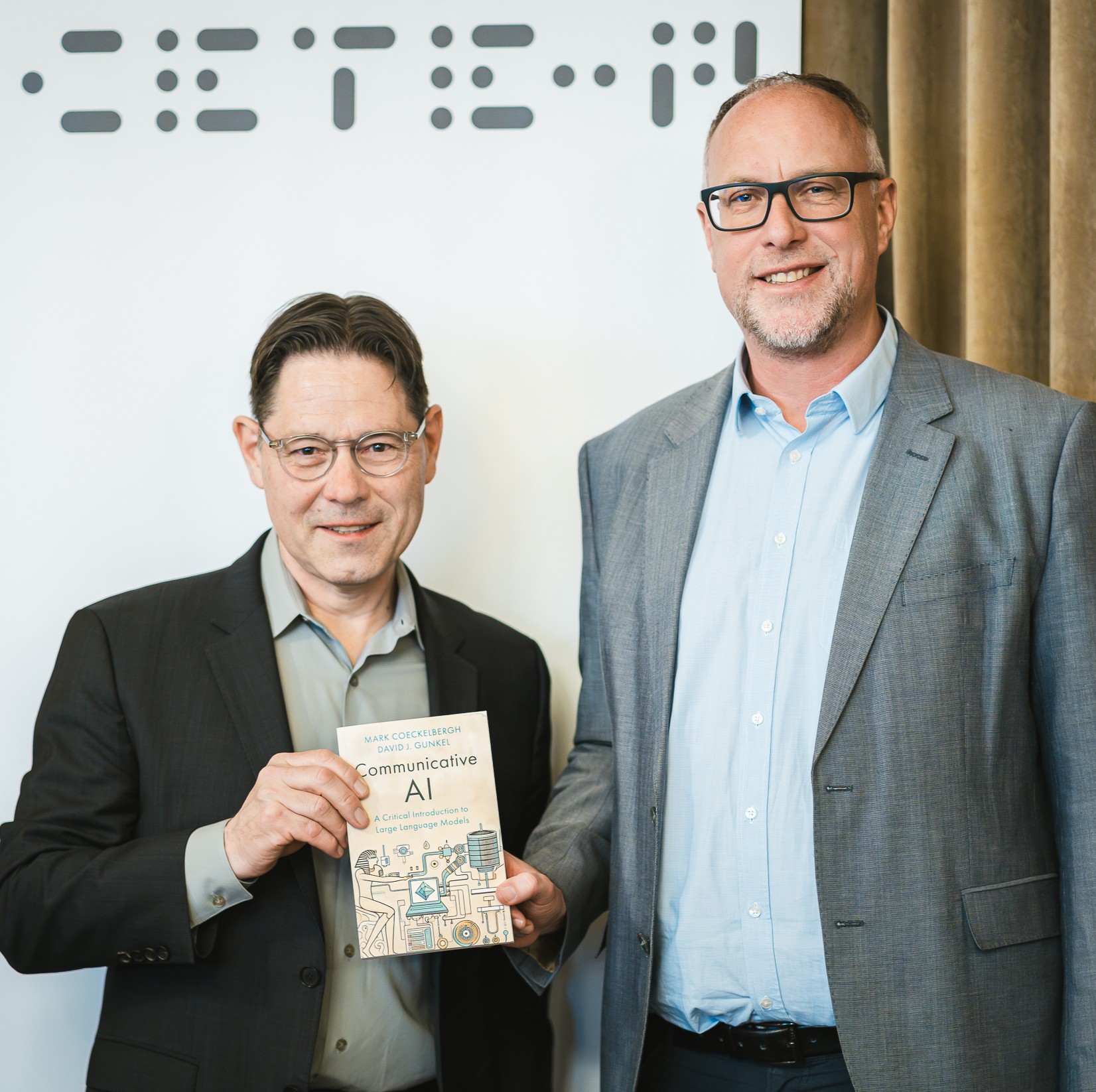
The conference “Queer Materiality: Becoming-Relations" (12-13 March 2026) brought together doctoral researchers and early-career scholars for a two-day event featuring several interdisciplinary presentations alongside two keynote lectures delivered by Jack Halberstam (Columbia University, USA) and Bogdan Popa (Transylvania University of Brașov, Romania). The programme concluded with a collective discussion of Klára Tasovská's documentary “I’m Not Everything I Want to Be” on the Czechoslovak photographer Libuše Jarcovjáková.

The event opened a critical space for reflecting on the interplay between personal experience, visual representation, and broader socio-political contexts, including late socialism, normalization, and the mechanisms of propaganda. Participants engaged with a wide range of topics, such as the tension between norms and transgressions, the role of narrative and discursive spaces in literature, art, and digital technologies and the material dimensions of contemporary social struggles. Particular attention was given to queer activism, theory and aesthetics, strategies of resistance and solidarity, and the cultivation of sensitivity to diverse forms of vulnerability. Contributions also explored how philosophy, sociology, literature, and the arts might challenge entrenched frameworks of domination and repression, while opening new possibilities for collective queer imagination and practice.
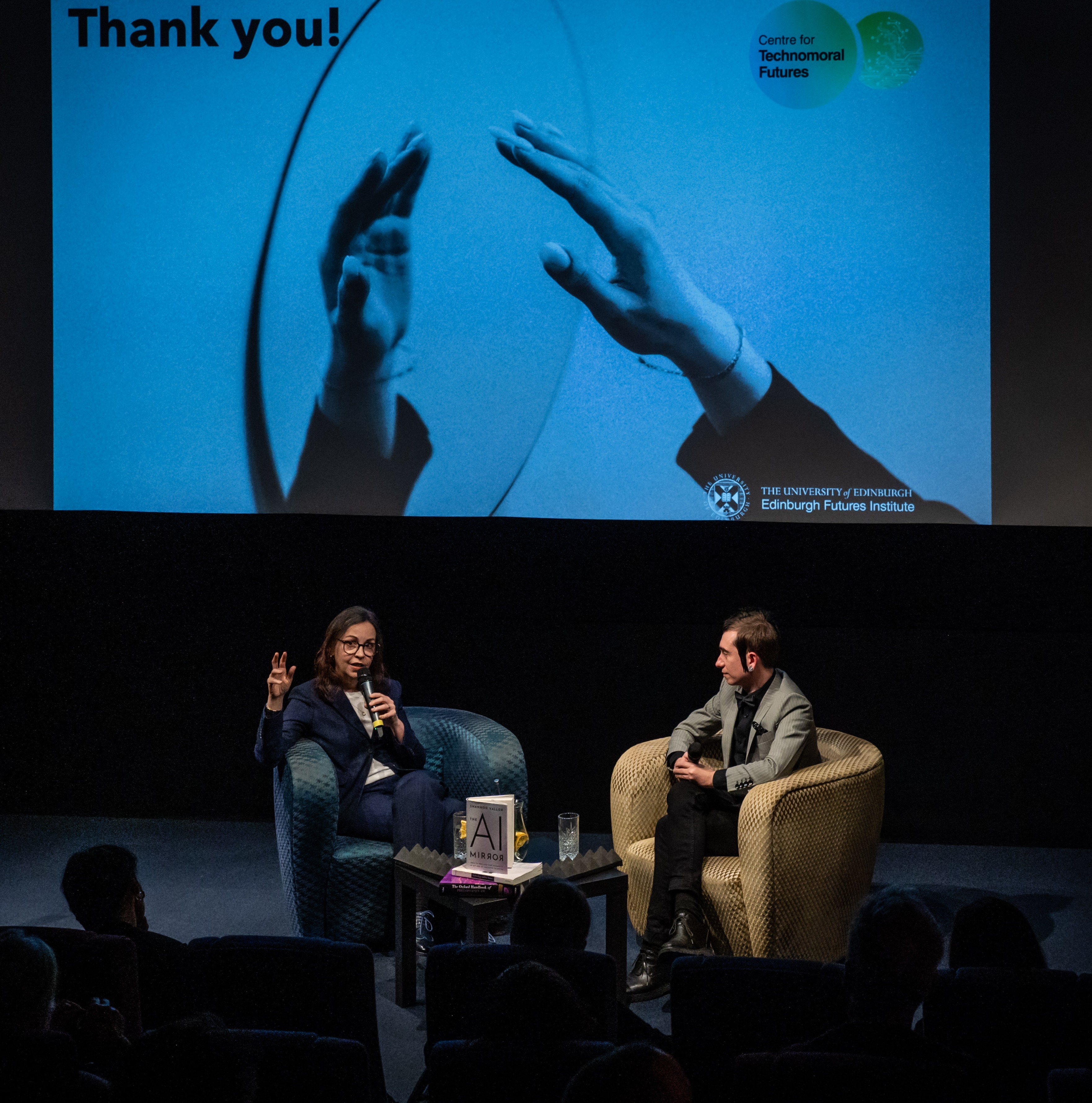
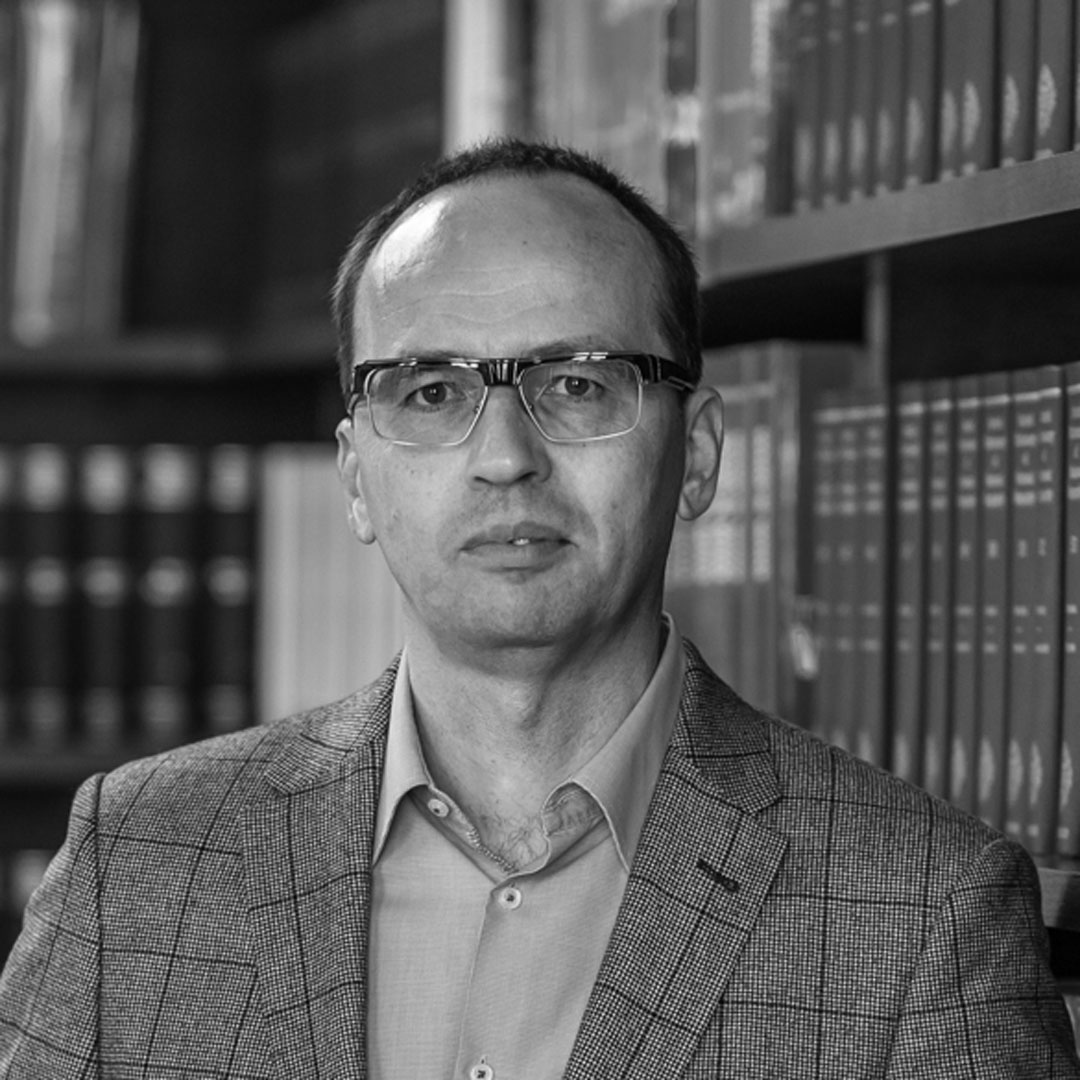
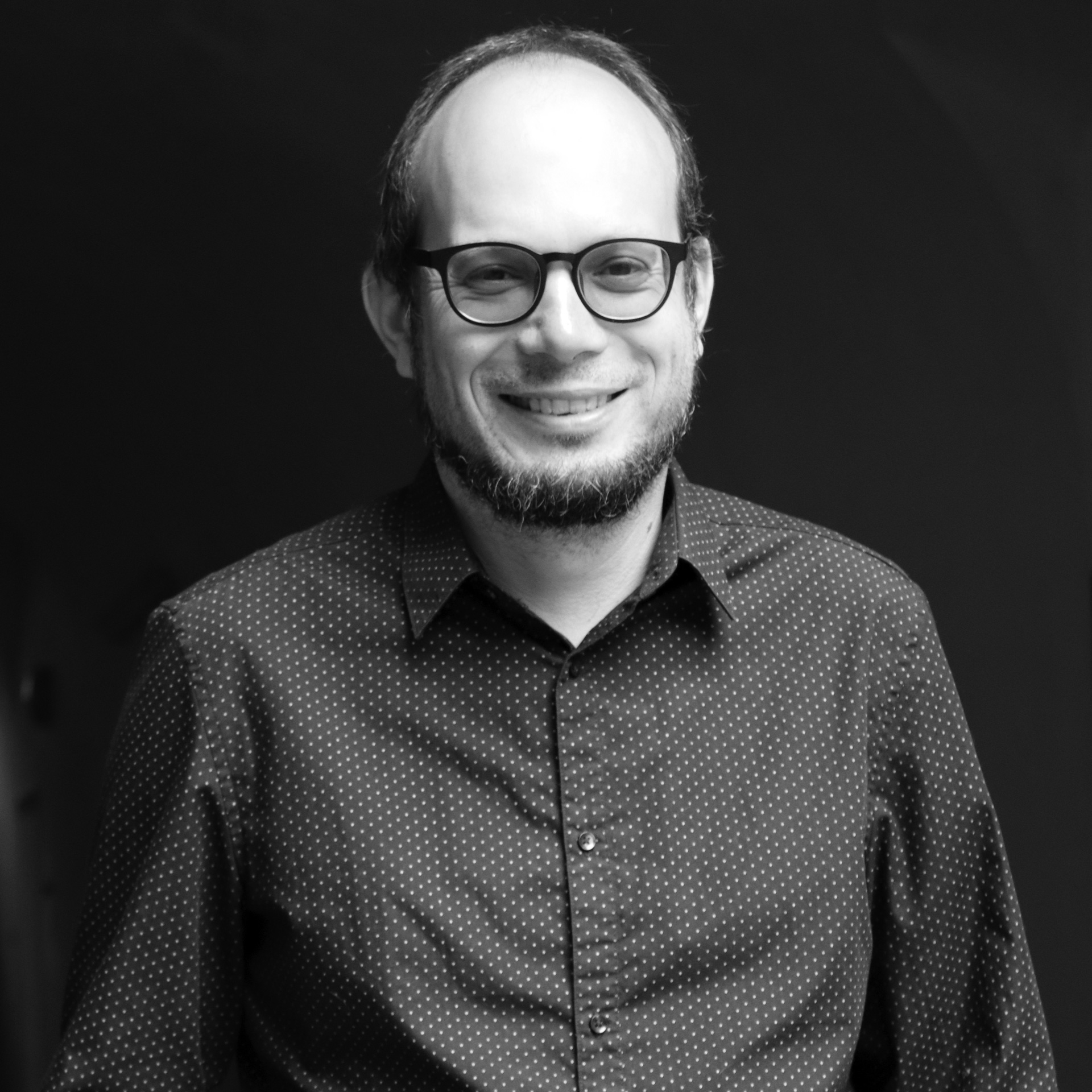
A key contribution was the keynote lecture by Jack Halberstam, who examined the political and narrative dimensions of failure, and its relation to contemporary social and spatial organization through the concept of "anarchitecture." The second keynote, delivered by Bogdan Popa, addressed post-socialist realities, with a particular focus on the cultural transformations shaping gender, sexuality, and representation in Eastern Europe.
All contributions underscored the importance of artistic, theoretical, and material practices as sites of alternative modes of engagement. Overall, the conference contributed to a deeper understanding of how broader relationalities — alongside emerging discussions in queer ecology and queer technology — can lead to queer ways of thinking about interdependence, embodiment, and the more-than-human world.
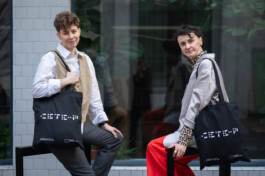
Photos: Anna Šolcová


The conference “Queer Materiality: Becoming-Relations" (12-13 March 2026) brought together doctoral researchers and early-career scholars for a two-day event featuring several interdisciplinary presentations alongside two keynote lectures delivered by Jack Halberstam (Columbia University, USA) and Bogdan Popa (Transylvania University of Brașov, Romania). The programme concluded with a collective discussion of Klára Tasovská's documentary “I’m Not Everything I Want to Be” on the Czechoslovak photographer Libuše Jarcovjáková.
The event opened a critical space for reflecting on the interplay between personal experience, visual representation, and broader socio-political contexts, including late socialism, normalization, and the mechanisms of propaganda. Participants engaged with a wide range of topics, such as the tension between norms and transgressions, the role of narrative and discursive spaces in literature, art, and digital technologies and the material dimensions of contemporary social struggles. Particular attention was given to queer activism, theory and aesthetics, strategies of resistance and solidarity, and the cultivation of sensitivity to diverse forms of vulnerability. Contributions also explored how philosophy, sociology, literature, and the arts might challenge entrenched frameworks of domination and repression, while opening new possibilities for collective queer imagination and practice.
A key contribution was the keynote lecture by Jack Halberstam, who examined the political and narrative dimensions of failure, and its relation to contemporary social and spatial organization through the concept of "anarchitecture." The second keynote, delivered by Bogdan Popa, addressed post-socialist realities, with a particular focus on the cultural transformations shaping gender, sexuality, and representation in Eastern Europe.
All contributions underscored the importance of artistic, theoretical, and material practices as sites of alternative modes of engagement. Overall, the conference contributed to a deeper understanding of how broader relationalities — alongside emerging discussions in queer ecology and queer technology — can lead to queer ways of thinking about interdependence, embodiment, and the more-than-human world.
Photos: Anna Šolcová


•• All News
Celetná 988/38
Prague 1
Czech Republic
This project receives funding from the Horizon EU Framework Programme under Grant Agreement No. 101086898.