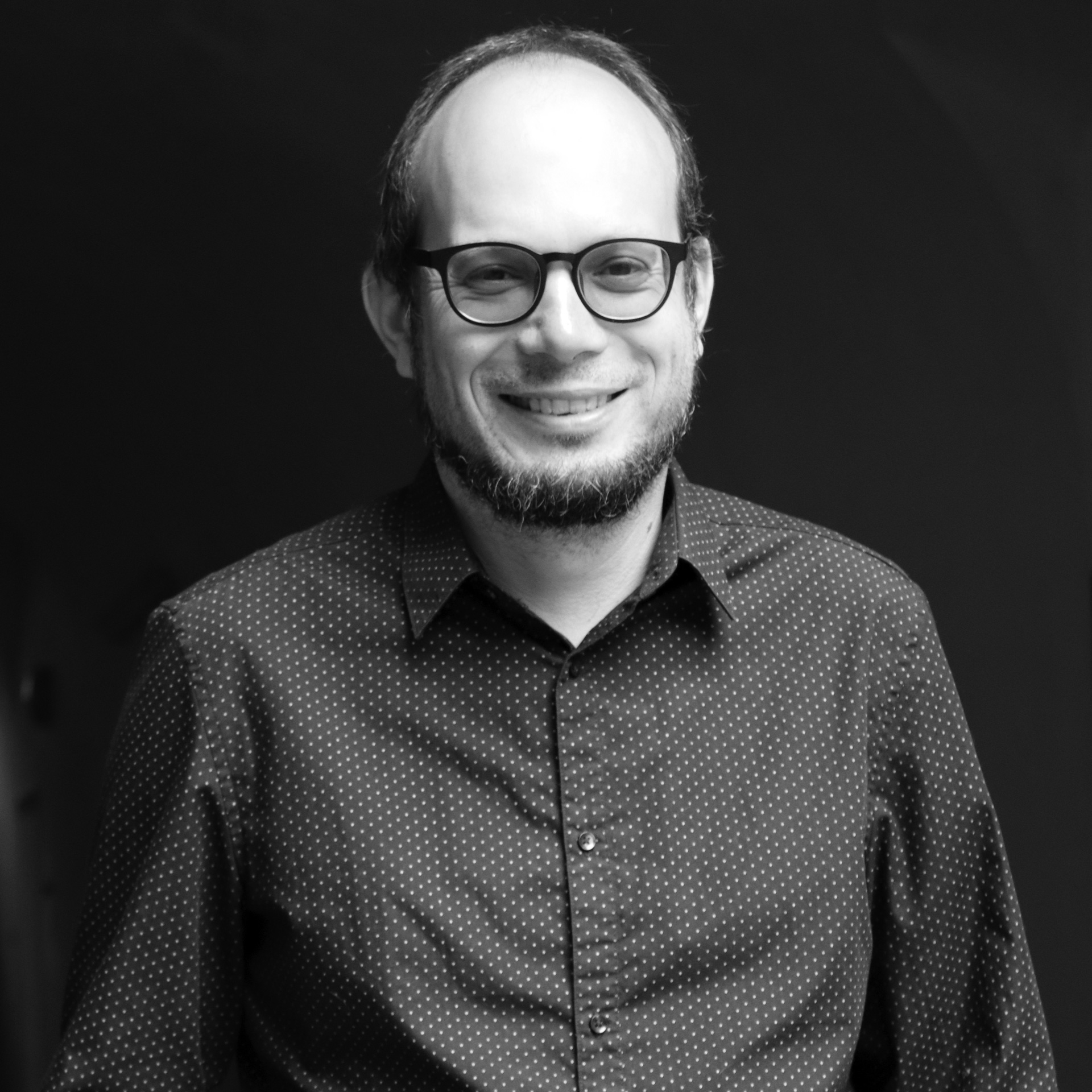
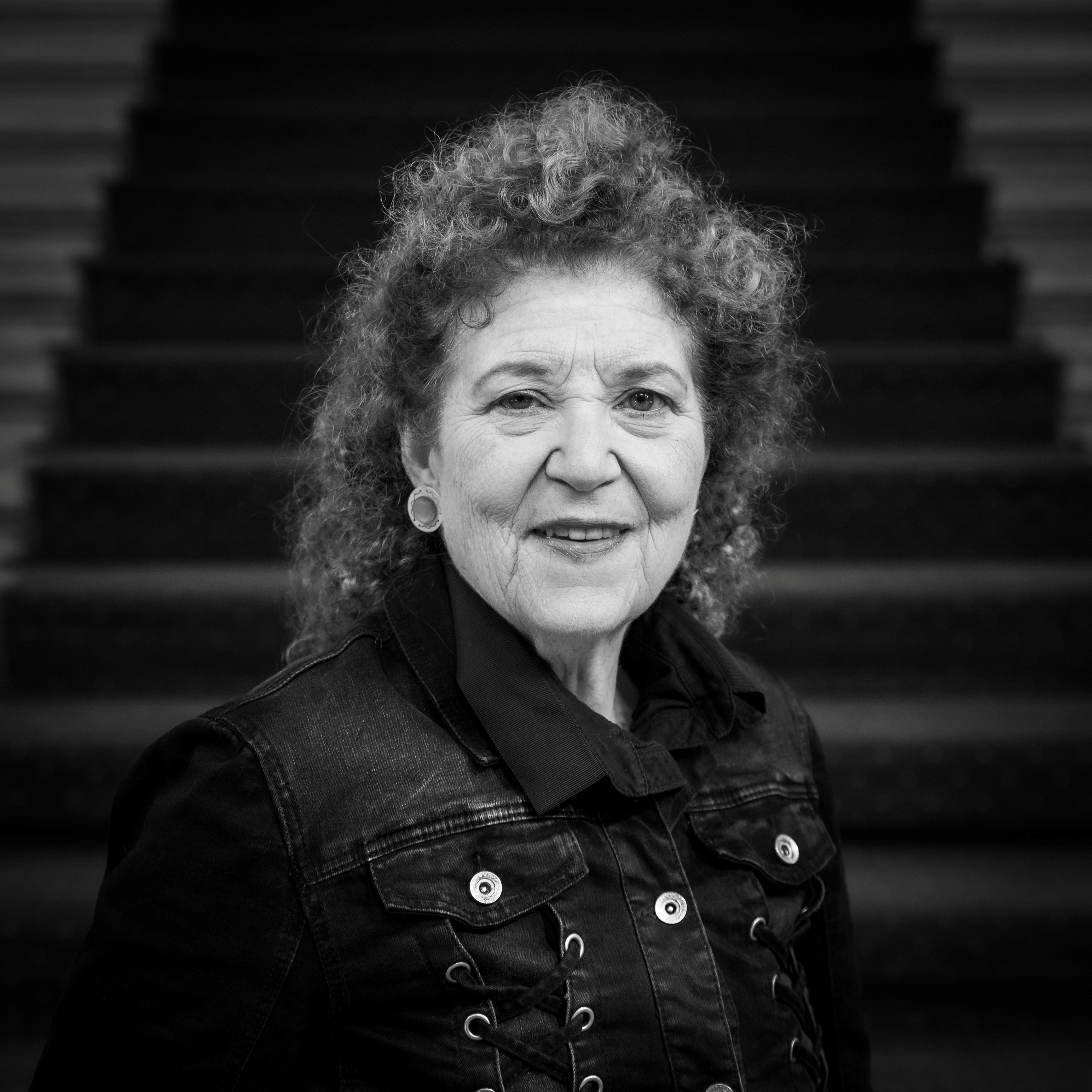
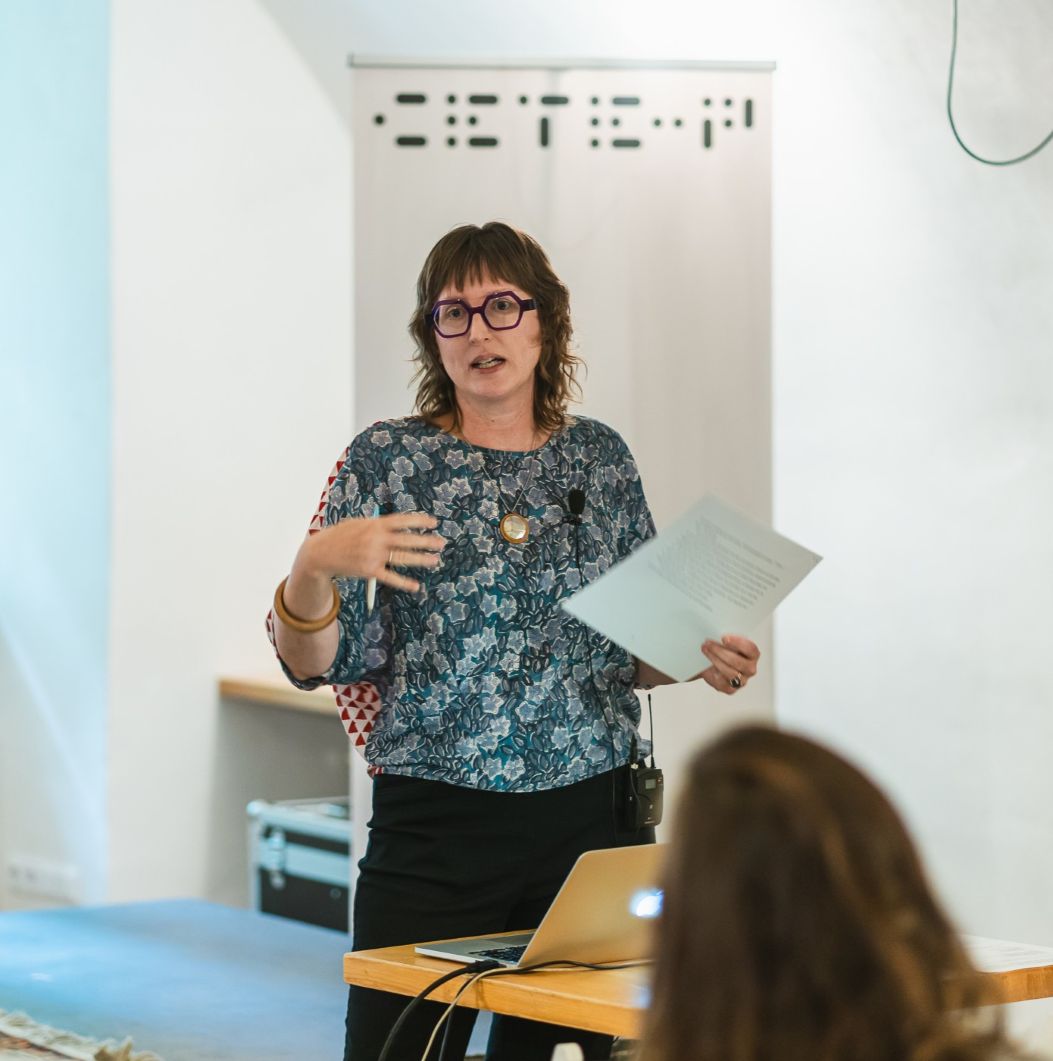
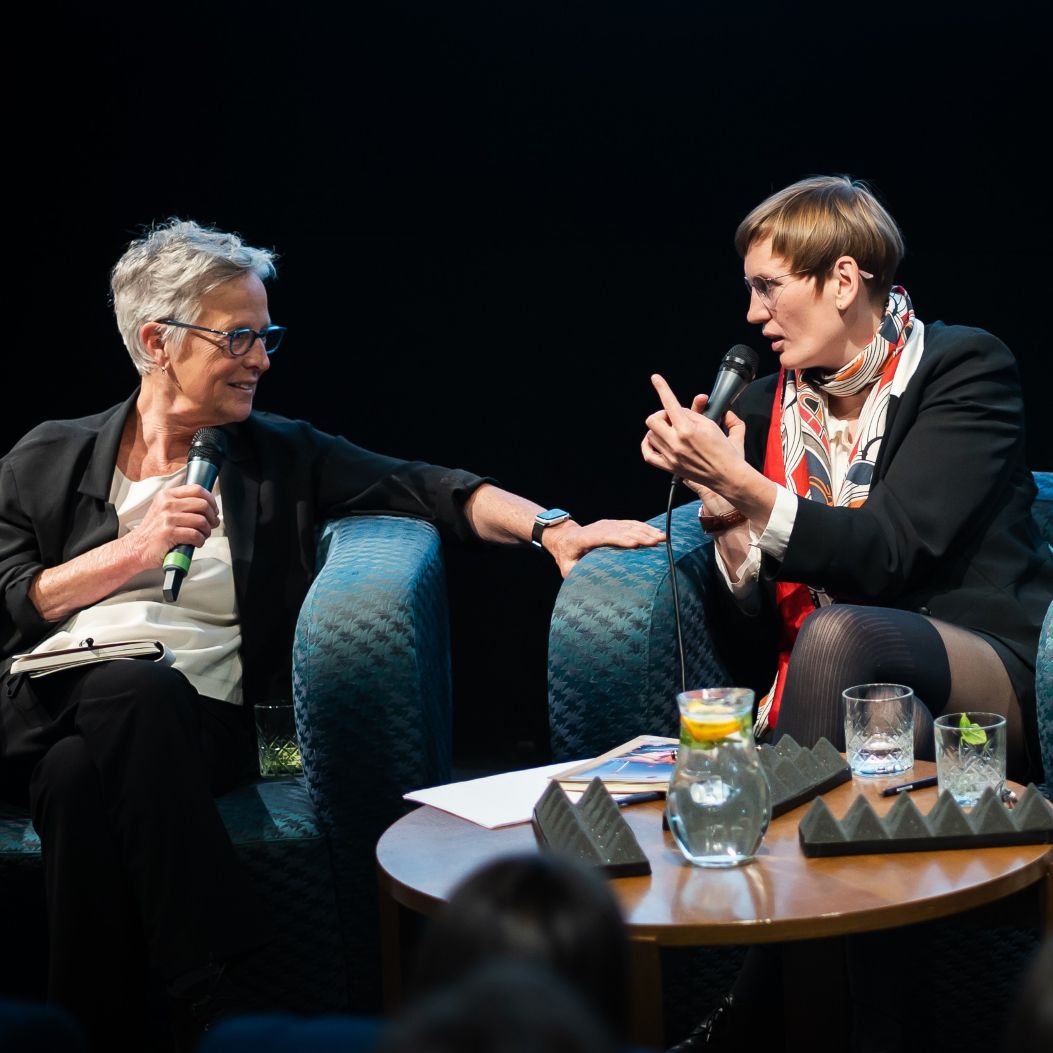
On 19–20 February 2026 CETE-P hosted a two day programme, consisting of a public lecture by Alfonso Donoso (Pontificia Universidad Católica de Chile) titled “The Grammar of Animal Oppression: Rethinking Disability and Migration” (19 February 2026), followed by a one day workshop, “Confronting Oppression with Care: Interspecies Perspectives” (20 February 2026). Both events were open to researchers, students, and the public, and attracted interdisciplinary attendance from scholars working on structural injustice, animal ethics, care theory, and related fields.


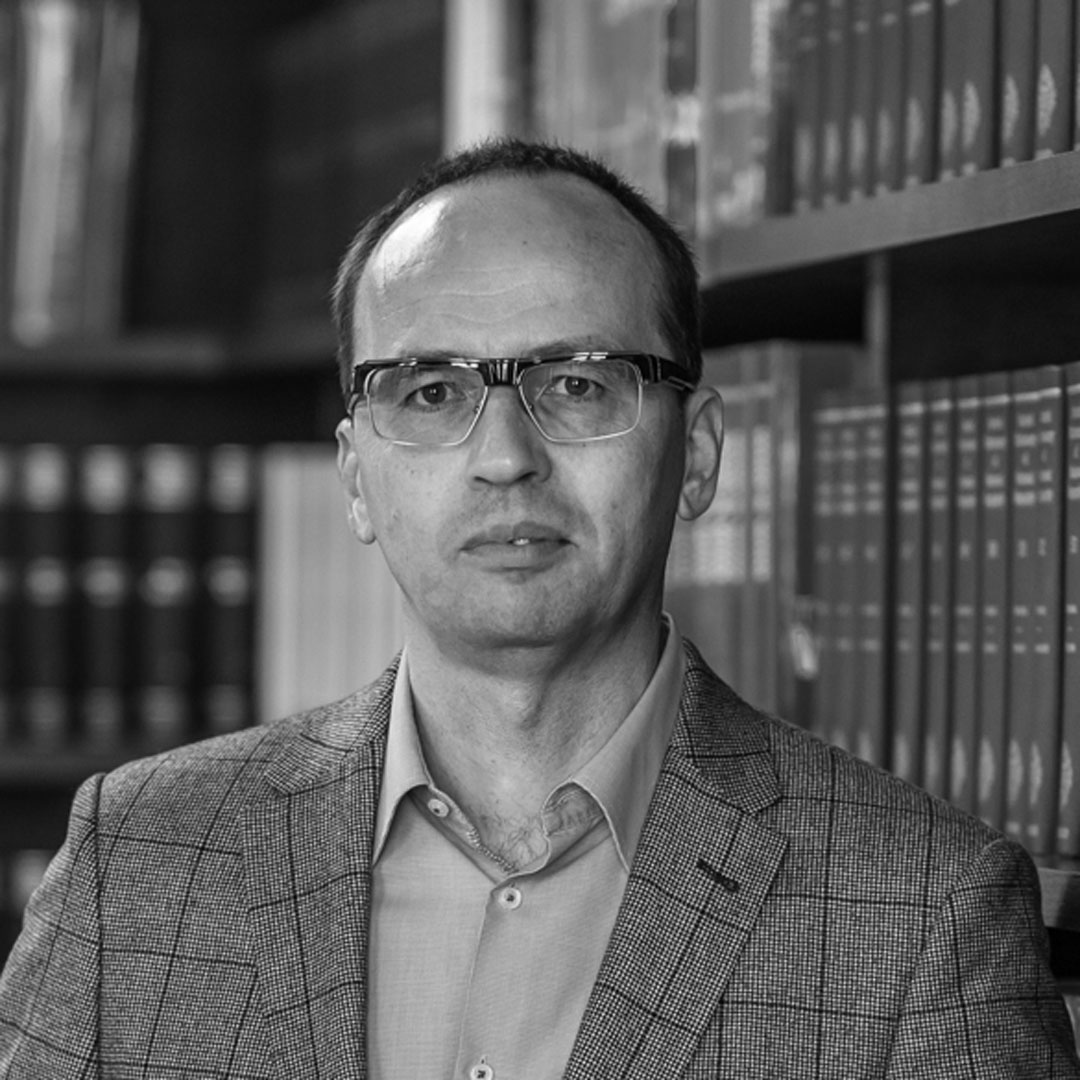
Donoso's lecture advanced a non speciesist account of oppression, applying Iris Marion Young’s framework to show how the systematic wrongs that animals are subjected to should be understood as forms of structural injustice embedded in social, economic, and institutional arrangements. The lecture weaved together human and animal oppression, looking at specific sites where they are combined, specifically slaughterhouses and border zones. It was followed by comments and questions from two discussants, Rosine Kelz (CETE-P) and Dan Swain (Czech University of Life Sciences and Institute of Philosophy, Czech Academy of Sciences), which led to an engaged discussion with the audience.
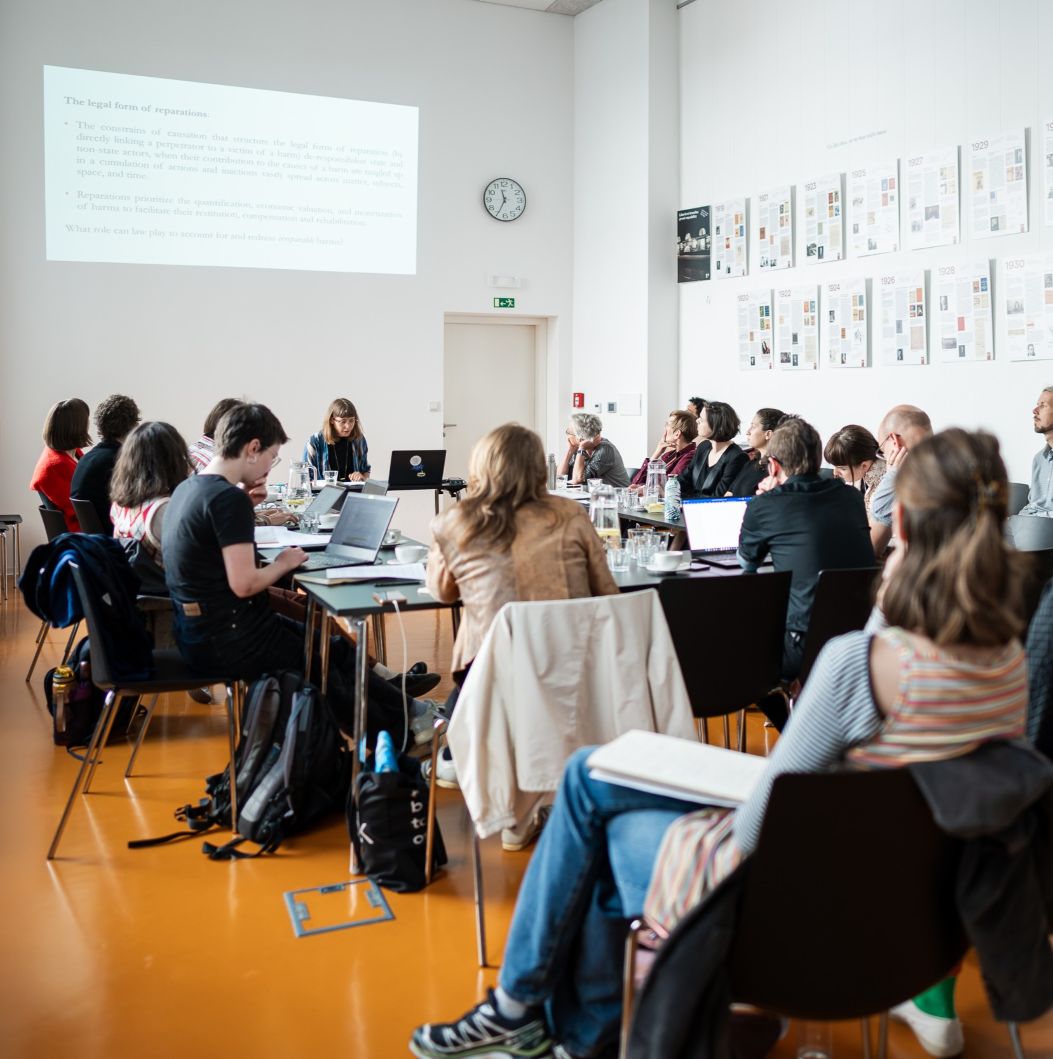
The subsequent workshop expanded these themes through focused sessions on care and responsibility, translation and cohabitation, and professional practices (including veterinary work and animal ethics teaching), with presentations from international and local researchers. It brought together scholars from a wide range of philosophical theories and methods (including, but not limited to, care theory, analytic normative theory, and enactive approach).
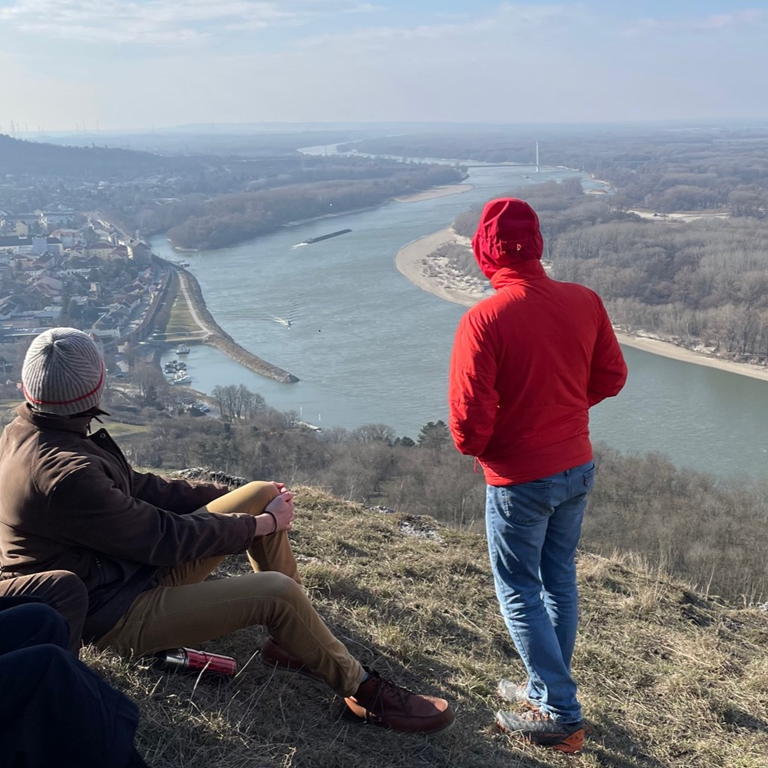
The workshop was held in collaboration with the Philosophy in the Wild network, as part of a public philosophy project called "Finding Hope in Mixed Communities". As part of the project, an ‘anthrozoological vasculum’ is being sent to 13 different sites across the world to collect field notes and interspecies poetry to illustrate Mary Midgley’s idea of a ‘mixed community’ and theorise and build non-exploitative forms of human-animal relations. The vasculum arrived in Prague from Minas Gerais, Brazil, and was sent on to Galway, Ireland. To contribute to the project, the workshop was followed by a field activity where participants went to Vltava River to observe and reflect on urban wildlife, including the complex example of nutrias.
Overall, the events around Donoso’s visit fostered interdisciplinary exchange on structural injustice and human–animal relations while further strengthening CETE-P’s international connections.
You can watch full-length video from the talk:

On 19–20 February 2026 CETE-P hosted a two day programme, consisting of a public lecture by Alfonso Donoso (Pontificia Universidad Católica de Chile) titled “The Grammar of Animal Oppression: Rethinking Disability and Migration” (19 February 2026), followed by a one day workshop, “Confronting Oppression with Care: Interspecies Perspectives” (20 February 2026). Both events were open to researchers, students, and the public, and attracted interdisciplinary attendance from scholars working on structural injustice, animal ethics, care theory, and related fields.


Donoso's lecture advanced a non speciesist account of oppression, applying Iris Marion Young’s framework to show how the systematic wrongs that animals are subjected to should be understood as forms of structural injustice embedded in social, economic, and institutional arrangements. The lecture weaved together human and animal oppression, looking at specific sites where they are combined, specifically slaughterhouses and border zones. It was followed by comments and questions from two discussants, Rosine Kelz (CETE-P) and Dan Swain (Czech University of Life Sciences and Institute of Philosophy, Czech Academy of Sciences), which led to an engaged discussion with the audience.
The subsequent workshop expanded these themes through focused sessions on care and responsibility, translation and cohabitation, and professional practices (including veterinary work and animal ethics teaching), with presentations from international and local researchers. It brought together scholars from a wide range of philosophical theories and methods (including, but not limited to, care theory, analytic normative theory, and enactive approach).
The workshop was held in collaboration with the Philosophy in the Wild network, as part of a public philosophy project called "Finding Hope in Mixed Communities". As part of the project, an ‘anthrozoological vasculum’ is being sent to 13 different sites across the world to collect field notes and interspecies poetry to illustrate Mary Midgley’s idea of a ‘mixed community’ and theorise and build non-exploitative forms of human-animal relations. The vasculum arrived in Prague from Minas Gerais, Brazil, and was sent on to Galway, Ireland. To contribute to the project, the workshop was followed by a field activity where participants went to Vltava River to observe and reflect on urban wildlife, including the complex example of nutrias.
Overall, the events around Donoso’s visit fostered interdisciplinary exchange on structural injustice and human–animal relations while further strengthening CETE-P’s international connections.
You can watch full-length video from the talk:
•• All News
Celetná 988/38
Prague 1
Czech Republic
This project receives funding from the Horizon EU Framework Programme under Grant Agreement No. 101086898.