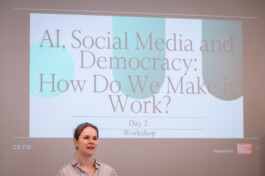
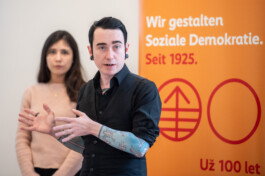
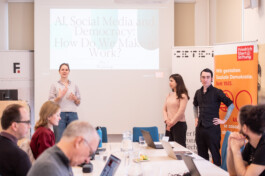
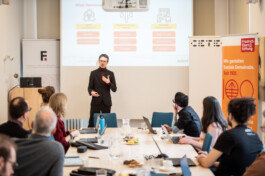
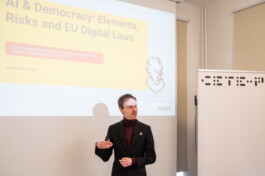
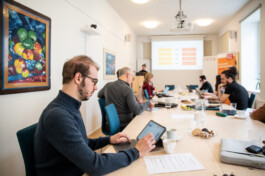
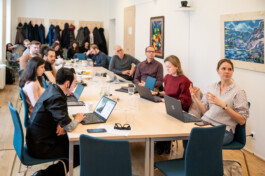
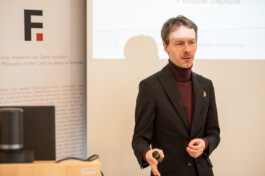
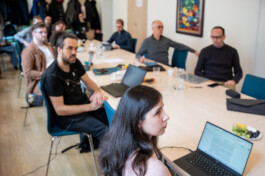
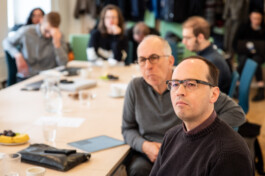
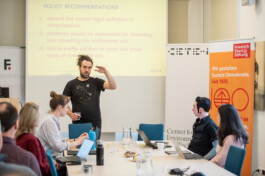
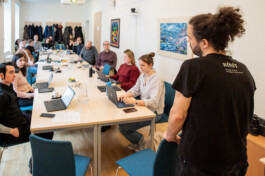
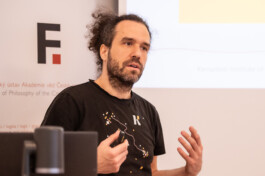
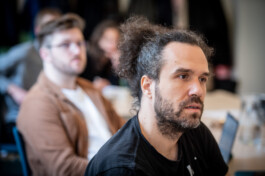
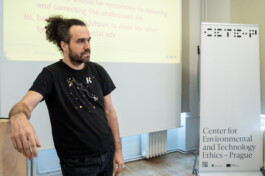
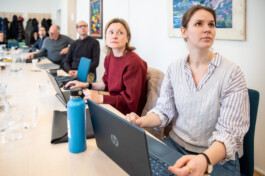
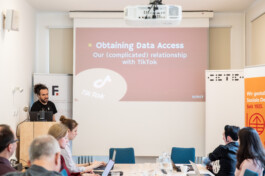
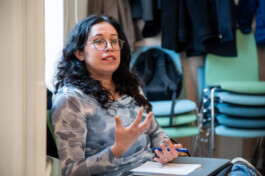
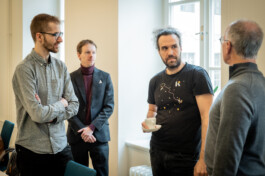
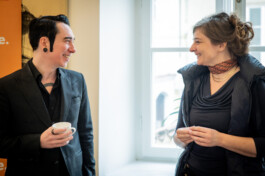
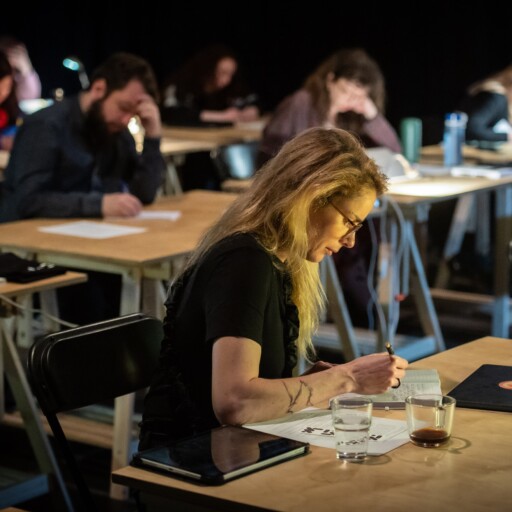
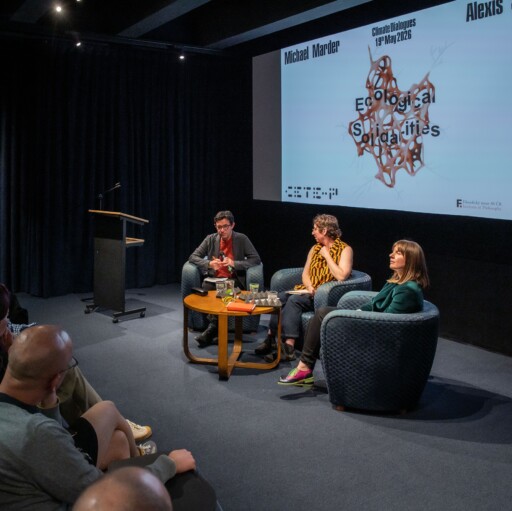
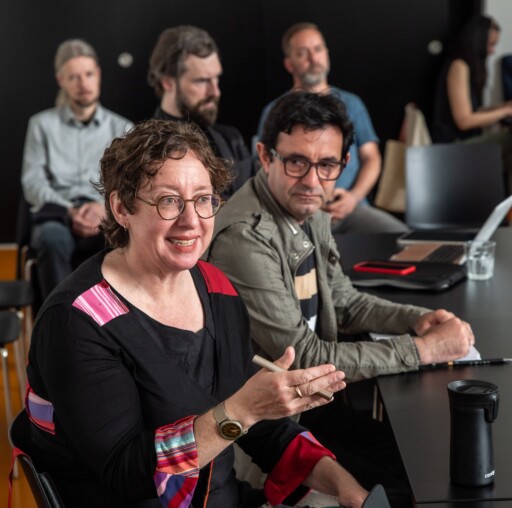
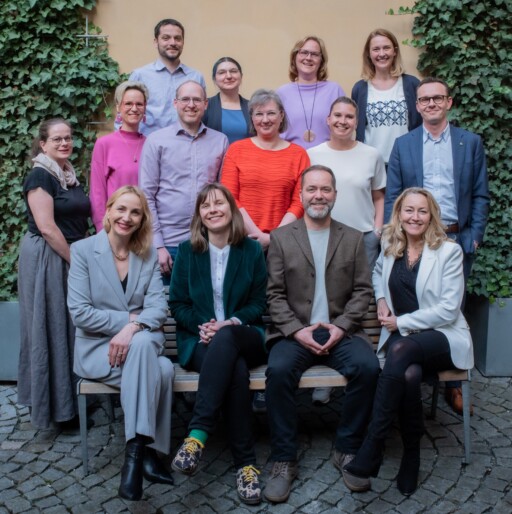
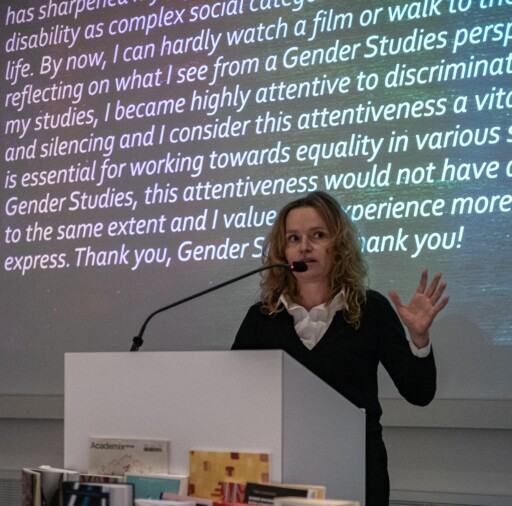
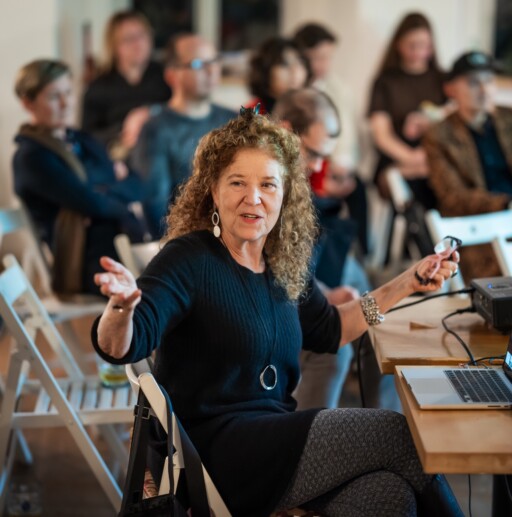
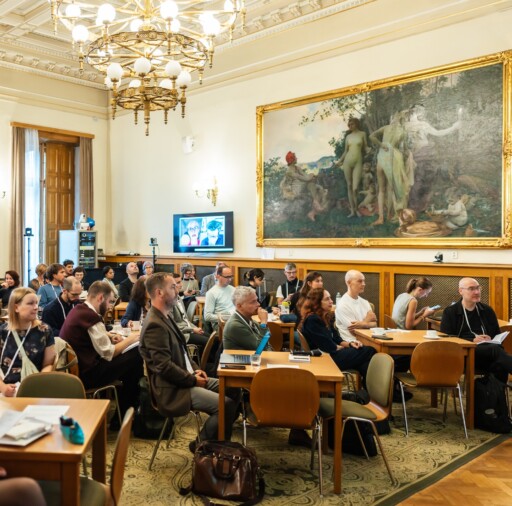
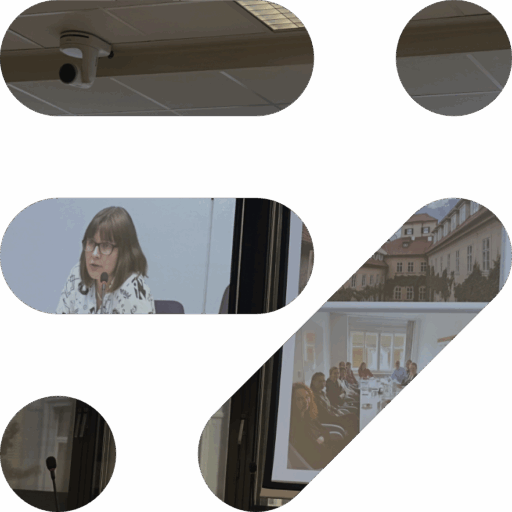
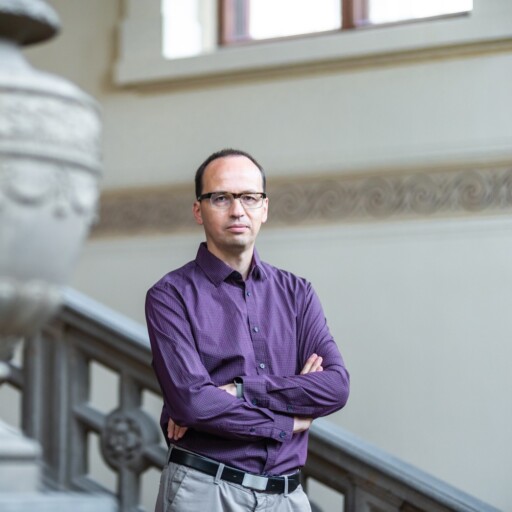
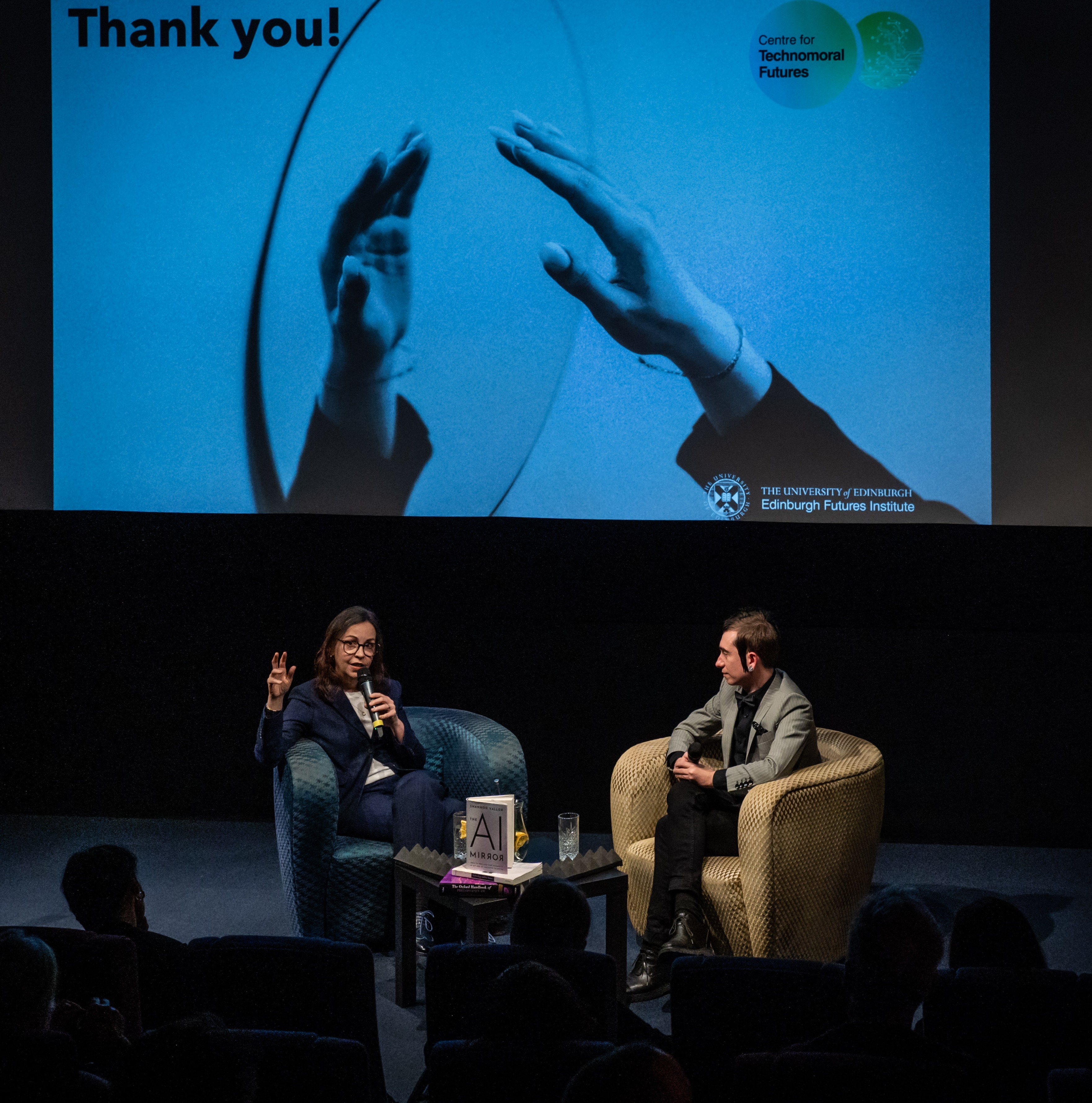
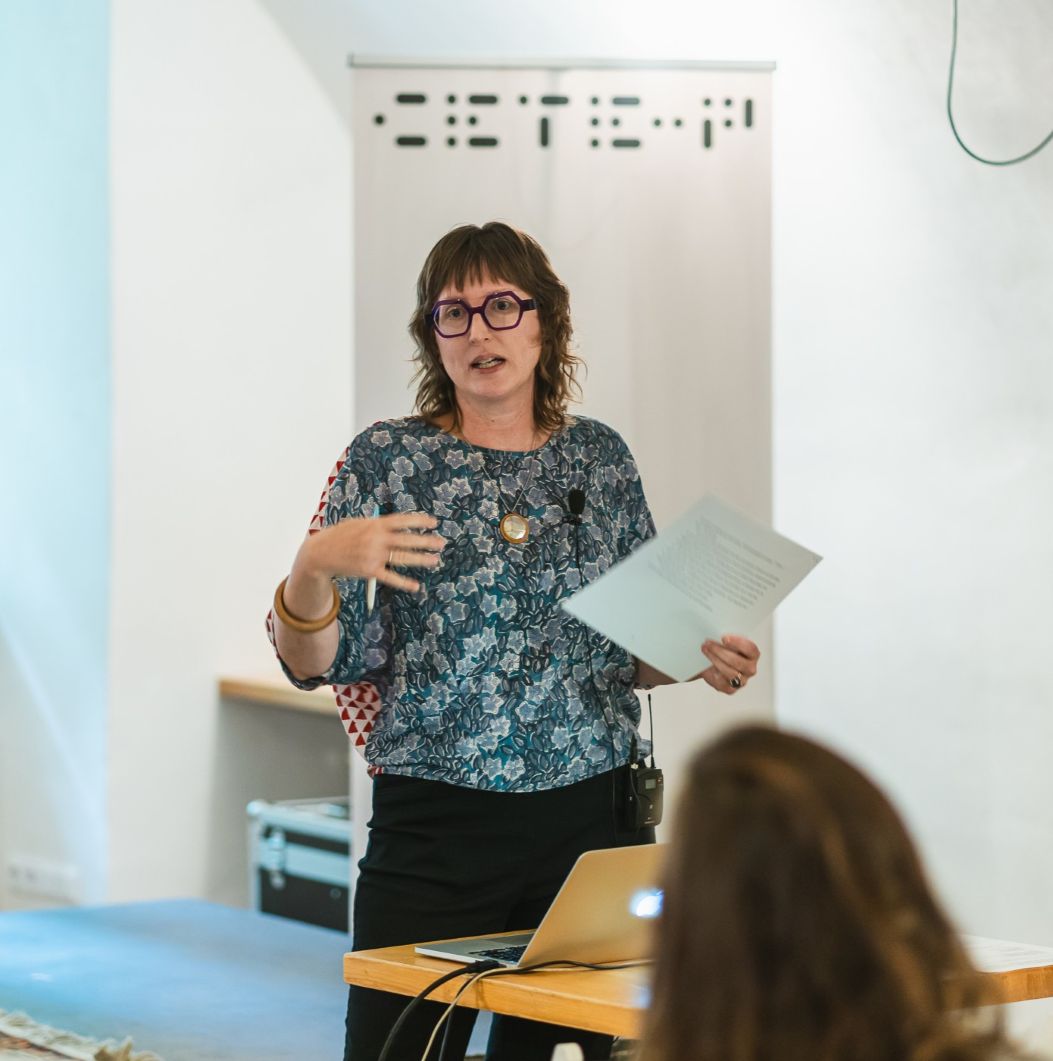
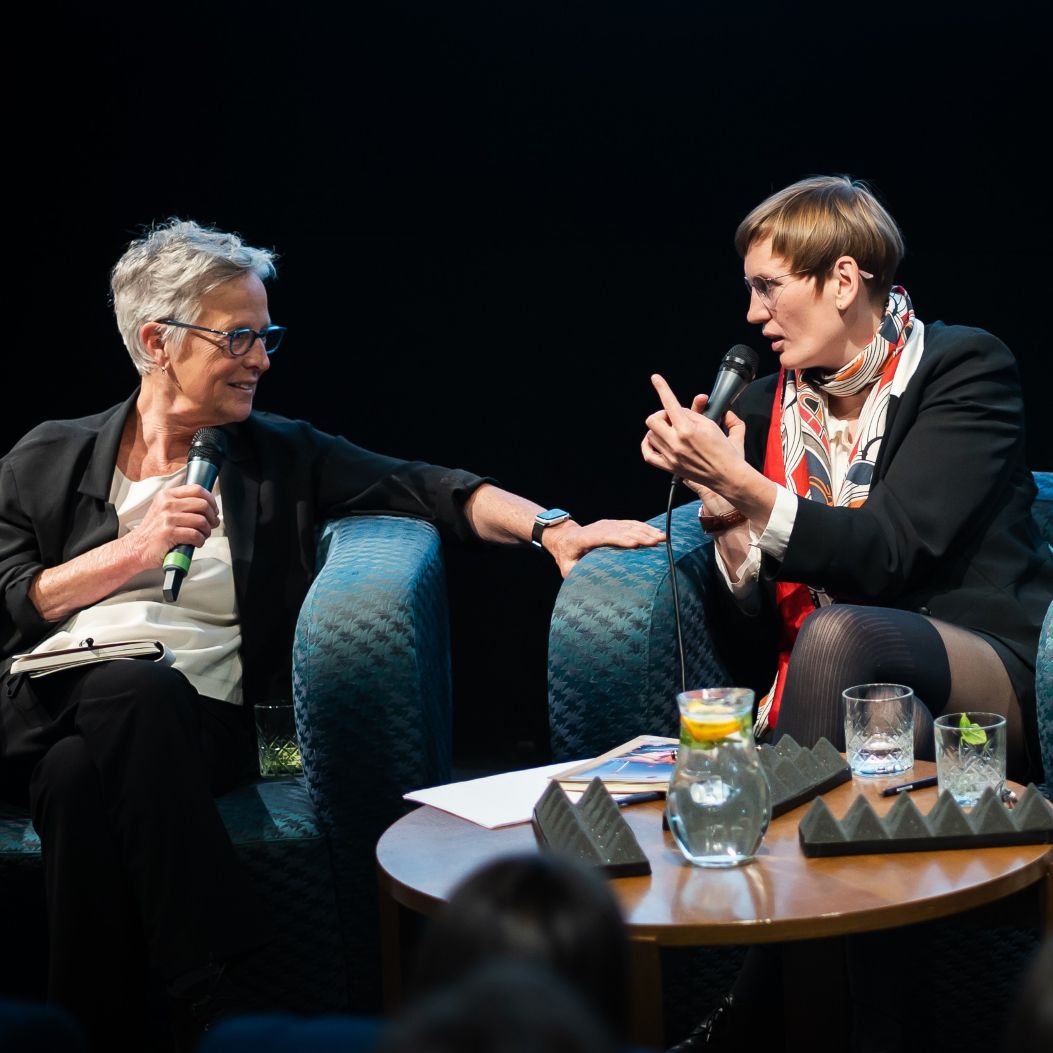
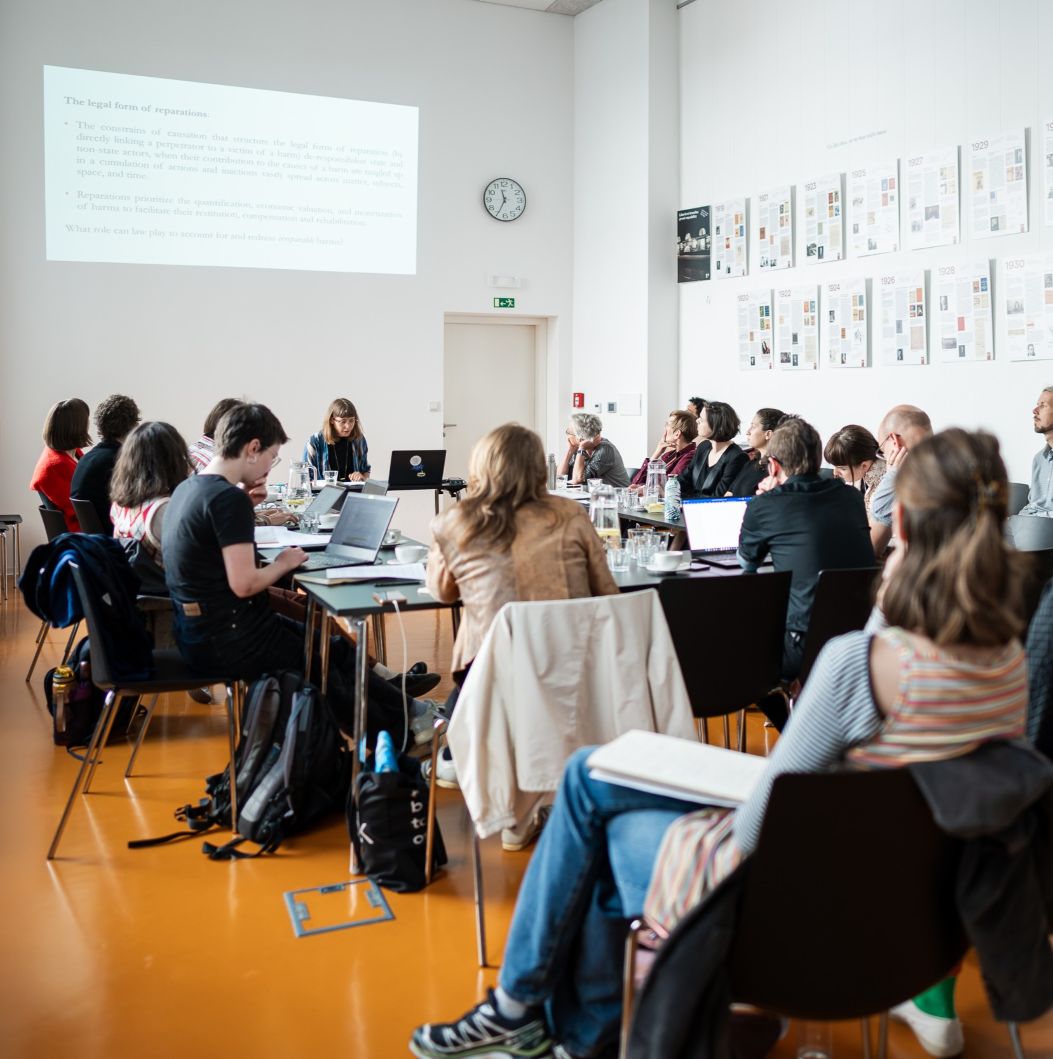
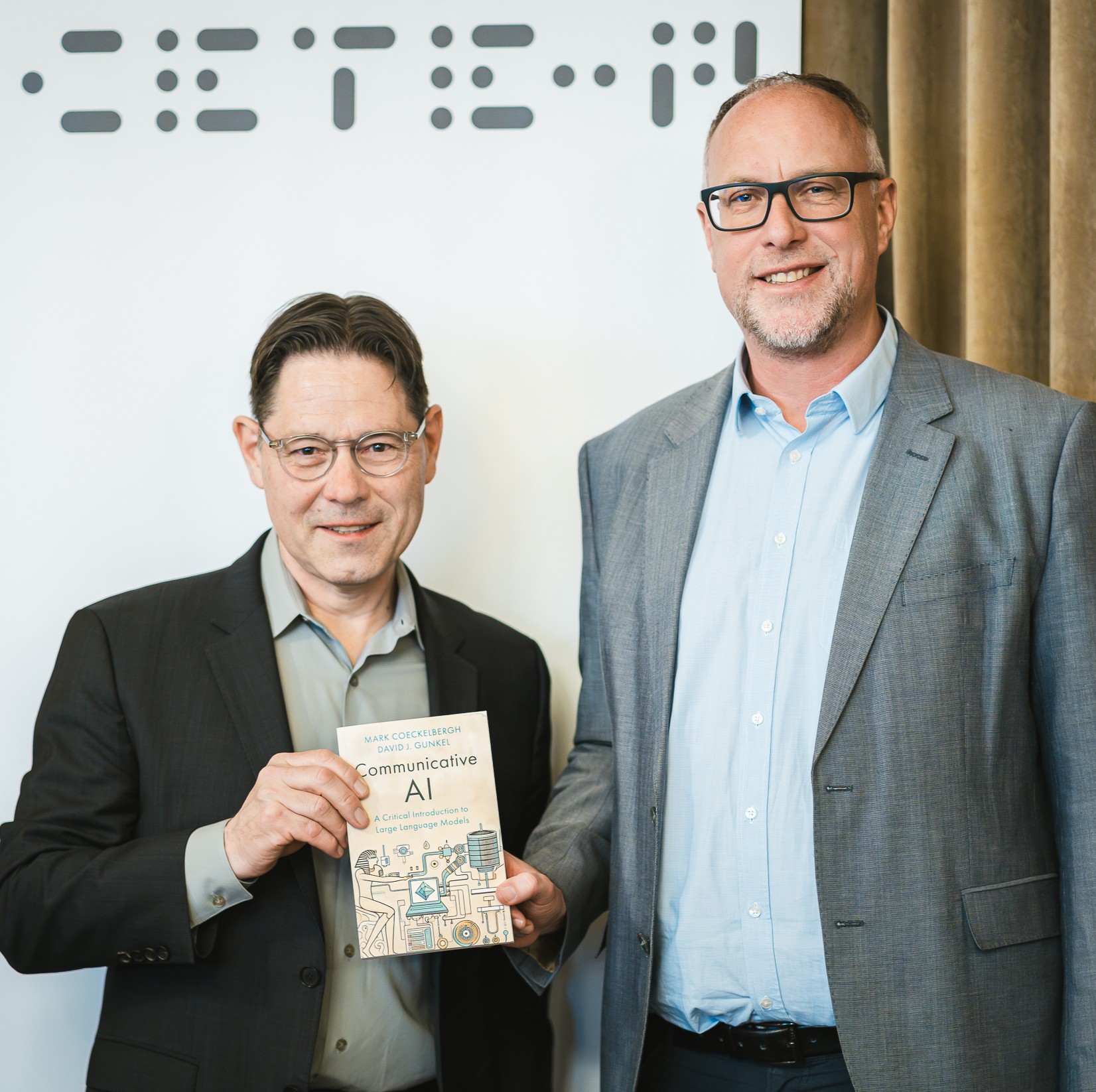
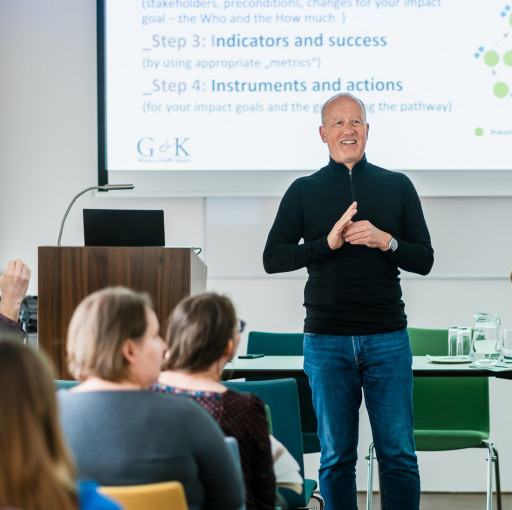
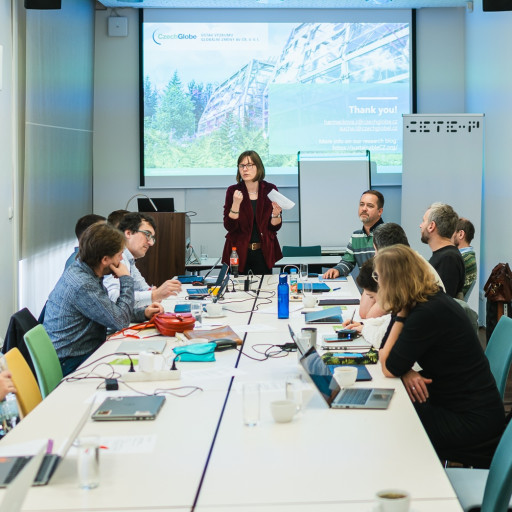
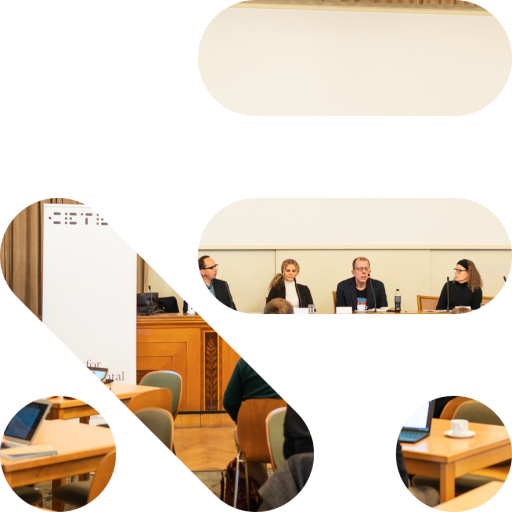
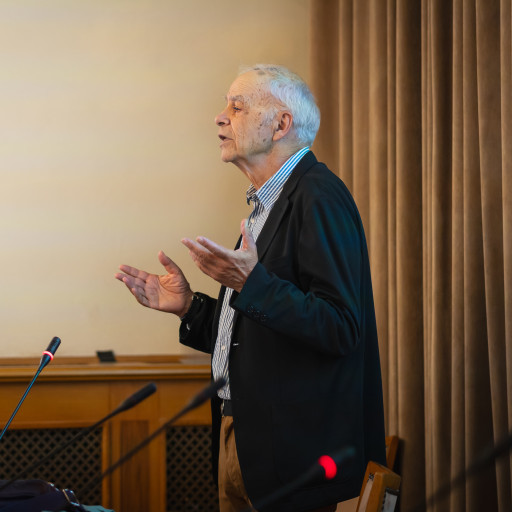
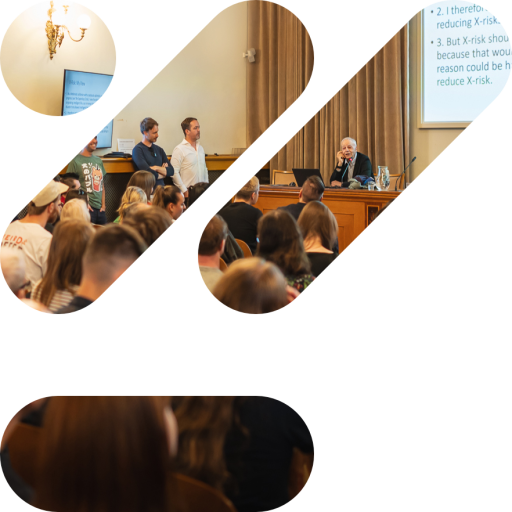
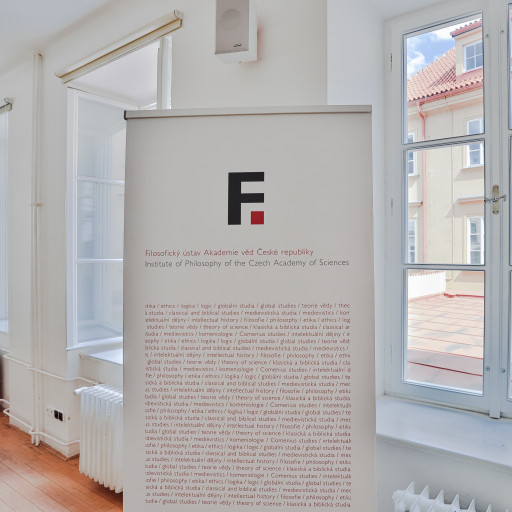
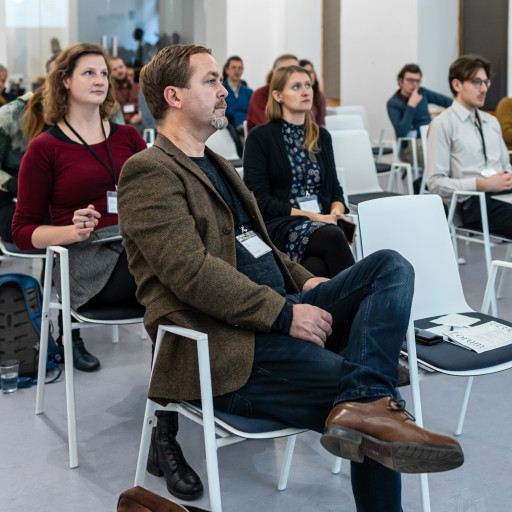
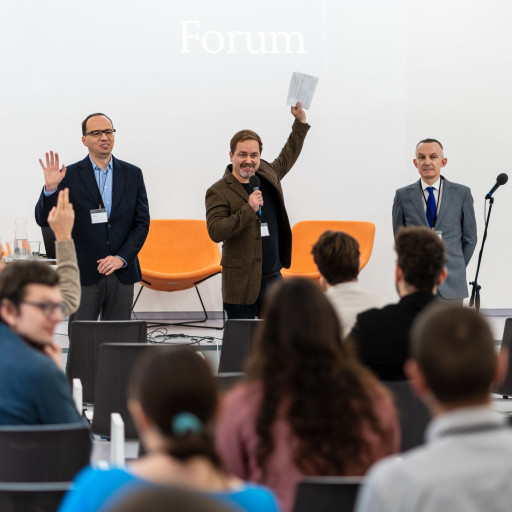
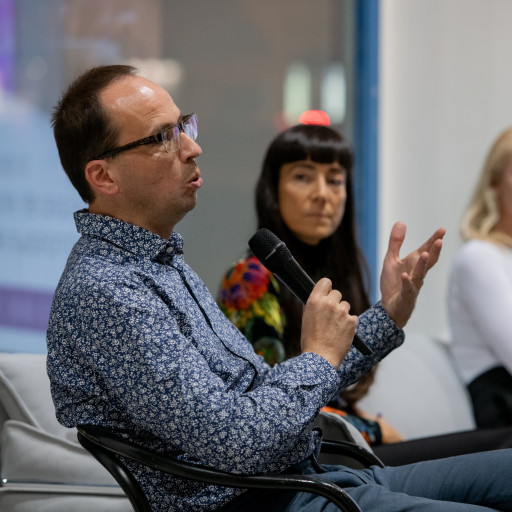
On 26 March 2026, CETE-P hosted the workshop AI, Social Media, and Democracy: How Do We Make It Work? at the Institute of Philosophy of the Czech Academy of Sciences. The event brought together researchers from philosophy, law, computer science, and social sciences to examine the impact of artificial intelligence and social media platforms on democratic processes and to develop concrete policy-oriented responses.

The workshop was structured around a series of presentations followed by discussion, each aimed at advancing actionable policy proposals. A central concern across the event was the erosion of trusted information environments and the emergence of what is often described as an “information disorder,” including misinformation and disinformation, as well as the role of AI-driven systems in amplifying these dynamics.
The programme opened with a talk by Matúš Mesarčík (KInIT and Comenius University Bratislava), who examined the relationship between AI systems, democratic institutions, and emerging EU digital regulation. This was followed by Jakub Šimko (KInIT), who focused on the potential of algorithmic auditing as a tool for evaluating and governing social media recommender systems.

Subsequent contributions further developed these themes. Tuğba Yoldaş (CETE-P) addressed the features and harms of online manipulation and its implications for EU digital regulation. Andrew McIntyre (Independent Researcher) explored the relationship between AI, social integration, and informational harms. Jacqueline Bellon (University of Tübingen) closed the series of talks with a discussion of critical AI literacy and the development of epistemic competence in increasingly AI-mediated environments.
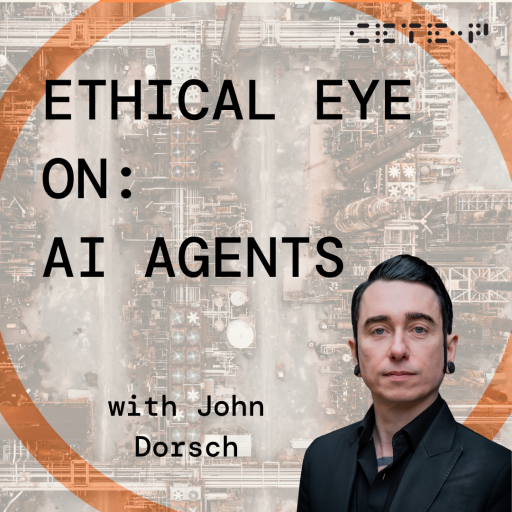
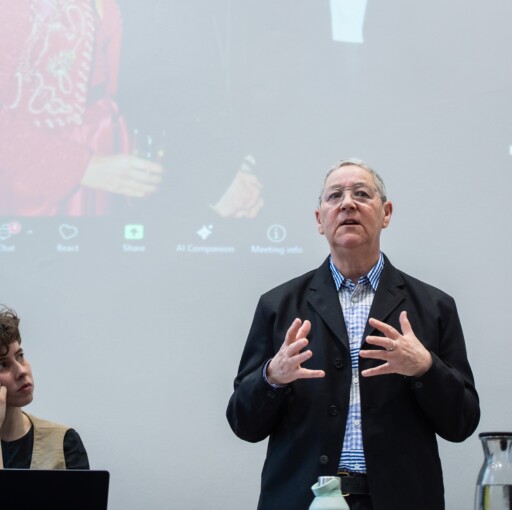
The workshop also included a presentation by John Dorsch (CETE-P), “Freedom of Thought in Algorithmic Environments: Epistemic Agency and the Next Step for EU Digital Regulation,” which examined how AI-driven information environments shape the conditions under which individuals form and evaluate beliefs, raising questions about the protection of epistemic agency in democratic societies.
Across these contributions, a recurring theme was the tension between engagement-driven platform design and the epistemic requirements of democratic life. Participants emphasized that the problem is not simply a lack of exposure to diverse viewpoints, but the ways in which algorithmic systems structure how information is encountered, interpreted, and evaluated. These dynamics were discussed in relation to broader regulatory efforts within the European Union, including the GDPR, the Digital Services Act, and the AI Act, which aim to address some of these challenges but leave important gaps.
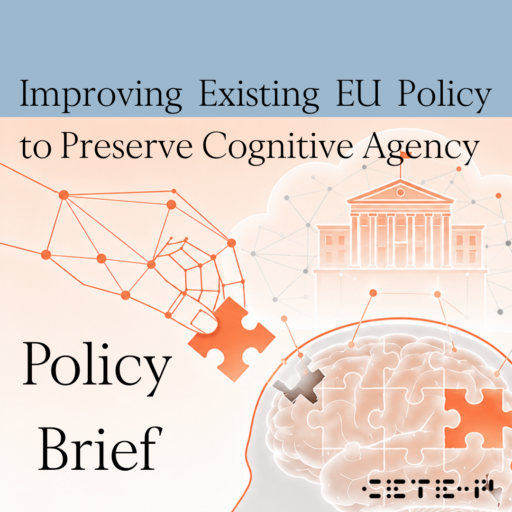
The workshop concluded with a forward-looking discussion among invited speakers, who agreed to carry the outcomes of this exchange into a next phase of collaboration. This will include the development of one or more policy briefs addressing the challenges identified during the workshop, as well as a public launch event planned for autumn 2026 to present these results to a broader audience of policymakers, researchers, and stakeholders.
The event was made possible through the generous financial support of the Friedrich Ebert Stiftung, whose contribution helped facilitate this interdisciplinary exchange.
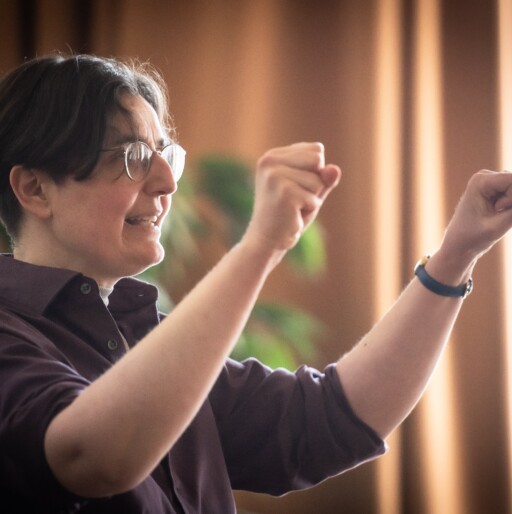
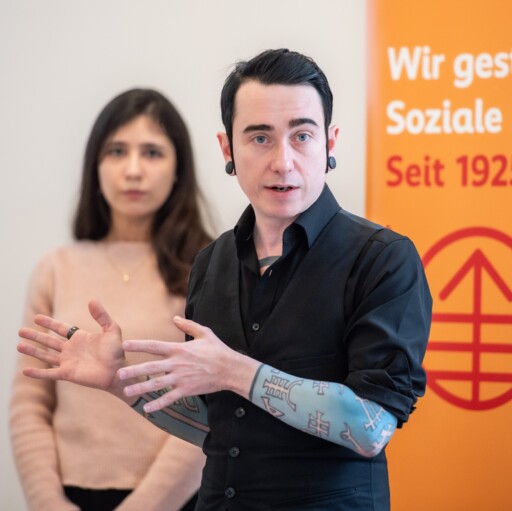
Photos: Anna Šolcová Photography


On 26 March 2026, CETE-P hosted the workshop AI, Social Media, and Democracy: How Do We Make It Work? at the Institute of Philosophy of the Czech Academy of Sciences. The event brought together researchers from philosophy, law, computer science, and social sciences to examine the impact of artificial intelligence and social media platforms on democratic processes and to develop concrete policy-oriented responses.

The workshop was structured around a series of presentations followed by discussion, each aimed at advancing actionable policy proposals. A central concern across the event was the erosion of trusted information environments and the emergence of what is often described as an “information disorder,” including misinformation and disinformation, as well as the role of AI-driven systems in amplifying these dynamics.
The programme opened with a talk by Matúš Mesarčík (KInIT and Comenius University Bratislava), who examined the relationship between AI systems, democratic institutions, and emerging EU digital regulation. This was followed by Jakub Šimko (KInIT), who focused on the potential of algorithmic auditing as a tool for evaluating and governing social media recommender systems.
Subsequent contributions further developed these themes. Tuğba Yoldaş (CETE-P) addressed the features and harms of online manipulation and its implications for EU digital regulation. Andrew McIntyre (Independent Researcher) explored the relationship between AI, social integration, and informational harms. Jacqueline Bellon (University of Tübingen) closed the series of talks with a discussion of critical AI literacy and the development of epistemic competence in increasingly AI-mediated environments.


The workshop also included a presentation by John Dorsch (CETE-P), “Freedom of Thought in Algorithmic Environments: Epistemic Agency and the Next Step for EU Digital Regulation,” which examined how AI-driven information environments shape the conditions under which individuals form and evaluate beliefs, raising questions about the protection of epistemic agency in democratic societies.
Across these contributions, a recurring theme was the tension between engagement-driven platform design and the epistemic requirements of democratic life. Participants emphasized that the problem is not simply a lack of exposure to diverse viewpoints, but the ways in which algorithmic systems structure how information is encountered, interpreted, and evaluated. These dynamics were discussed in relation to broader regulatory efforts within the European Union, including the GDPR, the Digital Services Act, and the AI Act, which aim to address some of these challenges but leave important gaps.
The workshop concluded with a forward-looking discussion among invited speakers, who agreed to carry the outcomes of this exchange into a next phase of collaboration. This will include the development of one or more policy briefs addressing the challenges identified during the workshop, as well as a public launch event planned for autumn 2026 to present these results to a broader audience of policymakers, researchers, and stakeholders.
The event was made possible through the generous financial support of the Friedrich Ebert Stiftung, whose contribution helped facilitate this interdisciplinary exchange.
Photos: Anna Šolcová Photography

•• All News
Celetná 988/38
Prague 1
Czech Republic
This project receives funding from the Horizon EU Framework Programme under Grant Agreement No. 101086898.