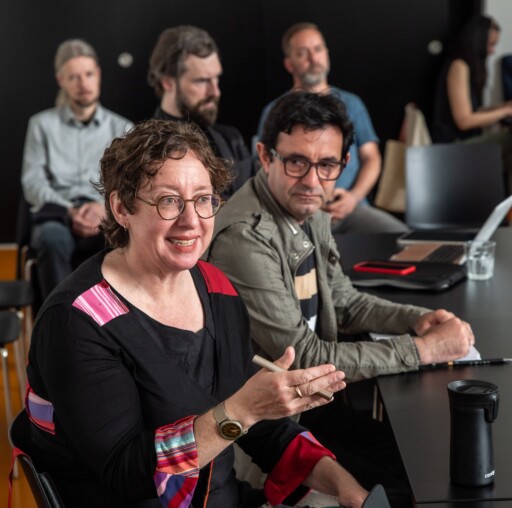
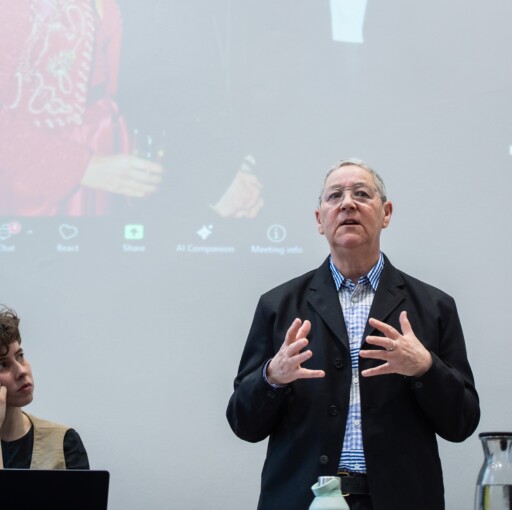
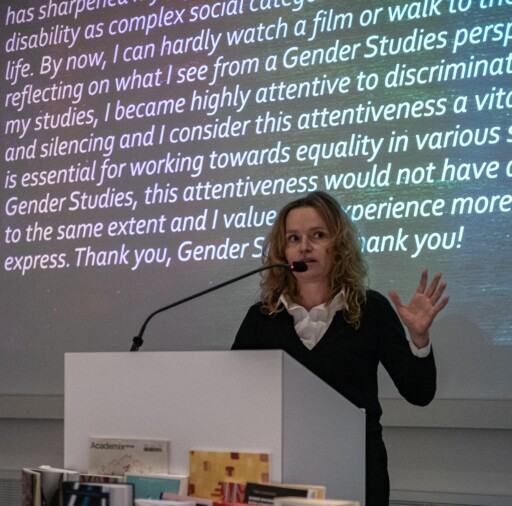
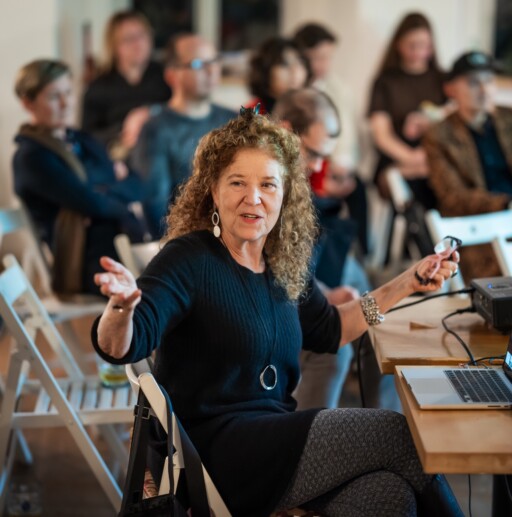
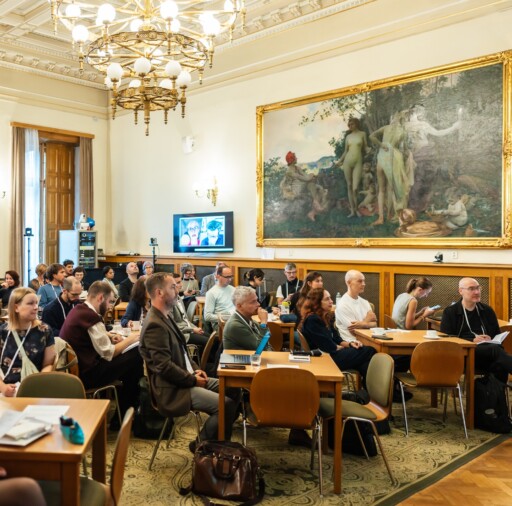
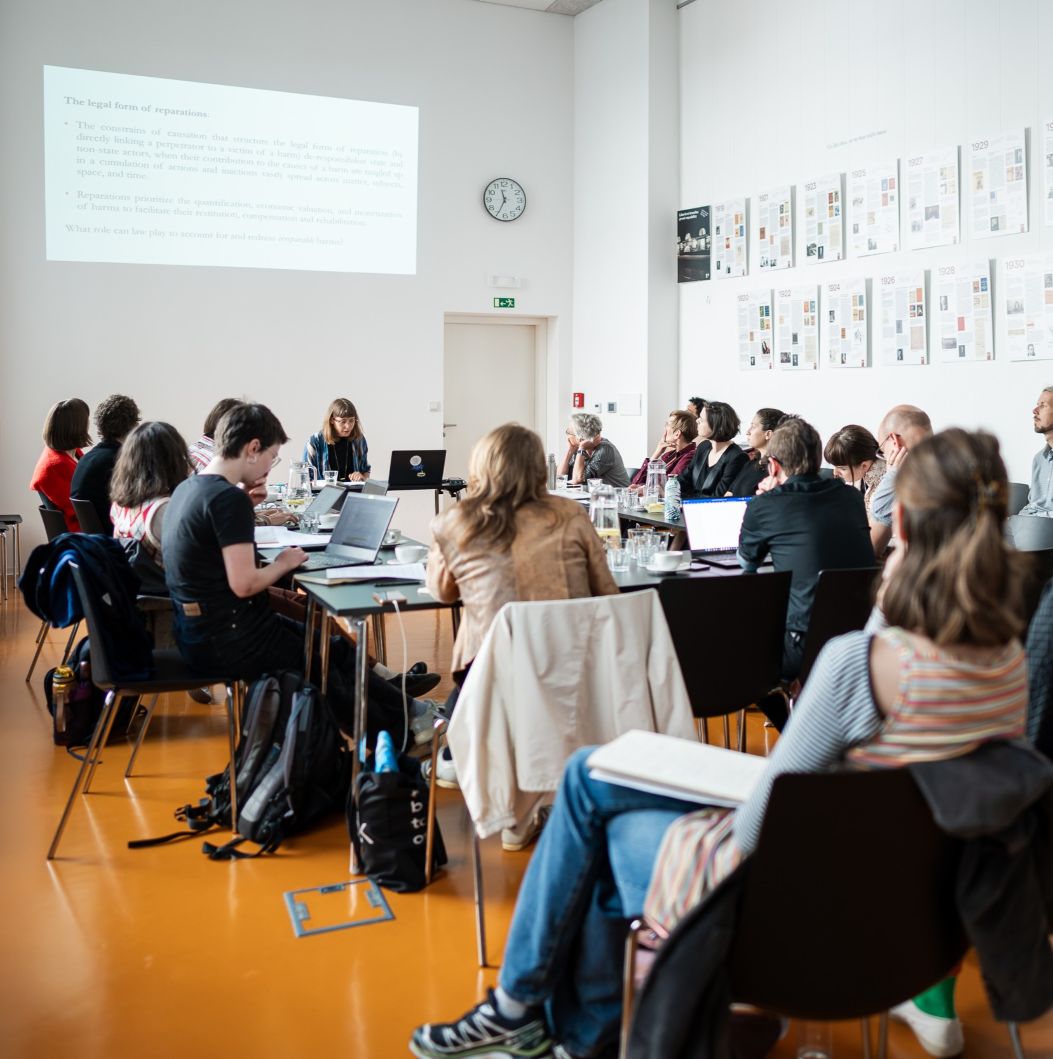
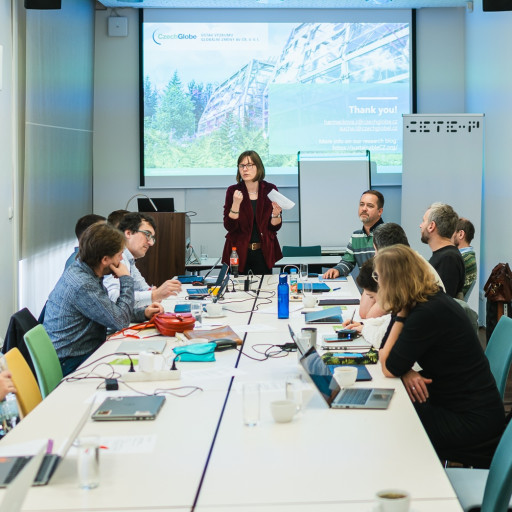
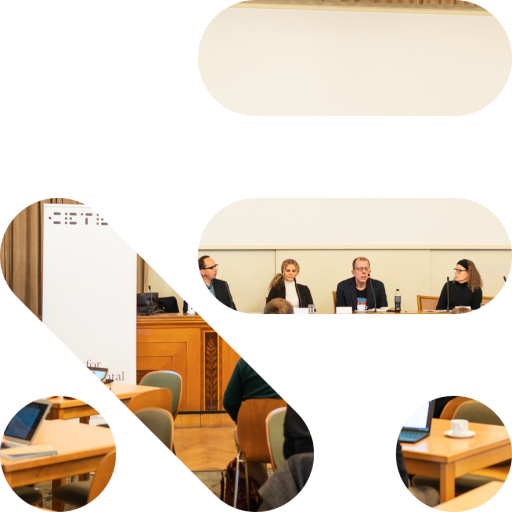
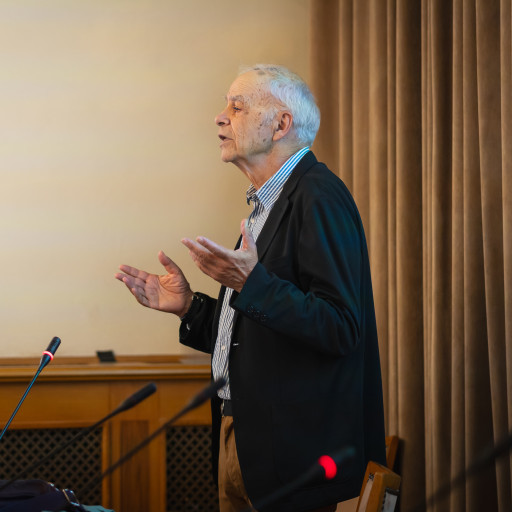
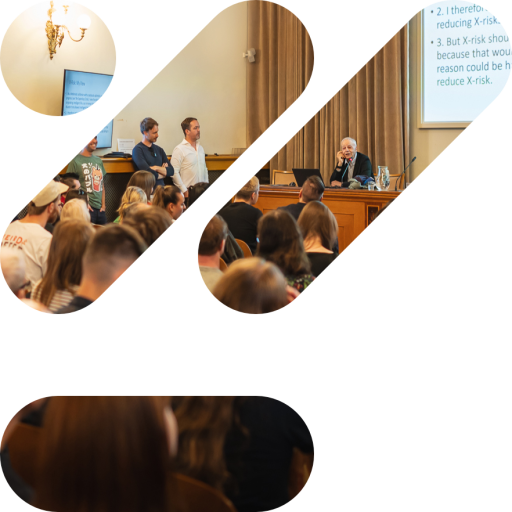
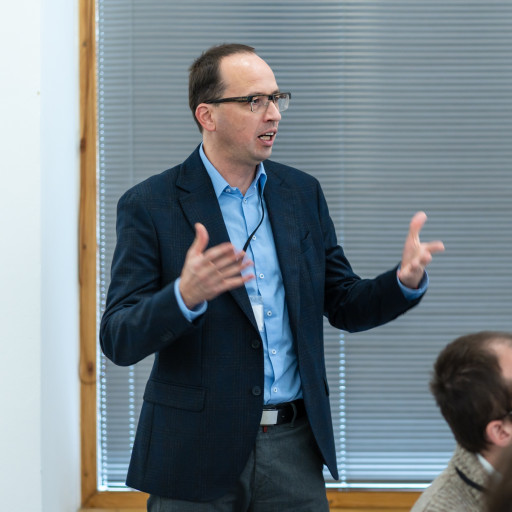
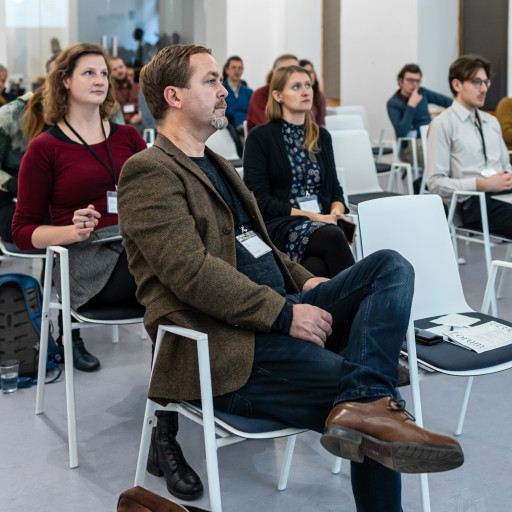
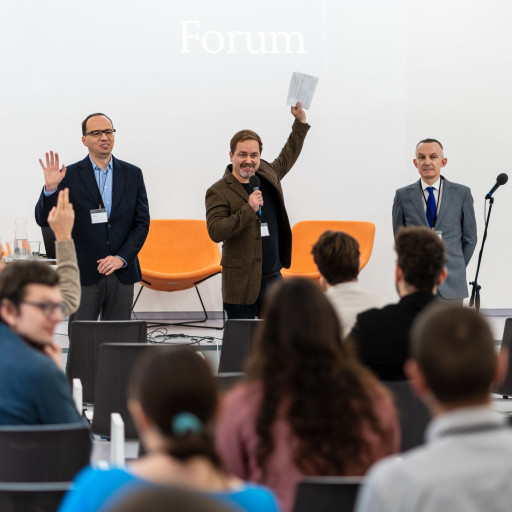
Building on the success of two previous editions in the Czech Republic and Poland, the third Visegrad Environmental Philosophy Summer School (VEPSS), at the Department of Philosophy, Matej Bel University of Banská Bystrica (Slovakia), aims to provide advanced students with exposure to cutting-edge research in environmental philosophy. It offers a unique opportunity to engage in discussions with leading scholars in the field from Europe and globally, gain valuable experience, and establish a new scholarly network.
This year’s overarching topic is “Ecological Transition: Purity, Politics and (Green)Populism”. Climate and ecological crises disproportionately impact those already disadvantaged in our societies and deepen existing structural injustices. While governments fail to respond adequately to the unfolding socioecological collapse, we witness at the same time a growing hostility toward environmental policies. These paradoxical dynamics raise key questions:
How to conceive ecological transition so that it leaves no one behind but rather empowers those vulnerable?
What roles should individuals, states, and international institutions play in shaping and implementing this transition?
How can the process be made participatory and democratic?
And, crucially, what might transform the idea of a just transition into an appealing collective political project? Does this context call for a new green populism?
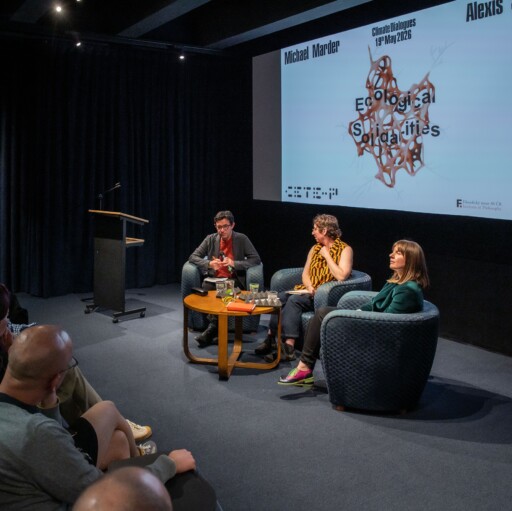
During VEPSS 2026, we will ask these questions and also turn our attention to more fundamental philosophical inquiries about how to understand politics. We will discuss how we can conceptualise freedom and responsibility, while, at the same time, recognising that we, humans, are entangled with the more-than-human worlds, which we can (and do indeed) impact but never fully control. We will examine how politics and polity (the political community) can be extended to include the participation of other-than-human beings and to what extent the concept of ‘purity’ (Alexis Shotwell) plays a role here.
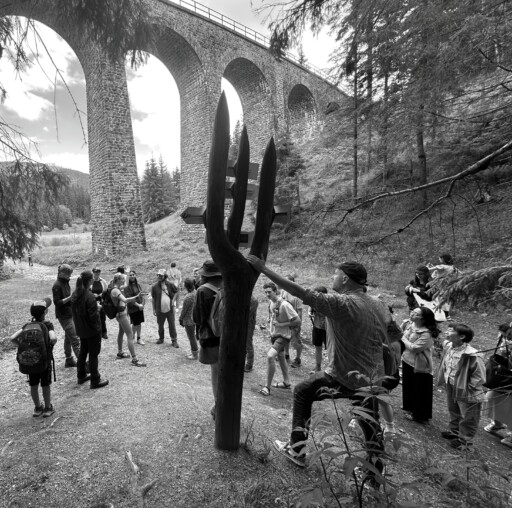
Participation entitles students to receive 3 ECTS. The program comprises a total of 30 hours of lectures, seminars, panels, and workshops (including an online component) as well as 10 hours dedicated to group projects. Apart from the classes and field trips, the program will also feature a variety of social and interactive activities, including a campfire, welcome and farewell events, and opportunities to network with peers and experts. Participants will leave with not only an enriched understanding of environmental philosophy but also meaningful connections and practical insights to inform their academic and professional trajectories. This year's event will take place at the Department of Philosophy, University of Matej Bel in Banská Bystrica, located in central Slovakia, scenically nestled in a valley surrounded by several mountain ranges.
Accommodation:
Participants will stay in a shared accommodation at the Apartments Hotel Zuna (including double rooms, apartments for 2-4 persons (1 bathroom), apartments for 4-6 persons (2 bathrooms), apartments for 6-8 persons (2 bathrooms). Breakfast, lunch and dinner will be provided at the venue.
The summer school is organized by the Department of Philosophy, Matej Bel University in Banská Bystrica (Slovakia) and the Center for Environmental and Technology Ethics - Prague (CETE-P) based at the Institute of Philosophy of the Czech Academy of Sciences, in collaboration with the Institute of Philosophy at the University of Wrocław (Poland), the University of Pardubice (Czechia), University of Wageningen (Netherlands), University of Pécs and University of Szeged (Hungary). It is funded by the Erasmus+ Blended Intensive Programme (BIP).
Please submit your applications via the online form: https://vepss.eu/register by March 23, 2026. Candidates will be notified of their acceptance by March 31, 2026.
If you have any questions, please don’t hesitate to contact us at: info@vepss.eu. More information, including the programme and the lecturers, can be found on our website: https://vepss.eu

Building on the success of two previous editions in the Czech Republic and Poland, the third Visegrad Environmental Philosophy Summer School (VEPSS), at the Department of Philosophy, Matej Bel University of Banská Bystrica (Slovakia), aims to provide advanced students with exposure to cutting-edge research in environmental philosophy. It offers a unique opportunity to engage in discussions with leading scholars in the field from Europe and globally, gain valuable experience, and establish a new scholarly network.

This year’s overarching topic is “Ecological Transition: Purity, Politics and (Green)Populism”. Climate and ecological crises disproportionately impact those already disadvantaged in our societies and deepen existing structural injustices. While governments fail to respond adequately to the unfolding socioecological collapse, we witness at the same time a growing hostility toward environmental policies. These paradoxical dynamics raise key questions:
How to conceive ecological transition so that it leaves no one behind but rather empowers those vulnerable?
What roles should individuals, states, and international institutions play in shaping and implementing this transition?
How can the process be made participatory and democratic?
And, crucially, what might transform the idea of a just transition into an appealing collective political project? Does this context call for a new green populism?
During VEPSS 2026, we will ask these questions and also turn our attention to more fundamental philosophical inquiries about how to understand politics. We will discuss how we can conceptualise freedom and responsibility, while, at the same time, recognising that we, humans, are entangled with the more-than-human worlds, which we can (and do indeed) impact but never fully control. We will examine how politics and polity (the political community) can be extended to include the participation of other-than-human beings and to what extent the concept of ‘purity’ (Alexis Shotwell) plays a role here.
Participation entitles students to receive 3 ECTS. The program comprises a total of 30 hours of lectures, seminars, panels, and workshops (including an online component) as well as 10 hours dedicated to group projects. Apart from the classes and field trips, the program will also feature a variety of social and interactive activities, including a campfire, welcome and farewell events, and opportunities to network with peers and experts. Participants will leave with not only an enriched understanding of environmental philosophy but also meaningful connections and practical insights to inform their academic and professional trajectories. This year's event will take place at the Department of Philosophy, University of Matej Bel in Banská Bystrica, located in central Slovakia, scenically nestled in a valley surrounded by several mountain ranges.
Accommodation:
Participants will stay in a shared accommodation at the Apartments Hotel Zuna (including double rooms, apartments for 2-4 persons (1 bathroom), apartments for 4-6 persons (2 bathrooms), apartments for 6-8 persons (2 bathrooms). Breakfast, lunch and dinner will be provided at the venue.
The summer school is organized by the Department of Philosophy, Matej Bel University in Banská Bystrica (Slovakia) and the Center for Environmental and Technology Ethics - Prague (CETE-P) based at the Institute of Philosophy of the Czech Academy of Sciences, in collaboration with the Institute of Philosophy at the University of Wrocław (Poland), the University of Pardubice (Czechia), University of Wageningen (Netherlands), University of Pécs and University of Szeged (Hungary). It is funded by the Erasmus+ Blended Intensive Programme (BIP).
Please submit your applications via the online form: https://vepss.eu/register by March 23, 2026. Candidates will be notified of their acceptance by March 31, 2026.
If you have any questions, please don’t hesitate to contact us at: info@vepss.eu. More information, including the programme and the lecturers, can be found on our website: https://vepss.eu

•• All News
Celetná 988/38
Prague 1
Czech Republic
This project receives funding from the Horizon EU Framework Programme under Grant Agreement No. 101086898.