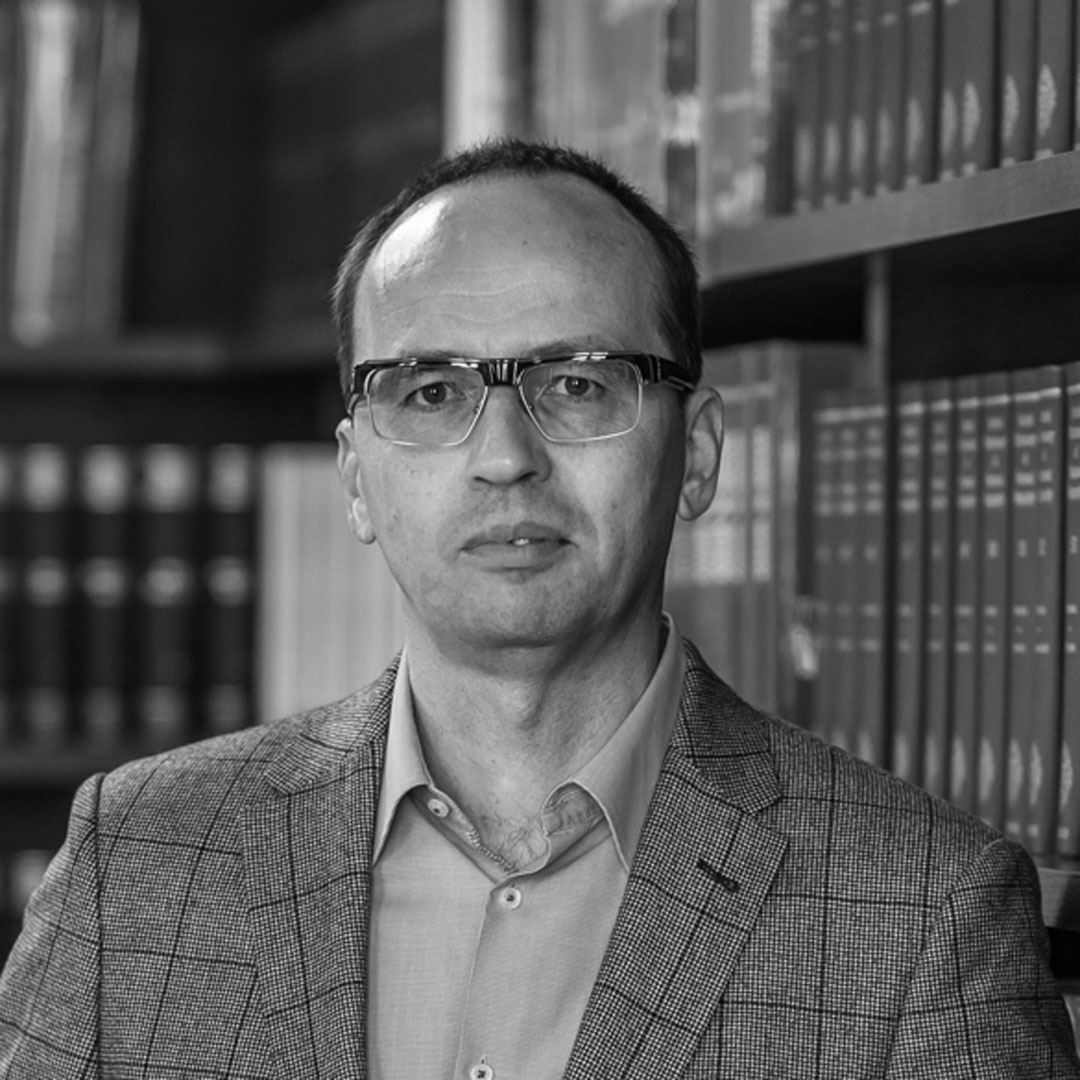
Matilde Leoncelli is a PhD candidate in Applied Ethics at Charles University in Prague. She holds a BA in Philosophy and an MA in Philosophical Sciences from the University of Pavia, Italy, graduating with honours.
Her research focuses on the ethical and philosophical implications of cognitive-technological integration, particularly through the lens of the Extended Mind Thesis. She is interested in the relationship between artificial intelligence, human cognition, personal identity, and moral responsibility, with a broader aim of exploring how emerging technologies challenge and transform our understanding of the human mind and self.
Her academic interests also include philosophy of mind, embodied and enactive cognition, and the intersection between contemporary philosophy and Buddhist thought. She is particularly interested in bridging theoretical philosophical inquiry with applied ethical questions arising from technological developments.
As a Visiting Scholar at CETE-P, her research explores the relationship between the Extended Mind Thesis and phenomenological approaches to embodied cognition, particularly the work of Maurice Merleau-Ponty. Her work investigates how emerging technologies, especially artificial intelligence and cognitive technologies, can become integrated into human cognitive processes and everyday experience, potentially reshaping the boundaries between mind, body, and technological environment. During her stay, she aims to further develop these interdisciplinary perspectives through research activities, academic discussions, and exchanges with the CETE-P community.
•• More people


Celetná 988/38
Prague 1
Czech Republic
CETE-P project receives funding from the Horizon EU Framework Programme under Grant Agreement No. 101086898. Views and opinions expressed are however those of the author(s) only and do not necessarily reflect those of the European Union or European Research Executive Agency (REA). Neither the European Union nor the granting authority can be held responsible for them.